


You've noticed your dog's waistline expanding, those once visible ribs now buried beneath extra padding, and the enthusiastic sprints to the door replaced with a slower, heavier gait. Whilst that extra weight might seem harmless, it can significantly impact your dog's quality of life. The good news? Achieving a healthy weight for your dog is entirely possible through the powerful partnership of proper nutrition and regular exercise. With the right approach, commitment, and support from your veterinarian, you can help your dog return to their healthier, happier self.


Tasty Tips
The Nutrition Foundation: Where Weight Loss Begins
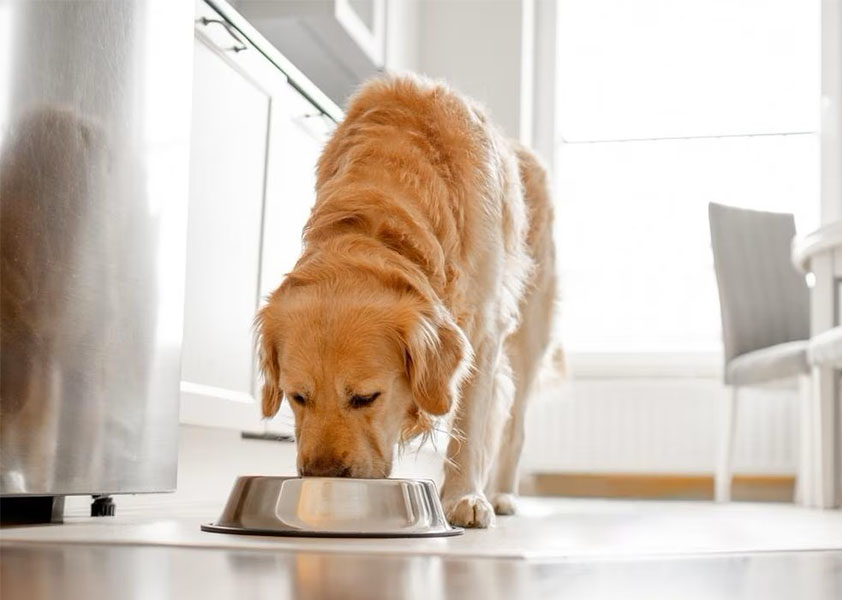
When it comes to weight loss for dogs, nutrition is the foundation. Whilst exercise plays an important supporting role, the majority of weight loss success comes from what goes into your dog's bowl. This isn't about deprivation or leaving your dog feeling hungry. It's about providing the right nutrition in the right amounts to support healthy, sustainable weight loss.
Weight management foods are specifically formulated to help dogs feel full and satisfied whilst reducing overall calorie intake. These foods typically contain higher levels of protein to help maintain lean muscle mass during weight loss, combined with increased fibre to promote satiety - the ‘full’ feeling. The goal is to reduce fat stores whilst preserving the muscle that keeps your dog strong and active.
Portion control is perhaps the most critical element of your dog's weight loss plan. Many pet parents inadvertently overfeed by estimating portions rather than measuring them accurately. Invest in a proper measuring cup and follow feeding guidelines based on your dog's ideal weight, not their current weight. Your veterinarian can help you determine this target weight and calculate appropriate daily portions.
For dogs requiring veterinary supervised weight loss programs, options like Hill's Prescription Diet Metabolic Weight + j/d provide clinically proven nutrition for healthy weight loss. These therapeutic foods are formulated to help metabolise fat and maintain lean muscle, along with an optimal blend of soluble and insoluble fibre to help your dog feel full and satisfied. Hill's Prescription Diet Metabolic + j/d is a veterinary-exclusive dog food that simultaneously targets weight loss and joint health. It is clinically proven to improve mobility in just 21 days while naturally reducing your dog's body weight by up to 13% within 60 to 90 days.
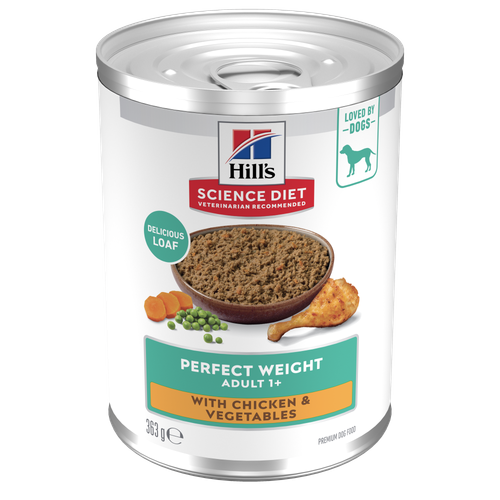
For general weight management and long-term maintenance, foods formulated specifically for weight management can support your dog's journey. In a US study, over 70% of dogs lost weight within 10 weeks when fed the nutrition of Science Diet Perfect Weight. This breakthrough formula is made to positively impact the unique cell function of overweight pets, and support healthy metabolism and body weight.
Consistency is key. Feed your dog at the same times each day, measure portions accurately, and resist the temptation to supplement with table scraps or excessive treats. Remember that treats should account for no more than 10% of your dog's daily calorie intake. If you do offer treats, adjust meal portions accordingly to maintain the overall caloric target. Treats may not always be appropriate for certain weight journeys, speak to your treating Veterinarian to make your pet's specific weight plan.
The approach should be gradual. Healthy weight loss for dogs typically means losing 1-2% of body weight per week. This slow and steady method is safer and more sustainable than rapid weight loss, which can stress your dog's system and lead to muscle loss rather than fat loss.
Exercise: The Essential Partner in Weight Management
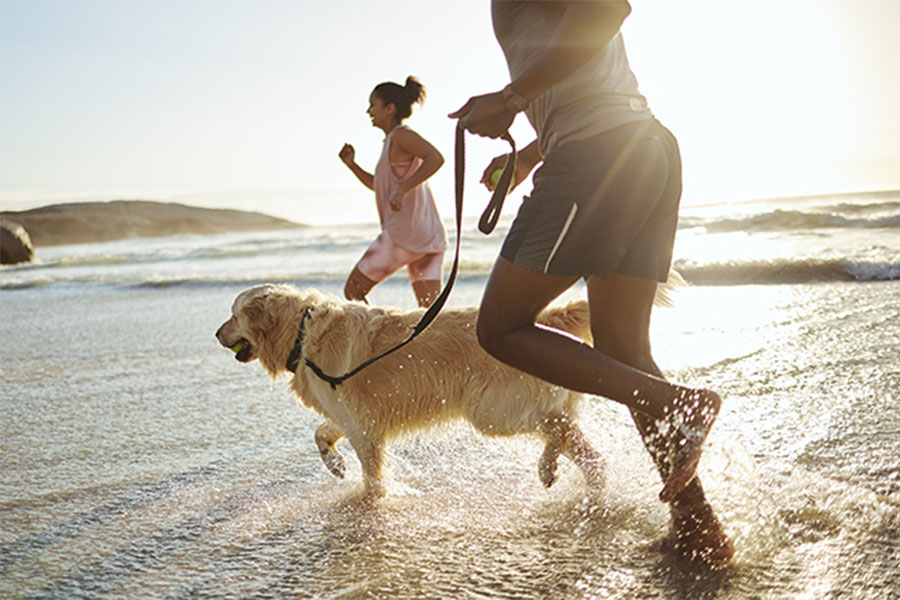
Whilst nutrition drives weight loss, exercise is the essential partner that makes the results sustainable and improves your dog's overall health. Regular physical activity does more than burn calories. It helps maintain lean muscle mass during weight loss, supports joint health, provides mental stimulation, and strengthens the bond between you and your dog.
For overweight dogs, it's important to start slowly and build gradually. Begin with gentle activities like short walks around the neighbourhood. Ten to fifteen minutes once or twice daily is a good starting point for dogs who haven't been regularly active.
As your dog's fitness improves and weight begins to drop, you can gradually increase the duration and frequency of walks. Pay attention to your dog's signals. If they're panting excessively, lagging behind, or showing reluctance to continue, it's time for a rest. The goal is to make exercise enjoyable, not exhausting.
Swimming and hydrotherapy are excellent options for overweight dogs because the water supports their body weight, reducing stress on joints whilst providing resistance for muscle building. Many dogs who struggle with land-based exercise due to joint discomfort find swimming comfortable and enjoyable.
Consider your dog's age, breed, and any existing health conditions when planning exercise. Brachycephalic breeds (those with flat faces like Bulldogs or Pugs) may struggle with intense cardiovascular exercise, whilst breeds prone to joint issues may benefit from lower-impact activities. Your veterinarian can provide guidance on appropriate exercise types and intensity for your specific dog.
Australian weather can present challenges for exercise routines. During hot summer months, schedule walks for early morning or late evening when temperatures are cooler. Always bring water for your dog, and watch for signs of heat stress. On extremely hot days, indoor play sessions or activities in air-conditioned spaces may be safer alternatives.
Make exercise engaging by varying routes, incorporating gentle play, or inviting a friend's dog for companionship. The more enjoyable the activity, the more consistent you'll be, and consistency is what drives results.
FAQs
How much weight should my dog lose per week safely?
Healthy weight loss for dogs typically means losing 1-2% of their body weight per week. This gradual approach is safer and more sustainable than rapid weight loss, which can stress your dog's system and lead to muscle loss rather than fat loss. Your veterinarian can help determine the appropriate weight loss target based on your dog's ideal weight and current condition, then monitor progress through regular monthly weigh-ins to ensure the pace remains safe and effective.
Is nutrition or exercise more important for dog weight loss?
Nutrition is the foundation of dog weight loss, accounting for around 70-80% of weight loss success. Whilst exercise plays an essential supporting role by maintaining lean muscle mass, supporting joint health, and providing mental stimulation, the majority of results come from proper portion control and feeding the right weight management food. The most effective approach combines both elements, with measured portions of appropriate dog food paired with regular, gradually increasing physical activity tailored to your dog's fitness level.
What type of exercise is best for overweight dogs?
For overweight dogs, it's important to start slowly with gentle activities like short walks of 10-15 minutes once or twice daily. As fitness improves, gradually increase duration and frequency. Swimming and hydrotherapy are excellent low-impact options because water supports body weight whilst reducing stress on joints. Consider your dog's breed, age, and any health conditions when planning exercise. Brachycephalic breeds may need lower intensity activities, whilst dogs with joint issues benefit from gentler options. During Australian summer, schedule walks for cooler early morning or late evening hours to prevent heat stress.
How do I accurately measure my dog's food portions for weight loss?
Invest in a proper measuring cup and measure portions based on your dog's ideal weight, not their current weight. Many pet parents inadvertently overfeed by estimating rather than measuring accurately. Feed at the same times each day and remember that treats should account for no more than 10% of daily calorie intake. If offering treats, adjust meal portions accordingly to maintain the overall calorie target. Your veterinarian can calculate appropriate daily portions during your weight loss consultation and help you determine your dog's target weight.
Should I consult a veterinarian before starting my dog on a weight loss plan?
Yes, a veterinary consultation is necessary before starting any dog weight loss plan. Your veterinarian will conduct a thorough health check to rule out underlying medical conditions contributing to weight gain, assess your dog's current body condition, and determine their ideal weight. They'll create an individualised weight loss plan considering your dog's age, breed, activity level, and existing health concerns. Your vet can recommend appropriate food options, calculate portion sizes, provide treat guidance, and schedule regular monthly weigh-ins to monitor progress and adjust the plan as needed for safe, effective results.
What are the health benefits of achieving a healthy weight for my dog?
Dogs at their ideal weight enjoy better mobility, increased energy levels, improved cardiovascular health, and often experience fewer joint issues as they age. They're more likely to engage in play, maintain enthusiasm for walks, and exhibit better overall wellbeing. Weight loss reduces stress on joints, making activities like climbing stairs or jumping into the car easier and less painful. Overweight dogs face increased risks of conditions affecting their heart and respiratory system, whilst healthy weight dogs typically have better stamina, tire less easily during exercise, and can enjoy more active, joy-filled years with their families.
How can I get my family involved in my dog's weight loss journey?
Successful dog weight loss requires commitment from everyone in the household. Sit down as a family to discuss the weight loss plan and why it's important for your dog's health. Designate one person to measure and serve meals for consistency. Establish clear rules about treats and table scraps, and provide alternative ways to show affection like extra belly rubs, favourite toys, or dedicated playtime instead of food treats. Share exercise responsibilities among family members so different people take turns walking the dog. Celebrate milestones together when your dog reaches weight loss targets, and document the transformation with photos to maintain motivation throughout the journey.

Related products

Adult Perfect Weight & Joint Support Chicken & Brown Rice Recipe Dog Food
This weight management and mobility support dog food was created with Hill’s unique understanding of the biology of overweight dogs.

Adult 6+ Large Breed Chicken Meal, Barley & Rice Recipe Dog Food
Supports energy level, joint health, and beautiful coat in large breed mature dogs
Healthy Mobility Large Breed Chicken Meal, Barley & Brown Rice Recipe Dog Food
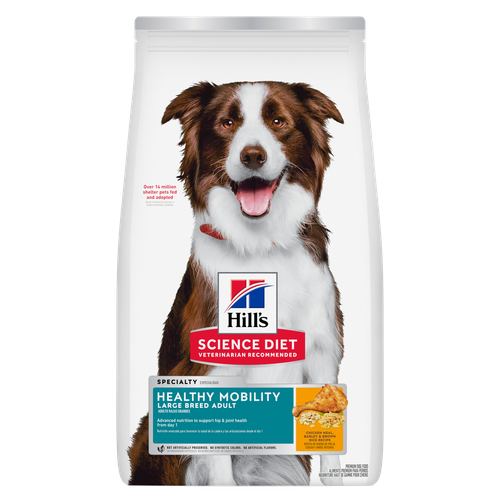
Advanced nutrition shown to support joint health and improve mobility
Perfect Weight Adult Wet Dog Food
Over 70% of dogs lost weight within 10 weeks when fed this nutrition
Related articles
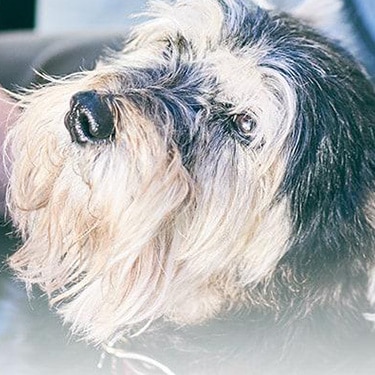
Helpful Tips for Exercising with Your Dog
Though it may seem like your four-legged friend loves nothing more than to nap on the couch, dogs need regular exercise to stay healthy just like people do.

Things You Can Do to Help Your Dog's Sensitive Stomach
A dog with a sensitive stomach has special needs. Learn more about sensitive stomach symptoms in your dog, what you can do to help sooth your pet’s insides and get recommendations on sensitive stomach dog food.
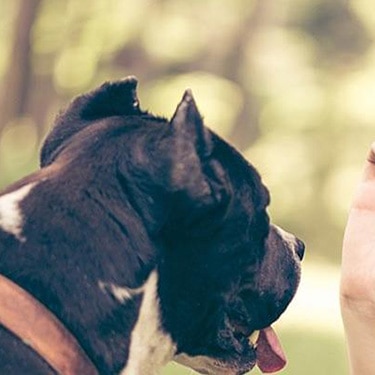
What to Feed Your Pregnant or Nursing Dog
Learn what you can feed your pregnant or nursing dog to keep her and her new pups healthy.
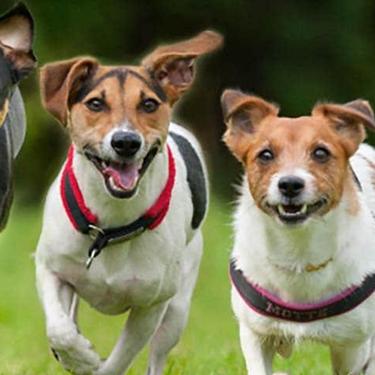
Hill's Puppy Food: Quality Ingredients for Health & Nutrition
Selecting the right food for your puppy is a key to quality nutrition and a long, healthy life., Learn more about how to select the right puppy food.
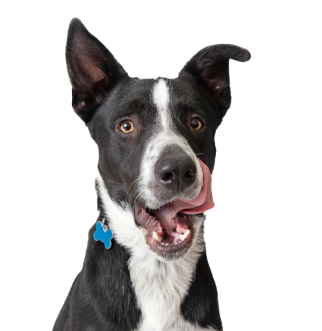
Put your dog on a diet without them knowing
Our low calorie formula helps you control your dog's weight. It's packed with high-quality protein for building lean muscles, and made with purposeful ingredients for a flavorful, nutritious meal. Clinically proven antioxidants, Vitamin C+E, help promote a healthy immune system.
Put your dog on a diet without them knowing
Our low calorie formula helps you control your dog's weight. It's packed with high-quality protein for building lean muscles, and made with purposeful ingredients for a flavorful, nutritious meal. Clinically proven antioxidants, Vitamin C+E, help promote a healthy immune system.