


Upfront costs: bringing your pet home
The first year is almost always the most expensive, and what you pay depends on where your pet comes from and what is included.
Adoption or purchase: RSPCA NSW notes that adopting from a shelter usually folds desexing, vaccination, microchipping and parasite treatment into a single fee, often a few hundred dollars. Buying from a breeder costs more upfront: the 2025 Pets in Australia survey put the average purchase price at $1,419 for a dog and $419 for a cat, with 47 per cent of cats acquired for free.
Desexing, vaccination and microchipping: If these are not already done, budget for them on their own. PetCloud's 2025 price guide puts desexing from about $150 to $400 or more depending on species and size, core vaccinations around $70 to $120, and microchipping roughly $35 to $65.
Council registration: Most councils require dogs and cats to be registered, and many offer reduced fees for pets that are desexed and microchipped. Check your local council's schedule, as fees vary widely by area.
Setting up your home: Bedding, bowls, a lead and harness or a litter tray, a carrier, toys and grooming tools add up. A starter kit can run anywhere from $200 to $500, depending on quality and what you choose. Across adoption or purchase, initial vet work and home setup, the first year typically runs well above the ongoing annual average.

Ongoing costs: what to budget each year
So how much does it cost to own a dog or cat in Australia? Dog owning households spend an average of $2,520 a year, and cat owning households about $1,656 according to the 2025 Animal Medicines Australia survey. Food is the single largest category, followed by veterinary care.
Those averages are a useful baseline, though your real figure will shift with your pet's size, age and health.
Food and nutrition. Animal Medicines Australia reports that food is the biggest category of pet spending nationally, at 46 per cent of the $21.3 billion total. What you pay tracks your pet's species, size, age and any specific needs. Matching food to life stage supports long term health and helps you avoid overfeeding. Wellness ranges such as Hill's Science Diet are formulated for specific life stages and sizes, from puppy and kitten through to senior, which is one way to match nutrition to your pet's needs.
Preventative care. Parasite control covering fleas, ticks and worms, plus an annual health check and dental care, are predictable yearly costs. Tick prevention carries real weight in the many parts of Australia where paralysis ticks are a serious risk.
Everyday extras. Grooming, boarding or a pet sitter when you travel, training classes and replacing worn gear all belong in the yearly budget. RSPCA NSW estimates a minimum of about $930 a year for a dog and $880 for a cat beyond the first year, and real costs often run higher.

How much is pet insurance in Australia?
Pet insurance was a billion dollar category nationally in 2025, Animal Medicines Australia reports. Premiums depend on your pet's species, breed, age and where you live, along with the level of cover you pick. Most policies cost between about $30 and $130 a month. Finder's analysis of 24 insurers found average monthly premiums from $42 with the cheapest provider to $134 with the most expensive, with just over a third of policies priced under $100 a month.
Cover generally comes in three levels: accident only, which is cheapest; accident and illness; and comprehensive, which can add routine care. Older pets and larger or purebred dogs usually cost more to insure.
The monthly premium is only part of the picture. A 2025 Potiki pet insurance guide explains that most policies reimburse a set share of each eligible bill, commonly 70 to 90%, after you pay an excess of around $100 to $300 per condition. The benefit percentage, annual limit and any sub-limits often matter more than the headline price once a large claim arrives.
Two details catch new policyholders out. Waiting periods apply before you can claim, and Sydney emergency vet group Veca notes that many insurers set a longer wait, commonly six months, for cruciate and orthopaedic conditions. Pre-existing conditions are typically excluded, so taking out cover while your pet is young and healthy gives you the widest protection.
A simple way to weigh it up: could you cover a $7,000 vet bill at short notice without disrupting rent, a mortgage or other essentials? If not, insurance or a dedicated fund fills that gap.


Tasty Tips
Planning for unexpected costs
This is where budgets get tested. Petsy makes the blunt point that there is no Medicare for pets, so emergency and specialist treatment is paid out of pocket.
Emergency and chronic care bills climb fast. One of Australia's largest pet health databases, PetSure reports heart disease treatment running from about $2,000 without surgery to more than $20,000 with it, arthritis care costing $600 to $1,600 a year, and over $31 million in cancer claims for dogs and cats in a single year.
Some emergencies are distinctly Australian. PetsOnMe, drawing on PetSure data, reports that tick paralysis treatment in dogs averages about $2,402 and can exceed $10,000 in severe cases, and snake bite treatment, including antivenom, commonly runs into the thousands.
These figures explain why 12% of pet owners needed financial help for veterinary care, and why 14% of dog owners and 18% of cat owners delayed or skipped care to manage costs, Animal Medicines Australia found. Planning ahead keeps you out of that position.
Managing a long-term health condition is all about giving your pet the best quality of life, and specialised nutrition plays an important role in that. If your vet diagnoses a chronic condition, they may recommend a therapeutic pet food as a key part of their management plan. Foods such as Hill’s Prescription Diet are formulated based on nutritional science and are available through veterinary recommendation These foods provide specific nutrient profiles to support pets with health conditions. Discussing nutritional options with your veterinarian can help determine the appropriate management strategy for your pet.
A dedicated pet emergency fund, insurance, or a combination of both gives you options when a bill lands. As a rough guide, a fund that could absorb a $3,000 to $5,000 bill covers most common emergencies, with larger or chronic cases sitting above that. Setting aside even a small amount each month builds a cushion over time.
How to create a realistic pet budget
Start with an annual estimate, then plan for what you cannot predict.
Estimate your yearly total: Use the Animal Medicines Australia averages as a starting point: about $2,520 a year for a dog and $1,656 for a cat. Adjust for your pet's size, age and lifestyle. An active large breed dog, or a pet with health needs, will cost more than a quiet indoor cat.
Separate setup from ongoing: List one off setup and first year vet work in one column, and recurring monthly and yearly costs in another. This reveals the true first year figure, which is always the highest.
Add a contingency buffer: Set funds aside for emergencies, take out insurance, or do both. A practical target is being able to cover a few thousand dollars at short notice.
Smart ways to save without cutting care
Preventative care costs less than reactive care: Regular check-ups, dental care, parasite prevention and the right nutrition help catch problems early. Our guide to dental disease in dogs explains why routine dental care is worth the effort.
Control portions and store food properly: Feeding the correct amount cuts waste and helps prevent weight gain, which carries health costs of its own.
Buy durable essentials once: Quality basics that last beat cheap gear you replace every few months.
Talk to your vet about your pet's specific needs before you make calls on nutrition, preventative care or insurance. They can give advice suited to your pet's age, breed and health, which is the most reliable way to plan well and spend well. A clear budget set early means fewer hard choices later, and more of the good years you took the pet home for.
FAQs
Cat-owning households in Australia spend an average of $1,656 per year, based on 2025 Animal Medicines Australia data. Food is the largest single expense, followed by veterinary care. RSPCA NSW estimates a minimum of about $880 per year for a cat beyond the first year, with real costs often running higher depending on the cat's health, age, and lifestyle.
The first year is almost always the most expensive. Adopting from a shelter typically bundles desexing, vaccination, microchipping, and parasite treatment into a single fee. Buying from a breeder averages $1,419 for a dog and $419 for a cat, with additional vet costs on top. If those services are not included, budget separately: desexing costs $150–$400+, core vaccinations $70–$120, and microchipping $35–$65. Council registration and home setup items such as bedding, bowls, a lead, carrier, and toys can add a further $200–$500.
Pet insurance premiums in Australia typically range from $30 to $130 per month, depending on your pet's species, breed, age, location, and the level of cover selected. Finder's analysis of 24 insurers found average monthly premiums ranging from $42 with the cheapest provider to $134 with the most expensive, with just over a third of policies priced under $100 per month. Cover comes in three main tiers: accident only, accident and illness, and comprehensive, which may include routine care. Most policies reimburse 70–90% of eligible bills after an excess of around $100–$300 per condition.
Emergency and specialist vet costs can escalate quickly in Australia. PetSure data shows heart disease treatment can range from $2,000 to more than $20,000, arthritis management costs $600–$1,600 per year, and tick paralysis treatment in dogs averages about $2,402, sometimes exceeding $10,000 in severe cases. Snake bite treatment, including antivenom, commonly runs into the thousands. As a practical guide, having access to $3,000–$5,000 covers most common emergencies. A dedicated pet emergency fund, pet insurance, or a combination of both is the most effective way to plan for these costs.
In most cases, yes. RSPCA NSW notes that shelter adoption typically includes desexing, vaccination, microchipping, and parasite treatment in one combined fee of a few hundred dollars. By comparison, the 2025 Pets in Australia survey found the average purchase price from a breeder is $1,419 for a dog and $419 for a cat, with additional first-year vet costs on top. It is also worth noting that 47% of cats in Australia are acquired for free.
Preventative care is the most cost-effective strategy over time. Regular vet check-ups, dental care, parasite prevention, and feeding a life-stage appropriate diet — such as Hill's Science Diet, formulated for puppies, adults, and seniors — helps catch health issues early before they become more expensive to treat. Controlling portion sizes reduces food waste and prevents weight gain, which carries its own health costs. Buying durable, quality essentials upfront also tends to be more economical than replacing cheap gear repeatedly. Always consult your vet before making decisions about nutrition, preventative care, or insurance for your specific pet.
According to the 2025 Animal Medicines Australia survey, nearly three in four Australian households own at least one pet, with 31.6 million pets kept nationally. Australians spent $21.3 billion on their pets in the most recent year recorded — a 35% increase over three years — making Australia one of the highest pet-owning countries in the world. Food accounts for 46% of total pet spending nationally.

Related products

Adult Perfect Weight & Joint Support Chicken & Brown Rice Recipe Dog Food
This weight management and mobility support dog food was created with Hill’s unique understanding of the biology of overweight dogs.
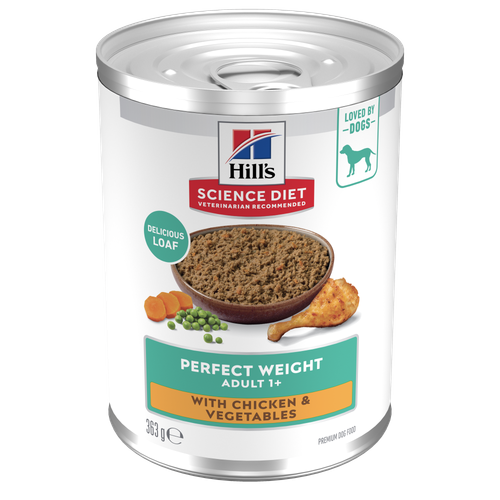
Perfect Weight Adult Wet Dog Food
Over 70% of dogs lost weight within 10 weeks when fed this nutrition

Adult 6+ Large Breed Chicken Meal, Barley & Rice Recipe Dog Food
Supports energy level, joint health, and beautiful coat in large breed mature dogs
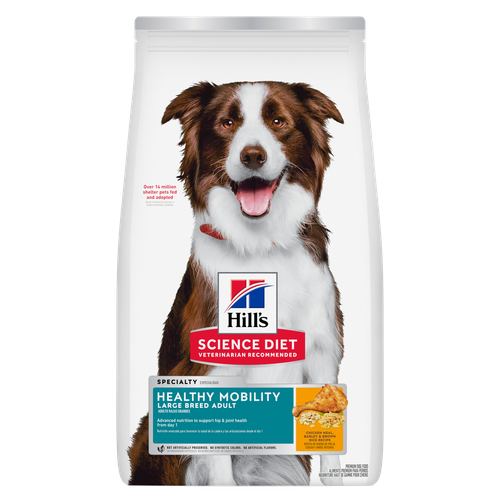
Healthy Mobility Large Breed Chicken Meal, Barley & Brown Rice Recipe Dog Food
Advanced nutrition shown to support joint health and improve mobility
Related articles

Can Dogs and Cats Eat Butter?
Learn all about whether butter is safe for your dog or cat and what to do if they eat it.

Creating a Pet Preparedness Plan for Emergencies
Not feeling well enough to care for your furry friend? Creating a pet preparedness plan ensures that your pet gets the care, attention and love they need.

Creating a Safe Space for Your New Pet
Learn how to set up the perfect safe haven for your new dog or cat. Expert tips on location, essentials, and helping your pet adjust to their new Australian home.

How to Understand Your Cat's and Dog's Hierarchy of Needs
Pet Hierarchy of Needs: nutrition, safety, enrichment & play. Learn expert pet care tips to help your cat or dog thrive at every age.

Put your pet on a diet without them knowing
Our low calorie formula helps you control your pet's weight. It's packed with high-quality protein for building lean muscles, and made with purposeful ingredients for a flavorful, nutritious meal. Clinically proven antioxidants, Vitamin C+E, help promote a healthy immune system.
Put your pet on a diet without them knowing
Our low calorie formula helps you control your pet's weight. It's packed with high-quality protein for building lean muscles, and made with purposeful ingredients for a flavorful, nutritious meal. Clinically proven antioxidants, Vitamin C+E, help promote a healthy immune system.