


Welcoming a new cat or dog into your home is an exciting and rewarding experience, and one that comes with a bit of preparation.
Whether you’re adopting a young puppy or kitten, or opening your home to an adult pet in need of a second chance, having the essentials ready makes all the difference.
Our adoption day checklist includes everything you need to ensure your new pet’s transition is a smooth, safe, and happy one, from essential supplies to food, and settling in supports.
Choosing to Adopt or Foster a Pet
Adopting or fostering a pet is such a meaningful step. Giving a cat or dog a second chance at a happy home offers them safety and security while bringing joy and companionship to your life too.
Benefits of adoption or fostering an animal
Adopting a pet from a shelter or rescue organisation can help reduce overcrowding and support animals in need. Many adopted pets are already house-trained and possess basic obedience skills, making the adjustment period a little easier.
Fostering a pet is also a wonderful way to help animals, especially if you're not yet ready to commit to a long-term pet in your home.
Understanding the commitment of adding a new pet to your family
Pets are part of the family, and that means they need time, care, and attention. Dogs typically need more space and outdoor activity, while cats may require more independence and vertical space indoors to feel happy and safe.
Understanding your household’s needs, lifestyle, and schedule will help determine the right fit when choosing to adopt or foster.

Preparing Your Home for Your New Pet
Before bringing your new furry friend home, it's important to create a safe, pet-friendly space where they can settle in and feel secure.
Pet-proofing your home
To make your home safe and comfortable for your new cat or dog, consider whether you need to:
Secure cords, blinds, and small objects that could be chewed or swallowed
Store cleaning products and medications safely out of reach
Keep plants that may be toxic to pets, such as lilies or philodendrons, in inaccessible areas.
Set up designated spaces for your pet
Create dedicated zones for:
Eating and drinking
Sleeping or resting
Play, activity and stimulation
Going to the toilet (litter tray for cats, or outdoor access for dogs)
Cats often appreciate quiet hideaway spots, while dogs may benefit from a crate or safe den-like space to retreat to.
Create dedicated zones for:
Eating and drinking
Sleeping or resting
Play, activity and stimulation
Going to the toilet (litter tray for cats, or outdoor access for dogs)
Cats often appreciate quiet hideaway spots, while dogs may benefit from a crate or safe den-like space to retreat to.
Essential Supplies for Your New Cat or Dog
Having the right tools on hand will help your new pet feel right at home.
Here’s what you’ll need:
Supplies for Cats:
Litter tray and litter
Scratching post or cat tree with areas for scratching
Food and water bowls
Toys for mental stimulation
Comfortable bed or soft blanket
Carrier for transport
Grooming tools (brush)
Supplies for Dogs:
Collar, leash, and ID tag
Comfortable bed or crate
Food and water bowls
Toys for play and chewing
Waste bags and clean-up supplies
Grooming tools (brush, shampoo)
Whether you're bringing home a playful puppy or a curious kitten, make sure your home is stocked with the basics before they arrive.
Choosing the right food for your pet
Nutrition plays a vital role in helping your pet thrive from day one. Choosing the right food supports their digestive health, energy levels, and immune system. Hill’s Pet Nutrition offers a range of carefully formulated foods designed to meet the unique needs of dogs and cats at every stage of life.
For new pet parents, the Hill’s Science Diet range is a great starting point, with options for:
Puppies and kittens: Supporting healthy growth and development
Adult pets: Specially formulated to fuel the energy needs of dogs during the prime of their life
Specialty range such as weight management or sensitive stomachs: Tailored formulas to support specific needs
And more
Always transition your pet’s food gradually over 7-10 days to help avoid digestive upset, and consult your vet if you're unsure which option is right.


Tasty Tips
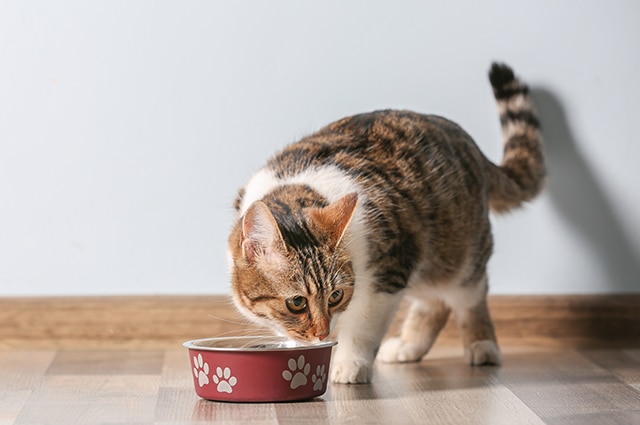
Don’t forget the extras: Tips for choosing toys and accessories
Play is a vital part of bonding, enrichment, and exercise.
For Dogs:
Look for durable chew toys, squeaky balls, or puzzle feeders that keep them mentally stimulated.
For Cats:
Interactive toys like feather wands, tunnels, or treat-dispensing puzzles can provide entertainment and satisfy their natural instincts.
When choosing accessories, consider your pet’s size, breed, and age to ensure a good fit, whether it’s a harness for a puppy or a perch for a high-climbing kitten.

Other Important First Steps for Your New Furry Family Member
Book a vet check-up: Schedule a health check within the first week. Bring along any medical records from the adoption centre.
Microchipping and registration: Ensure your pet is microchipped and registered with your local council or animal registry.
Create a routine: Feeding, play, toilet breaks, and rest should happen at consistent times each day to help your pet adjust.
Training and socialisation: Early training, especially for puppies, sets the foundation for a well-behaved and confident pet.
Final Thoughts: Welcoming Your New Best Friend
Adopting a pet is the beginning of a beautiful journey, one filled with love, learning, and joy. With the right preparation, tools, and care, you’ll be giving your new cat or dog the best possible start in their forever home.
And remember: If you’re ever unsure, your vet or local pet care professionals are always there to help guide you.

Related products

Adult Perfect Weight & Joint Support Chicken & Brown Rice Recipe Dog Food
This weight management and mobility support dog food was created with Hill’s unique understanding of the biology of overweight dogs.
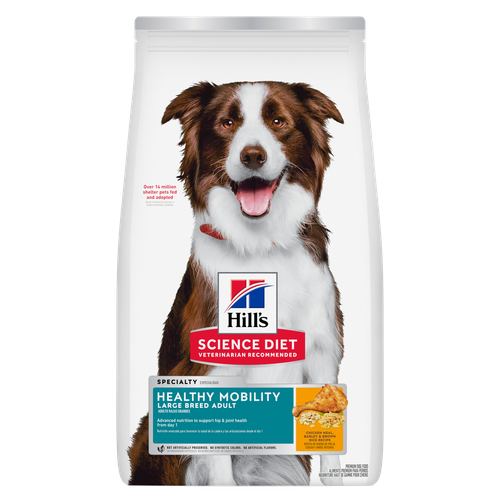
Healthy Mobility Large Breed Chicken Meal, Barley & Brown Rice Recipe Dog Food
Advanced nutrition shown to support joint health and improve mobility

Adult 6+ Large Breed Chicken Meal, Barley & Rice Recipe Dog Food
Supports energy level, joint health, and beautiful coat in large breed mature dogs
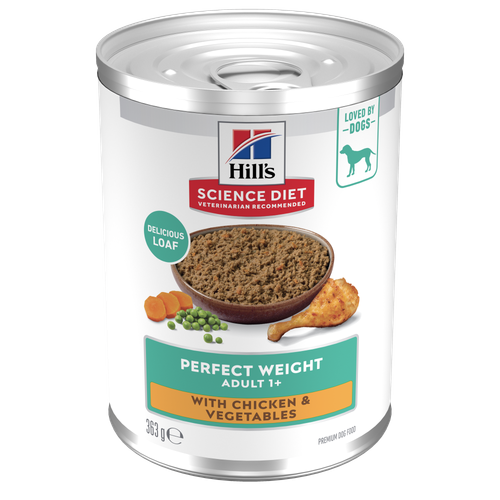
Perfect Weight Adult Wet Dog Food
Over 70% of dogs lost weight within 10 weeks when fed this nutrition
Related articles

Managing Pet Separation Anxiety When Returning to Work & School
When it's time to return to school or work full-time, learn helpful tips to avoid pet separation anxiety & help your dog or cat feel safe when you're gone.

Dogs & Cat Toothpaste, Toothbrushes & Brushing Tips
Learn what to look for in dog & cat toothpaste, including ingredients to avoid, as well as how to choose the right toothbrush and tips for brushing.

Antioxidants: Fueling your pet's fight against free radicals
Learn more about free radicals and how antioxidants help provide some protection against free radicals and how Hills pet foods makes a difference.

Creating a Pet Preparedness Plan for Emergencies
Not feeling well enough to care for your furry friend? Creating a pet preparedness plan ensures that your pet gets the care, attention and love they need.
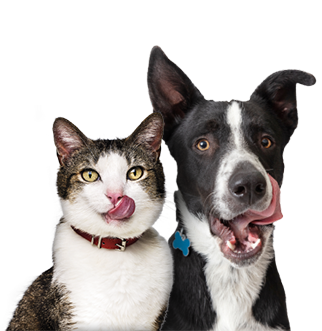
Put your pet on a diet without them knowing
Our low calorie formula helps you control your pet's weight. It's packed with high-quality protein for building lean muscles, and made with purposeful ingredients for a flavorful, nutritious meal. Clinically proven antioxidants, Vitamin C+E, help promote a healthy immune system.
Put your pet on a diet without them knowing
Our low calorie formula helps you control your pet's weight. It's packed with high-quality protein for building lean muscles, and made with purposeful ingredients for a flavorful, nutritious meal. Clinically proven antioxidants, Vitamin C+E, help promote a healthy immune system.