


Understanding the Pet Hierarchy of Needs
Does Maslow's hierarchy of needs apply to animals? Maslow's hierarchy was written for people, not animals, so it does not map onto pets exactly. Researchers have adapted it into frameworks such as the 2023 Dogs' Hierarchy of Needs, which sorts a pet's physical, emotional and social needs into levels, with basic survival needs supporting everything above them.
The model keeps Maslow's central insight: lower needs come first. A dog that is hungry, in pain or frightened has little capacity to learn, play or bond. The research team reviewed the literature, identified 37 separate dog needs, then sorted them into seven groups across five levels.
The pet hierarchy of needs, from the foundation up:
- Physiological: food, water, rest and a healthy body
- Safety: health care and a secure, predictable environment
- Love and belonging: social bonds and companionship
- Esteem: confidence built through positive experiences and training
- Self-actualisation: enrichment, play and natural behaviours
Each level rests on the one below it, so the sections that follow work from the base of the pyramid upward.
Australian welfare thinking follows similar logic. RSPCA Australia adopted the Five Freedoms in 1993, and now applies the broader Five Domains model, which covers nutrition, environment, health, behaviour and the animal's resulting mental state.
What are the 7 basic needs of a dog? A dog's basic needs fall into seven groups: balanced nutrition, fresh water, safe shelter and rest, health care, safety and security, social companionship, and mental and physical stimulation. The 2023 Dogs' Hierarchy of Needs grouped 37 specific needs into these seven categories.
Physiological Essentials: Nutrition, Hydration and Rest
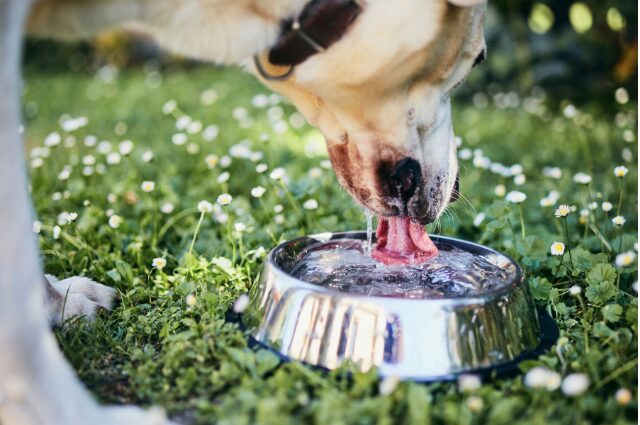
The base of the pyramid is physical: complete and balanced food suited to life stage, fresh water at all times, and quality rest.
Nutrition for the life stage
Pets need different nutrient profiles as they grow and age. The Five Domains nutrition criterion describes this as an adequate, balanced diet with access to clean water. Puppies and kittens need food for growth, adults need maintenance, and seniors often need adjusted levels of certain nutrients. Hill's Science Diet is formulated by life stage for healthy pets; the Adult 7+ food is formulated to support specific ageing needs, including balanced minerals to a healthy heart, bladder and kidneys.
Water, routine and a healthy weight
Regular meal times and measured portions help digestion and make changes in appetite easier to spot. Extra kilograms strain joints and organs, so portion control and a steady routine support long term health.
Rest and species appropriate spaces
Pets sleep far more than people, and puppies and senior pets more again. A quiet, comfortable resting place lets that sleep support growth, recovery and mood. Cats value private, raised spots to retreat to, and a clean litter tray supports comfort and toileting habits.
Safety and Security: Health Care and a Predictable Environment
The second level is protection from harm: preventive veterinary care, a hazard free home, and routines that keep a pet feeling secure.
Preventive care and identification
Routine checks, vaccinations and parasite control catch problems early. In Australia, microchipping is a legal requirement for all cats and dogs, though timing varies by state and territory. Most require microchipping by 12 weeks of age, and some require it before a pet is sold. Register your pet's microchip with the relevant state or territory registry to ensure they can be reunited with you if lost.
A safe home and calm handling
A safe environment means securing hazards: toxic foods and plants, loose cords, gaps in fencing and unsafe car travel. Calm handling and secure transport reduce fear and injury. Setting up a home so that pets and the people around them stay safe is a core part of responsible pet ownership.
Routine and stress reduction
Animals find security in predictability, so consistent feeding, walking and rest times lower daily stress. When change is unavoidable, such as a house move, introducing it gradually helps. Signs of ongoing anxiety, such as pacing, hiding or a drop in appetite, are worth raising with your vet.


Tasty Tips
Love, Belonging and Esteem: Social Bonds and Positive Experiences
The third and fourth levels are social and emotional. Dogs and cats are individuals, so this means reading each pet rather than applying a single rule. Trust grows through consistent, gentle interactions, and early positive exposure to people, places and other animals helps a young pet grow confident, always at its own pace.
Esteem in this framework means a pet's confidence and sense of security. Rewarding the behaviour you want works better, and is kinder, than punishing what you do not. Positive reinforcement builds confidence and good manners, and strengthens the bond between pet and owner; Hill's Pet sets out a starting point in its five tips for training a puppy. Some pets seek constant company while others prefer independence, and recognising those boundaries is part of good care.
Self-Actualisation: Enrichment, Play and Purposeful Activities
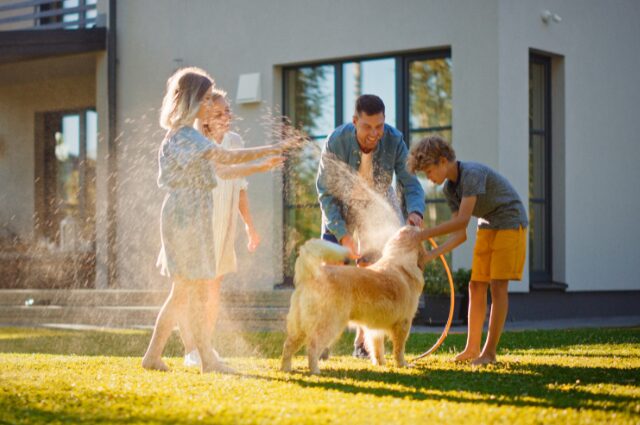
At the top of the pyramid sits enrichment: the activity that lets a pet express natural behaviours. Puzzle feeders, scent games and foraging give pets a job to do, and feeding part of a meal through a puzzle toy turns eating into an activity within a measured feeding plan. Match exercise to the individual, since a young working breed needs far more than a senior or a flat faced breed that overheats easily, and remember cats need movement too through climbing towers and play. Chances to explore and solve simple problems prevent boredom, a common driver of unwanted behaviour.
When to Talk to Your Vet
Health decisions are best made with professional input. A veterinarian can assess your pet's body condition, life stage and medical needs, then recommend a care plan suited to the individual. For a pet with a diagnosed health condition, a vet may recommend therapeutic nutrition such as Hill's Prescription Diet, which is formulated for specific health needs and should only be fed on veterinary advice. Resources such as Hill's guide to finding the right vet for your dog are a good place to start.
The hierarchy is a lens, not a checklist. Work from the base up, adjust for the animal in front of you, and lean on your vet for the health calls. Meet the foundations well and the higher levels, the play, the bond, the contentment, tend to follow.
Frequently asked questions
Frequently asked questions

Related products

Adult 6+ Large Breed Chicken Meal, Barley & Rice Recipe Dog Food
Supports energy level, joint health, and beautiful coat in large breed mature dogs
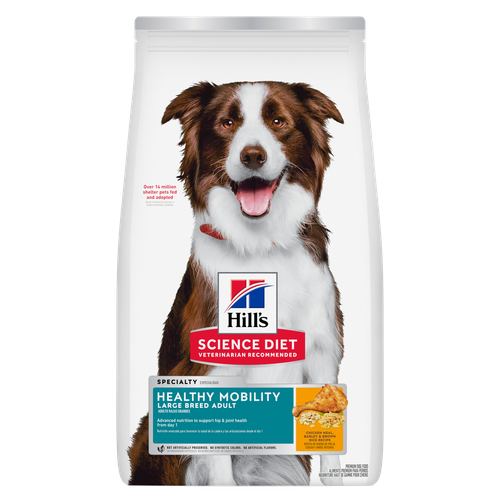
Healthy Mobility Large Breed Chicken Meal, Barley & Brown Rice Recipe Dog Food
Advanced nutrition shown to support joint health and improve mobility

Adult Perfect Weight & Joint Support Chicken & Brown Rice Recipe Dog Food
This weight management and mobility support dog food was created with Hill’s unique understanding of the biology of overweight dogs.
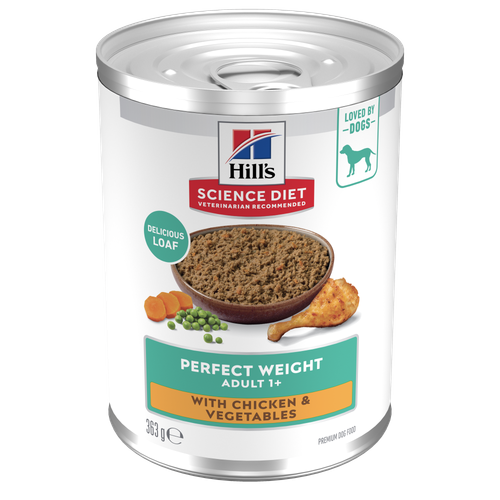
Perfect Weight Adult Wet Dog Food
Over 70% of dogs lost weight within 10 weeks when fed this nutrition
Related articles
Can Dogs and Cats Eat Butter?
Learn all about whether butter is safe for your dog or cat and what to do if they eat it.
How Much Does It Cost to Own a Pet in Australia?
From upfront costs to vet bills and pet insurance, discover what it really costs to own a dog or cat in Australia. Plan your pet budget with Hill's.

Creating a Safe Space for Your New Pet
Learn how to set up the perfect safe haven for your new dog or cat. Expert tips on location, essentials, and helping your pet adjust to their new Australian home.

Creating a Pet Preparedness Plan for Emergencies
Not feeling well enough to care for your furry friend? Creating a pet preparedness plan ensures that your pet gets the care, attention and love they need.
Put your pet on a diet without them knowing
Our low calorie formula helps you control your pet's weight. It's packed with high-quality protein for building lean muscles, and made with purposeful ingredients for a flavorful, nutritious meal. Clinically proven antioxidants, Vitamin C+E, help promote a healthy immune system.
Put your pet on a diet without them knowing
Our low calorie formula helps you control your pet's weight. It's packed with high-quality protein for building lean muscles, and made with purposeful ingredients for a flavorful, nutritious meal. Clinically proven antioxidants, Vitamin C+E, help promote a healthy immune system.