


Our homes are sanctuaries where we relax, unwind and spend quality time with our beloved pets. Yet hidden amongst the everyday items we use and the plants that brighten our spaces are potential dangers that many pet parents don't realise exist. From the chocolate stash in the kitchen cupboard to the beautiful lilies received on Valentine's Day, common household items and plants can pose serious health risks to curious cats and dogs if we’re not careful.
In Australia, pet poisoning incidents often spike during certain times of year - particularly summer when we're gardening and spending more time outdoors, the Christmas period with its festive plants and treats, and on special occasions when toxic flowers are given as gifts. Yet, many of these incidents are preventable with awareness and simple precautions.
Both dogs and cats are curious animals; they like to sniff, scratch, paw, nibble and explore their surroundings, and they don’t always know what's safe to eat or play with. Here’s how you can identify the household items, flowers and plants that could harm your pets.
Take steps to recognise the warning signs of accidental poisoning, along with practical ways that you can actively create a safer home environment. Knowledge really is your best tool in protecting your pets from accidental harm from everyday items in your home.
Common Household Items That Harm Pets
Human Foods
While many common pantry items and snacks are safe for human consumption, several foods can be toxic or even deadly to dogs and cats. From chocolate and grapes to xylitol and macadamia nuts it’s important to keep these out of the way of prying pets to ensure your kitchen remains a safe space for your furry family members.
Household Products
Many everyday items found in our homes can harm our cats and dogs if we’re not careful. It’s important to keep all products in closed cupboards or containers and out of reach of curious and playful pets:
Common cleaning products: bleach and disinfectants are harmful when ingested or inhaled by pets and humans alike, and they may cause gastrointestinal and respiratory issues.
Essential oils and diffusers: Many pet parents don't realise that products they generally consider ‘safe’, such as essential oils and diffusers, can actually be harmful. Felines lack certain liver enzymes that are needed to process these compounds if wrongly ingested, which makes cats in particular susceptible to issues if swallowed.
Human medications: paracetamol, ibuprofen and other pain relievers, as well as prescription medications, including antidepressants and ADHD medications, are particularly dangerous if a pet gets into a dropped pill or open bottle - even in very small doses, these can cause harm.
Insect baits, snail pellets and rodenticides: these items are designed to be attractive to pests, which means they're equally appealing to prying pets. These products can cause internal bleeding, seizures and organ failure.
Other Common Items
Batteries: particularly the small button batteries, can cause chemical burns and blockages if swallowed.
Liquid potpourri: can cause severe burns to the mouth, skin and eyes.
Mothballs: contain chemicals that can damage red blood cells and cause liver damage.
Fabric softener sheets: can cause irritation and blockages if chewed or ingested.
Tea tree oil: whilst popular in Australian households for its antimicrobial properties, is harmful to both dogs and cats and can cause weakness, tremors and liver damage when ingested or absorbed through the skin.
Toxic Plants & Flowers for Pets: Indoor & Outdoor
Both plants and flowers are a great way to brighten your home and improve air quality. While many are perfectly safe for our pets, others are not.
Seasonal Gift Flowers and Plants
Christmas and Holiday Season
The festive season brings beautiful plants into our homes, but many popular gift plants pose serious risks to pets - whether you are giving or receiving this holiday period, it’s important to know what’s safe and what’s not for your dog or cat.
Poinsettias: an iconic Christmas plant which may feature vibrant red, white, or pink leaves. If the sap is ingested it can irritate pets, typically causing mild gastrointestinal upset.
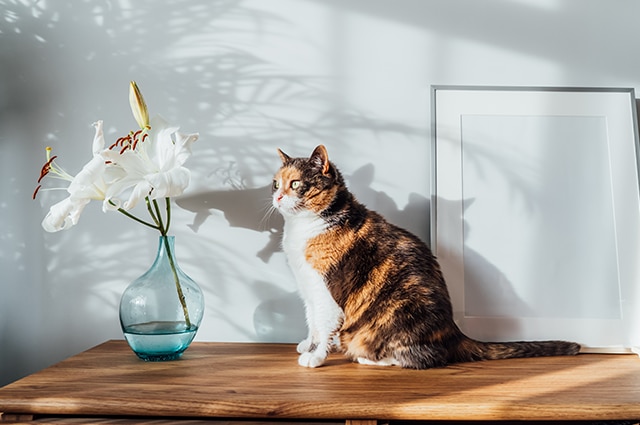
Lilies: the elegant white trumpet-shaped blooms and sweet fragrance make this a popular gift yet they are particularly dangerous for cats potentially causing severe symptoms or organ failure - Just licking pollen from their fur or drinking water from a vase containing lilies can be fatal without immediate treatment.
Mistletoe: this parasitic plant with distinctive white berries and oval green leaves is a traditional holiday decoration yet ingestion can cause sudden gastrointestinal distress, abnormal heart rate, breathing difficulty.
Valentines Day
Giving floral arrangements on this day may seem romantic but several popular flowers typically associated with this date can present hidden dangers to our beloved pets:
Roses: a classic choice, with their vibrant colours and distinctive fragrance - roses are generally less toxic to pets than other flowers, but it's the thorns that can cause painful injuries to curious pets. Any pesticides on commercially grown roses can also be toxic if ingested during grooming or play.
Lilies: these dramatic blooms, even with minimal exposure can be harmful, especially for cats and can cause kidney failure in felines within days without immediate treatment.
Other Occasions
Daffodils: these cheerful blooms contain toxic alkaloids throughout the entire plant, with the bulb being most dangerous and are harmful to both cats and dogs.
Tulips: contain allergenic compounds called tulipalin A and B, primarily in the bulbs. If pets chew on these plants, they can experience intense oral irritation, excessive drooling, and digestive upset.
Common Garden Plants
Gardening is a favoured pastime in Australia, with our unique climate supporting diverse plant species. Yet Australian gardens often feature plants that can harm pets. Here's what to watch for:
Sago palm: prehistoric-looking plant with stiff, feathery fronds is particularly deceptive - whilst it's not a true palm, it's highly toxic, with even one or two seeds capable of causing severe liver failure and potentially death.
Cycads: These ancient, palm-like plants with woody trunks and stiff, crown-like foliage are common in subtropical Australian gardens yet contain toxins in all parts of the plant.
Oleander: a drought-resistant evergreen shrub with attractive pink, white, or red flowers is popular in warmer Australian climates yet is extremely poisonous and can cause heart problems.
Azaleas and rhododendrons: these flowering shrubs with vibrant blooms contain grayanotoxins in their leaves, flowers and nectar that affect the cardiovascular and central nervous systems.
Brunfelsia: known as "yesterday, today and tomorrow" for its colour-changing flowers (purple to lavender to white) can cause tremors and seizures.
Lantana: is drought tolerance with colorful clustered flowers, produces green berries that ripen to black and contain pentacyclic triterpenoids that are toxic to pets
Daphne: a small shrub with intensely fragrant flowers and contains toxins that cause severe digestive and neurological symptoms.
Popular Indoor Plants
Modern interior design often features lush indoor plants which create a connection to nature inside our homes. Many trendy indoor houseplants are problematic for pet households:
Pothos (Devil's Ivy): this hardy trailing plant with heart-shaped leaves is known for its air-purifying qualities, yet it contains calcium oxalate crystals that cause intense mouth pain, drooling and difficulty swallowing.
Philodendron: with tropical-looking, glossy foliage, this low-maintenance plant is a staple in many homes. Like pothos, it contains calcium oxalate crystals that cause immediate oral pain, inflammation, and digestive upset if ingested by pets.
Peace lilies: these are a popular shade-tolerant plant. Despite the name, they aren't true lilies but still contain pet irritating compounds.
Snake plants (mother-in-law's tongue): an architectural plant with stiff, upright leaves and containing saponins, which can cause nausea, vomiting and diarrhoea.
Aloe vera: Despite its renowned healing properties for humans, this succulent with fleshy, spiky leaves contains anthraquinone glycosides that are toxic to cats and dogs when ingested.
The severity of plant poisoning in our pets does vary dramatically. Some plants cause mild stomach upset, whilst others can be fatal within hours. Lilies, sago palms and oleander are among the most dangerous, requiring immediate emergency veterinary care.


Tasty Tips
Native Australian Plants
Not all Australian native plants are safe for pets. Some Acacia species can cause digestive upset. Certain Eucalyptus varieties contain oils that are toxic when ingested in large quantities, though most pets avoid them due to their strong scent. Some Grevillea species can cause vomiting and diarrhoea. It's worth noting that whilst many natives are perfectly safe, individual plant research is recommended when landscaping pet-friendly gardens.
Recognising Signs of Poisoning
Early recognition of poisoning symptoms can be lifesaving and it’s important for all pet parents to understand the signs:
Gastrointestinal signs: these are most common and include vomiting, diarrhoea, excessive drooling and loss of appetite. These symptoms can appear within minutes or take several hours to develop.
Neurological symptoms: are particularly concerning and may include tremors, seizures, weakness, disorientation, difficulty walking and collapse. These signs indicate serious toxicity requiring immediate emergency care.
Other warning signs: these may include difficulty breathing, rapid heart rate, lethargy, pale gums, blood in urine or stool, and increased or decreased urination. Cats and dogs may react differently to the same toxin - cats are generally more sensitive to many substances due to their unique liver metabolism.
If you suspect poisoning, time is critical. Contact your veterinarian or emergency animal hospital immediately. If possible, bring the packaging, product label or a sample of the plant with you as this information helps veterinarians provide targeted treatment. Never induce vomiting unless specifically instructed by a veterinary professional, as some substances cause more damage.
Pet-Proofing Your Home & Garden
How to Keep Dogs and Cats Away from Unsure Household Items and Toxic Plants
Prevention is the most effective approach: Store all medications, cleaning products and chemicals in high cabinets or locked storage - remember that determined dogs can open cupboards, so childproof locks may be necessary.
Train to ‘leave’ it: Training your dog to respond to a firm 'leave it' command creates a crucial safety barrier between curious canines and potentially harmful items and plants. Consistent practice paired with positive rewards like treats or praise whenever they successfully ignore forbidden items will reinforce this protective behaviour.
Choose pet-safe plants when landscaping or adding greenery to your home: Before purchasing plants, or gifting flowers to loved ones, make sure to research their toxicity or consult with your local nursery about pet-friendly options. When receiving gift flowers, keep them in rooms your pets cannot access, or better yet, ask loved ones to choose pet-safe alternatives.
Be mindful of seasonal risks: During summer gardening, ensure fertilisers, mulches and pest control products are stored securely and pets are kept away from treated areas until products have dried or been absorbed. When walking your pet in new areas, maintain close supervision and prevent them from investigating or chewing unfamiliar plants.
Dispose of medications properly: Return them to pharmacies that offer take-back programmes. Never flush medications down the toilet, and don't throw them in accessible rubbish bins.
Create designated pet-safe zones: In both your home and your garden with non-toxic plants where your pets can explore freely. Consider installing barriers around garden beds containing plants you're unsure about.
Pet-Safe Alternatives
Fortunately, many beautiful plants, safer cleaning products and decorative options are safe for pets:
Pet friendly indoor pets: Create a lush interior with spider plants, Boston ferns, and African violets - all excellent choices that won't harm your pets even if they take an exploratory nibble.
Kitchen Herbs: Culinary favourites like basil, rosemary, thyme and mint are generally safe and can be grown indoors or out.
Garden Blooms: pet-friendly flowering plant options such as sunflowers, zinnias, petunias, and snapdragons all offer vibrant colors without the toxic risks.
Holiday decorating: When celebrating seasonal occasions, opt for artificial plants and flowers rather than real ones, or carefully research any fresh greenery before bringing it home.
Home Cleaning Products: many natural alternatives like diluted vinegar solutions and pet-safe commercial cleaners reduce toxic exposure.
Quick Reference Resources
Keep the contact information for your regular veterinarian, the nearest 24-hour emergency animal hospital, and the Animal Poisons Helpline (1300 869 738) easily accessible. The RSPCA and Australian Veterinary Association websites offer comprehensive lists of toxic plants and substances, which can be valuable reference tools when pet-proofing your home.
Creating a Safe Haven for Your Pets
Protecting your pets from household toxins doesn't require transforming your entire home - it simply requires awareness and thoughtful prevention. Regular safety audits of your living spaces, particularly before seasonal changes and holidays, help identify potential hazards before they become problems.
Even the most careful pet parents can face emergencies, so knowing the warning signs and having an action plan provides peace of mind. By creating a safer environment, you're not just preventing potential accidents, you're ensuring more time to enjoy the special bond you share with your pets.
Supporting your pet's overall health through proper nutrition strengthens their resilience. Hill's Science Diet provides clinically proven antioxidants and balanced nutrition that support your pet's immune system and overall wellbeing, giving them the best foundation for a healthy, happy life in the safe home you've created for them.

Related products

Adult Perfect Weight & Joint Support Chicken & Brown Rice Recipe Dog Food
This weight management and mobility support dog food was created with Hill’s unique understanding of the biology of overweight dogs.
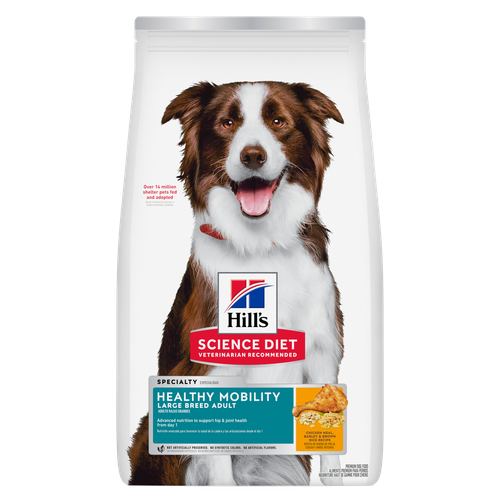
Healthy Mobility Large Breed Chicken Meal, Barley & Brown Rice Recipe Dog Food
Advanced nutrition shown to support joint health and improve mobility

Adult 6+ Large Breed Chicken Meal, Barley & Rice Recipe Dog Food
Supports energy level, joint health, and beautiful coat in large breed mature dogs
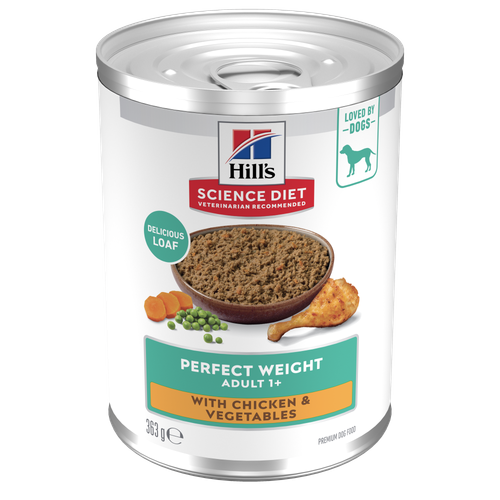
Perfect Weight Adult Wet Dog Food
Over 70% of dogs lost weight within 10 weeks when fed this nutrition
Related articles
Can Dogs and Cats Eat Butter?
Learn all about whether butter is safe for your dog or cat and what to do if they eat it.

How to Understand Your Cat's and Dog's Hierarchy of Needs
Pet Hierarchy of Needs: nutrition, safety, enrichment & play. Learn expert pet care tips to help your cat or dog thrive at every age.
Creating a Safe Space for Your New Pet
Learn how to set up the perfect safe haven for your new dog or cat. Expert tips on location, essentials, and helping your pet adjust to their new Australian home.
How Much Does It Cost to Own a Pet in Australia?
From upfront costs to vet bills and pet insurance, discover what it really costs to own a dog or cat in Australia. Plan your pet budget with Hill's.
Put your pet on a diet without them knowing
Our low calorie formula helps you control your pet's weight. It's packed with high-quality protein for building lean muscles, and made with purposeful ingredients for a flavorful, nutritious meal. Clinically proven antioxidants, Vitamin C+E, help promote a healthy immune system.
Put your pet on a diet without them knowing
Our low calorie formula helps you control your pet's weight. It's packed with high-quality protein for building lean muscles, and made with purposeful ingredients for a flavorful, nutritious meal. Clinically proven antioxidants, Vitamin C+E, help promote a healthy immune system.