


Bringing home a new pet is an exciting milestone filled with tail wags, curious sniffs, and the beginning of a beautiful companionship. Whether you're welcoming a bouncy puppy or a cautious rescue cat, one of the most thoughtful things you can do is create a dedicated safe space where your new family member can retreat, relax, and truly feel at home.
A safe haven isn't just a luxury, it's a psychological necessity for pets adjusting to new surroundings. This designated area becomes their personal sanctuary, a place where they control their environment and can decompress from the excitement and occasional overwhelm of settling into a new household. Setting up this space correctly from day one helps your pet build confidence, reduces anxiety related behaviours, and establishes a foundation for a lifetime of security and trust.
Let's explore how to create the perfect retreat for your new companion.
Understanding Why Your Pet Needs a Safe Space
Before diving into the practical setup, it's worth understanding the 'why' behind this important step. Pets, particularly during their first weeks in a new home, experience significant stress as they navigate unfamiliar sounds, smells, routines, and faces. A designated safe space addresses these challenges by providing predictability and control.
The Psychological Foundation
Dogs are descended from den-dwelling animals and retain an instinctive preference for enclosed, secure spaces where they can rest without watching their backs. Cats, being both predators and prey in the wild, need areas where they can observe their surroundings from a position of safety whilst having an escape route if needed.
When you create a safe space, you're speaking directly to these ancient instincts. You're saying, 'This corner belongs to you. You're protected here.' That simple reassurance can dramatically reduce the stress hormones coursing through your new pet's system during those critical first days and weeks.
Observable Benefits
The benefits of a well designed safe space manifest quickly and clearly:
Reduced anxiety behaviours: Excessive barking, destructive chewing, inappropriate toileting, and compulsive hiding often diminish when pets have a retreat option. You'll notice your pet becoming calmer overall when they know they have somewhere to go when feeling overwhelmed.
Faster adaptation to new environments: Pets with safe spaces typically adjust to their new homes more quickly, showing increased confidence in exploring and interacting with family members.
Better sleep quality: Quality rest is crucial for your pet's physical and emotional wellbeing. A dedicated sleeping area promotes deeper, more restorative sleep cycles.
Improved confidence in multi-pet households: When introducing a new pet to existing animals, having separate safe spaces prevents territorial conflicts and gives each pet the autonomy they need.
Choosing the Perfect Location
Location is everything when establishing your pet's safe haven. The right spot balances accessibility with privacy, providing your pet with security whilst keeping them connected to household activity.
Key Location Criteria
Start by identifying areas in your home that meet these essential requirements:
Away from high-traffic areas but not completely isolated: Avoid placing the safe space near front doors, busy hallways, or frequently used staircases. Pets need quiet, but complete isolation can increase anxiety. A corner of a living room or a spare bedroom often works well.
Quiet zones with minimal noise disruption: Keep the space away from washing machines, televisions, and home entertainment systems. During thunderstorms or fireworks season, this becomes particularly important for noise-sensitive pets.
Temperature controlled areas: In Australian climates, temperature regulation matters. Avoid areas that receive direct afternoon sun or become stuffy in summer. Similarly, draughty spots near windows or doors should be ruled out for winter comfort.
Species-Specific Considerations
For dogs: Ground level spaces work best, preferably where they can still see their family. Many dogs find comfort in being near (but not in the middle of) family activity. A crate or bed positioned in a living room corner, partially shielded by furniture, often becomes a favoured spot. Larger breeds may prefer more open floor space, whilst smaller dogs often gravitate towards more enclosed options.
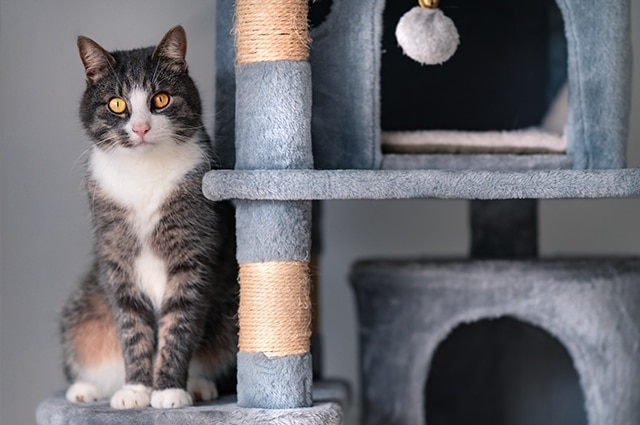
For cats: Vertical options appeal to feline instincts. Consider elevated perches, cat trees, or even cleared shelving where your cat can observe the household from above. Keep the safe space well away from litter boxes as cats prefer their eating, sleeping, and toileting areas distinctly separated. Window access can be wonderful for enrichment, provided the area doesn't become too warm.
Setting Up the Essentials
Once you've identified the perfect location, it's time to furnish your pet's safe haven with the right elements. Quality matters here so choose items that will stand up to daily use whilst providing genuine comfort.
Bedding and Comfort Items
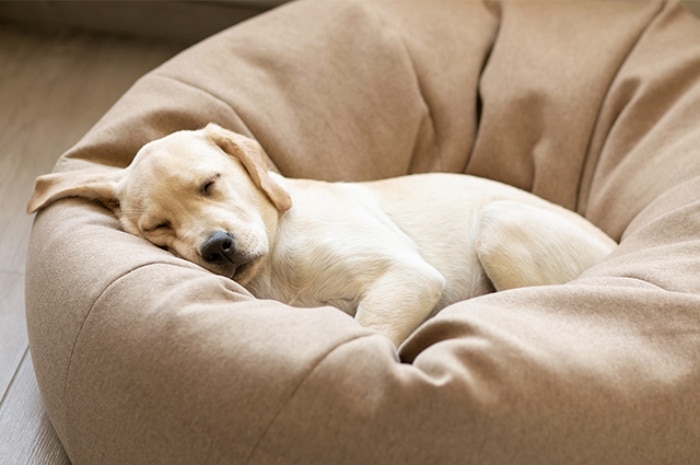
The foundation of any good safe space is comfortable bedding appropriate to your pet's size and sleeping preferences. Dogs might prefer a plush bed, a crate with soft padding, or even a simple blanket they can arrange themselves. Cats often appreciate beds with raised edges that allow them to curl up securely, or hammock-style beds that attach to furniture.
Choose washable materials where possible as accidents happen during adjustment periods, and regular cleaning maintains hygiene and freshness. For older pets or larger breeds, orthopaedic beds provide joint support and improved sleep quality.
If you're adopting from a shelter or breeder, ask if they can provide a blanket or toy carrying familiar scents from the pet's previous environment. These transitional objects provide enormous comfort during the first nights in a new home.
Food and Water Placement
Water should always be accessible within or very near the safe space. Fresh, clean water helps your pet stay hydrated, particularly if they're nervous and reluctant to venture far initially.
Food bowl placement requires more thought. Whilst some experts recommend feeding pets in their safe space to build positive associations, others suggest keeping food separate to maintain the space as purely restful. For most new pets, starting with meals in the safe space works well, then gradually transitioning to feeding areas once they've settled. For cats, always keep food away from litter boxes.
Select appropriate bowl types for your pet's breed and size. Flat-faced breeds benefit from raised feeders, whilst cats often prefer wide, shallow dishes that don't touch their whiskers.
Toys and Enrichment
Include a small selection of toys in the safe space, but don't overcrowd the area. A mix works best with one or two calming toys (like a soft stuffed animal or gentle chew) alongside something mildly stimulating (such as a puzzle toy or catnip mouse for cats).
Rotate toys regularly to maintain interest without overwhelming your pet. Too many options can actually increase stress rather than reduce it. For dogs, safe chew items help relieve anxiety and provide an appropriate outlet for natural chewing instincts. For cats, interactive toys that mimic prey behaviour encourage natural hunting instincts whilst building confidence.
Climate Comfort
Australian temperatures demand attention to climate control. During warm months, cooling mats or elevated beds that allow air circulation can prevent overheating. Place water bowls where they stay cool throughout the day.
In winter, provide warm bedding options. Fleece blankets or heated pads (on low settings) for pets that feel the cold. Ensure adequate air circulation year-round, but avoid positioning beds directly in line with air conditioning vents or heaters.
Pet-Proofing Your Chosen Area
Before declaring the safe space ready for occupancy, conduct a thorough safety check. New pets explore with their mouths, paws, and incredible determination to access seemingly impossible places.
Safety Hazards to Eliminate
Get down to your pet's eye level and scan for these common dangers:
Electrical cords and outlets: Cover outlets with safety plugs and secure or hide electrical cords. Chewing on wires poses serious electrocution risks.
Toxic plants: Many common houseplants are poisonous to pets. If your safe space includes or is near indoor plants, verify they're pet-safe. Some Australian native plants can also be harmful if accessible through windows or doors.
Small objects: Remove coins, buttons, rubber bands, hair ties, and anything else that could be swallowed. These items cause intestinal blockages requiring emergency veterinary care.
Unstable furniture: Secure bookcases, side tables, and any furniture that could topple if a curious pet climbs or leans against it.
Creating Boundaries
Depending on your home layout, you may need physical boundaries to define the safe space. Baby gates work wonderfully for dogs, creating a visible barrier whilst allowing them to see and hear family activity. Cats, being the acrobats they are, may require closed doors or cat-friendly barriers if you need to restrict access to certain areas.
Visual markers help too. Pets learn to recognise their designated areas through consistent placement of bedding and belongings. Over time, most pets naturally gravitate towards their safe space without needing physical containment.
Escape Prevention
Inspect windows and screens carefully. Australian weather often means open windows for ventilation, but nervous new pets can push through damaged screens or slip through surprisingly small gaps. Reinforce or replace any questionable screens.
Check for holes in walls, gaps under doors, or spaces behind furniture where a frightened pet might wedge themselves. Blocking these prevents stressful extraction efforts and potential injuries.


Tasty Tips
Introducing Your Pet to Their Safe Space
The physical setup is complete, but introducing your pet to this new territory requires patience and positive reinforcement. Rushing this step undermines all the careful preparation you've done.
First Introduction
Allow your pet to discover the space on their own terms. Bring them near the area and let curiosity guide them. Some pets will immediately investigate, sniffing every corner and testing the bedding. Others approach more cautiously, taking several minutes or even hours before venturing close.
Resist the urge to place them in space or guide them forcefully. Coercion creates negative associations that defeat the entire purpose. Instead, sit quietly nearby with some treats, rewarding any movement towards the safe space with calm praise and small food rewards.
Keep these initial sessions short—ten to fifteen minutes is plenty. If your pet shows signs of stress (panting, excessive yawning in dogs, or flattened ears and tucked tail in cats), end the session calmly and try again later.
Building Positive Associations
Over the first few days, strengthen your pet's connection to their safe space through positive experiences. Feed meals there initially, transforming the area into a place of good things. Place worn clothing carrying your scent in the bedding as your smell provides reassurance when you're not physically present.
Spend calm, quiet time near the safe space. Reading a book or working on a laptop nearby whilst your pet rests creates companionship without pressure. Your relaxed presence teaches them this is indeed a peaceful zone.
Gradually increase the time your pet spends in their safe space, always watching for comfort signals such as relaxed body posture, steady breathing, and willingness to settle down. These indicate you're on the right track.
Training Cues for Dogs
For dogs, teaching a specific command like 'go to your space' or 'bed' provides valuable control during stressful situations. Start by saying the command when your dog naturally moves towards their safe space, immediately rewarding with treats and praise.
Once they've made the connection, begin using the command to send them to their space, rewarding compliance generously. This becomes incredibly useful during thunderstorms, when visitors arrive, or during household activities that might stress your dog.
Ensure all family members use the same command and reward system. Consistency accelerates learning and prevents confusion.
FAQs
Why does my new pet need a dedicated safe space?
A safe space addresses the significant stress pets experience when adjusting to new surroundings. It provides predictability and control, speaking to their instincts - dogs retain preferences for den-like enclosed spaces, whilst cats need areas to observe from safety with escape routes. This sanctuary reduces stress hormones, decreases anxiety behaviours like excessive barking or inappropriate toileting, and helps pets adapt faster to their new Australian home.
Where should I set up my pet's safe space in my home?
Choose a location away from high-traffic areas like front doors and hallways, but not completely isolated. Select quiet zones with minimal noise from washing machines or televisions, and ensure temperature control - avoiding direct afternoon sun in Australian climates or draughty winter spots. For dogs, ground level spaces where they can still see family work best. For cats, consider vertical options like elevated perches or cat trees, keeping the space well away from litter boxes.
What essentials should I include in my pet's safe haven?
Start with comfortable, washable bedding appropriate to your pet's size - plush beds or crate padding for dogs, beds with raised edges for cats. Always provide accessible fresh water within or near the space. Include a small selection of toys: calming options like soft stuffed animals alongside mildly stimulating puzzle toys. For Australian conditions, add cooling mats or elevated beds for warm months, and warm fleece blankets for winter. If adopting, request blankets carrying familiar scents from their previous environment.
How do I introduce my new pet to their safe space?
Allow your pet to discover the space on their own terms - never force them in. Bring them near the area and let curiosity guide them, rewarding any movement towards the space with calm praise and treats. Keep initial sessions short at ten to fifteen minutes. Build positive associations by feeding meals there initially and placing worn clothing carrying your scent in the bedding. Spend calm, quiet time nearby whilst your pet rests, creating companionship without pressure.
What safety hazards should I remove from my pet's safe space?
Conduct a thorough safety check at your pet's eye level. Cover electrical outlets and secure or hide cords to prevent electrocution risks. Remove toxic plants - verify any houseplants or accessible Australian native plants are pet-safe. Eliminate small objects like coins, buttons, and hair ties that could cause intestinal blockages. Secure unstable furniture that could topple. Inspect and reinforce window screens, particularly important in Australian weather when windows are often open for ventilation.
When should my pet use their safe space?
Direct your pet to their safe space during loud events like thunderstorms, fireworks, or construction noise. Allow them to retreat when visitors arrive or during stressful household activities like vacuuming or renovations. Watch for stress signals including excessive panting, pacing, whining, or hiding. However, never use the safe space as punishment, and maintain regular family interaction outside this area. As your pet settles in, they'll naturally rely on it less frequently - a positive sign of growing comfort.
How do I maintain my pet's safe space over time?
Establish a weekly cleaning schedule - wash bedding and blankets regularly, vacuum the floor area, and refresh water daily. Inspect toys for wear and discard anything with loose parts or damage. Check structural elements like screens and bedding support periodically. Monitor how your pet uses the space, as usage pattern changes can signal comfort or health issues. Update the space as your pet grows or ages, and make seasonal adjustments like swapping cooling mats for warm bedding as Australian seasons change.
Do senior pets need different safe space considerations?
Senior pets require special attention to accessibility and comfort. Avoid requiring arthritic dogs to navigate stairs or elderly cats to jump high. Provide orthopaedic bedding for crucial joint support and improved sleep quality. Place food and water very close by to prevent unnecessary movement. Consider ramps for dogs struggling with stairs, low-entry beds for pets with limited jumping ability, and non-slip surfaces for those with balance difficulties to support their independence and dignity.

Related products

Perfect Weight Adult Wet Dog Food
Over 70% of dogs lost weight within 10 weeks when fed this nutrition

Adult Perfect Weight & Joint Support Chicken & Brown Rice Recipe Dog Food
This weight management and mobility support dog food was created with Hill’s unique understanding of the biology of overweight dogs.

Adult 6+ Large Breed Chicken Meal, Barley & Rice Recipe Dog Food
Supports energy level, joint health, and beautiful coat in large breed mature dogs
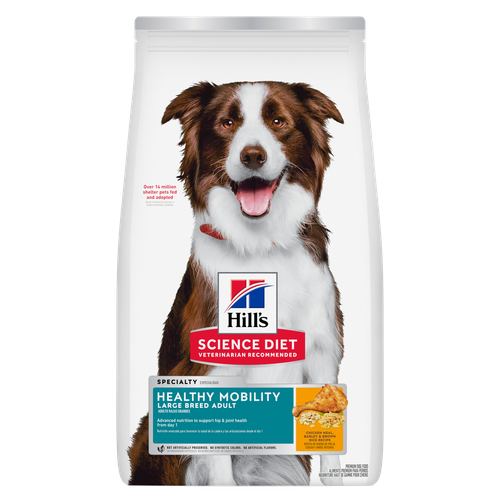
Healthy Mobility Large Breed Chicken Meal, Barley & Brown Rice Recipe Dog Food
Advanced nutrition shown to support joint health and improve mobility
Related articles

Managing Pet Separation Anxiety When Returning to Work & School
When it's time to return to school or work full-time, learn helpful tips to avoid pet separation anxiety & help your dog or cat feel safe when you're gone.

Dogs & Cat Toothpaste, Toothbrushes & Brushing Tips
Learn what to look for in dog & cat toothpaste, including ingredients to avoid, as well as how to choose the right toothbrush and tips for brushing.

Antioxidants: Fueling your pet's fight against free radicals
Learn more about free radicals and how antioxidants help provide some protection against free radicals and how Hills pet foods makes a difference.

Creating a Pet Preparedness Plan for Emergencies
Not feeling well enough to care for your furry friend? Creating a pet preparedness plan ensures that your pet gets the care, attention and love they need.
Put your pet on a diet without them knowing
Our low calorie formula helps you control your pet's weight. It's packed with high-quality protein for building lean muscles, and made with purposeful ingredients for a flavorful, nutritious meal. Clinically proven antioxidants, Vitamin C+E, help promote a healthy immune system.
Put your pet on a diet without them knowing
Our low calorie formula helps you control your pet's weight. It's packed with high-quality protein for building lean muscles, and made with purposeful ingredients for a flavorful, nutritious meal. Clinically proven antioxidants, Vitamin C+E, help promote a healthy immune system.