


Dogs explore the world with their mouths, and most owners will, at some point, catch their dog mouthing something they should not. Plenty of swallowed items pass through the digestive tract with no harm done. Others do not. When a swallowed object lodges in the stomach or intestine and stops food, fluid and waste from moving through, the result is a digestive blockage, one of the more common and serious problems seen in veterinary practice.
This guide covers what a blockage is, how to spot the signs, what treatment involves, and how nutrition supports your dog's digestion once they have recovered.
What is a digestive blockage in dogs?
A digestive blockage, also called a gastrointestinal obstruction, happens when a swallowed object becomes stuck along a dog's stomach or intestines and stops the normal passage of food, fluid and waste. It can be partial or complete, and a complete blockage is a medical emergency that needs prompt veterinary treatment.
Some blockages are more dangerous than others. String, ribbon and thread are known as linear foreign bodies, and the Riney Canine Health Center notes they can cut through the intestinal wall, leak gut contents into the abdomen and trigger life-threatening inflammation (peritonitis) and infection (sepsis).
Why dogs swallow things they should not
Curiosity and chewing are normal canine behaviours, and that is how most objects end up where they do not belong. Common culprits include socks and clothing, toys and toy parts, rocks, corn cobs, bones, and string or fabric.
Size and breed play a part too. Any dog can swallow something risky, so it pays to know what to watch for.
Signs of a bowel obstruction in dogs
Signs vary with where the object sits, how complete the obstruction is, and how long it has been there, and they can start subtle then worsen. The most common signs the Riney Canine Health Center lists are:
Repeated vomiting
Loss of appetite or refusing food
Abdominal pain, often noticeable when the belly is touched
Diarrhoea or straining with little result
Lethargy and low energy
Dehydration
A dog with a complete obstruction can become very unwell quickly. If you saw your dog swallow something they should not have, or you notice these signs and suspect a blockage, contact your vet straight away. Do not try to make your dog vomit at home, and do not wait and see without veterinary advice, since the timing of treatment makes a real difference.
What happens at the vet
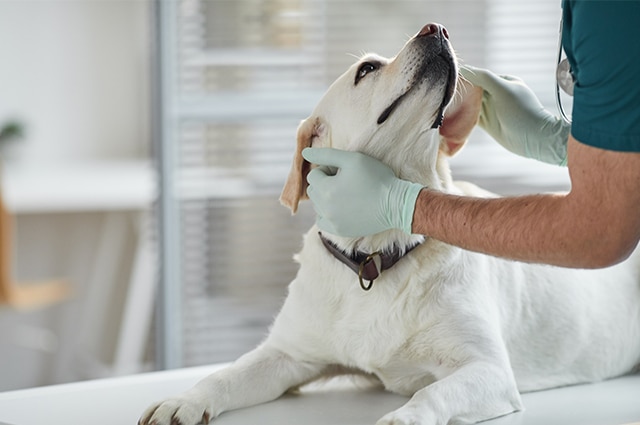
Your vet will start with your dog's history and a physical examination, including gently feeling the abdomen. Imaging usually follows. X-rays and ultrasound help locate an object and judge whether it is causing an obstruction.
Treatment depends on the object and the dog:
Monitoring. Small, smooth, non-sharp objects may be allowed to pass naturally under close veterinary observation.
Endoscopy. A small camera passed into the oesophagus or stomach can sometimes retrieve an object without surgery.
Surgery. If an object has caused an obstruction or is sharp, it may need surgical removal, and a section of damaged bowel is occasionally removed too.
Dogs may also need intravenous fluids, pain relief and anti-nausea medication. Timing matters: the Journal of Small Animal Practice study found a longer duration of signs and the presence of a linear foreign body were linked to higher mortality, and that prompt diagnosis and surgery improve the outcome.


Tasty Tips
Supporting your dog's digestive health after recovery
Nutrition can help the gut settle and support healthy digestion after recovery, following the plan your vet gives you.
After a digestive upset or surgery, the gut needs food that is gentle and easy to absorb. Highly digestible food in small frequent meals eases the load on a recovering digestive system, along with fresh water on hand. Your vet may recommend gentle nutrition such as Hill's Prescription Diet i/d cans post surgery.
For everyday digestive wellbeing in a healthy dog, a food made for sensitive digestion can be a sensible option. Hill's Science Diet Adult Sensitive Stomach & Skin is formulated to be highly digestible and contains beet pulp, a prebiotic fibre, it is formulated to be highly digestible, supporting optimal nutrient absorption while being gentle on the stomach.
If your dog has a diagnosed digestive condition, your vet may recommend a therapeutic food for that specific need. These foods sit within Hill's Prescription Diet range for digestive care and are fed only on veterinary recommendation, never self-selected. Your vet is the right person to match the food to the diagnosis.
Reducing the risk of future blockages
Prevention comes down to limiting what your dog can swallow and building helpful habits. Lort Smith suggests a practical set of steps:
Supervise play, and pick up small objects, clothing and rubbish your dog could reach.
Choose durable, vet-approved chew toys, and check existing toys for loose parts.
Teach cues such as "leave it" and "drop it" so you can interrupt before something is swallowed.
Our guide to everyday dog care covers more ways to keep your dog safe at home.
When to talk to your vet
Any suspected swallowing of a foreign object, or any of the signs above, is a reason to call your vet promptly, including after hours. A blockage can move from uncomfortable to dangerous quickly, and early care gives your dog the best outcome. Your vet remains the first call whenever your dog's health is in question.
Frequently asked questions
What is a digestive blockage in dogs?
A digestive blockage, also called a gastrointestinal obstruction, happens when a swallowed object becomes stuck along a dog's stomach or intestines and stops the normal passage of food, fluid and waste. It can be partial or complete, and a complete blockage is a medical emergency that needs prompt veterinary treatment.
What are the signs of a digestive blockage in dogs?
Common signs include repeated vomiting, loss of appetite or refusing food, abdominal pain (especially when the belly is touched), diarrhoea or straining with little result, lethargy, and dehydration. Signs can start subtle then worsen quickly, so contact your vet straight away if you sus
Will a dog pass a blockage on its own?
Small, smooth objects sometimes pass within a day or two, and a vet may choose to monitor. Larger, sharp or linear objects often cannot pass safely and may need removal. Never wait and watch at home without veterinary advice, since a true obstruction can become an emergency.
What happens at the vet when a dog has a digestive blockage?
Your vet will take your dog's history and perform a physical examination, followed by imaging such as X-rays or ultrasound to locate the object. Treatment depends on the situation and may include monitoring, endoscopy to retrieve the object, or surgery if the object has caused an obstruction or is sharp. Dogs may also need intravenous fluids, pain relief and anti-nausea medication.
What should I feed my dog after a digestive blockage?
Follow the feeding plan your vet provides. Recovery usually involves a highly digestible food given in small, frequent meals, with constant access to fresh water. Your vet will guide you on when to return to your dog's regular diet.
How can I reduce the risk of my dog swallowing something dangerous?
Supervise play and pick up small objects, clothing and rubbish your dog could reach. Choose durable, vet-approved chew toys and check existing toys for loose parts. Teaching cues such as 'leave it' and 'drop it' can also help you interrupt before something is swallowed.

Related products

Sensitive Stomach & Skin Adult Wet Dog Food
Hill's Science Diet Sensitive Stomach & Skin Adult dog food is a complete pet food for adult dogs 1–6 years old. It is highly digestible and promotes a lustrous coat.

Sensitive Stomach & Skin Adult Small & Mini Breed Dog Mousse with Turkey
Hill's Science Diet Sensitive Stomach & Skin Small & Mini Adult dog food is a complete pet food for small breed adult dogs 1–6 years old. It is highly digestible and promotes a lustrous coat.
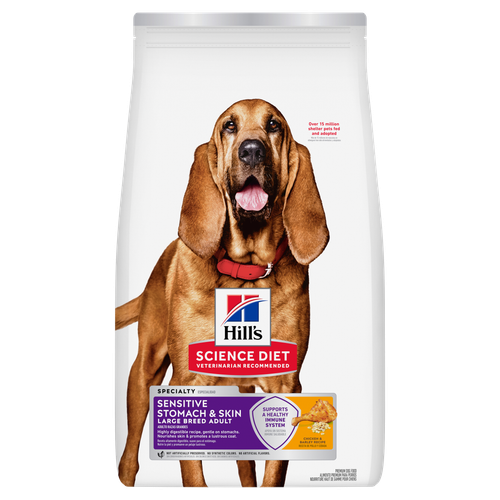
Adult Sensitive Stomach & Skin Large Breed Chicken & Barley Recipe Dog Food
Hill's Science Diet Sensitive Stomach & Skin Large Breed dry dog food is gentle on stomachs while nourishing skin & promoting a lustrous coat. In a delicious large bite size for large breed dogs.
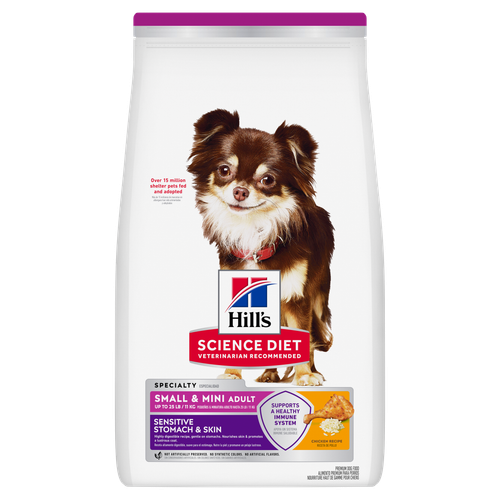
Adult Sensitive Stomach & Skin Small & Mini Chicken Recipe Dry Dog Food
Hill's Science Diet Sensitive Stomach & Skin Small & Mini dry dog food is tailored nutrition for Small & Mini dogs while being gentle on stomachs. Nourishes skin & promotes a lustrous coat.
Related articles
Things You Can Do to Help Your Dog's Sensitive Stomach
A dog with a sensitive stomach has special needs. Learn more about sensitive stomach symptoms in your dog, what you can do to help sooth your pet’s insides and get recommendations on sensitive stomach dog food.
Helpful Tips for Exercising with Your Dog
Though it may seem like your four-legged friend loves nothing more than to nap on the couch, dogs need regular exercise to stay healthy just like people do.
Hill's Puppy Food: Quality Ingredients for Health & Nutrition
Selecting the right food for your puppy is a key to quality nutrition and a long, healthy life., Learn more about how to select the right puppy food.
What to Feed Your Pregnant or Nursing Dog
Learn what you can feed your pregnant or nursing dog to keep her and her new pups healthy.
Put your dog on a diet without them knowing
Our low calorie formula helps you control your dog's weight. It's packed with high-quality protein for building lean muscles, and made with purposeful ingredients for a flavorful, nutritious meal. Clinically proven antioxidants, Vitamin C+E, help promote a healthy immune system.