


A dog's birthday is really a celebration for the whole household. Whether you are marking the day you brought home a rescue or the actual whelping date from a breeder, the day is a chance to do more of what your dog already loves and to strengthen the bond you share. The best celebrations are built around your dog's temperament and routine, not around balloons and noise. Here is how to plan a day that feels special for your dog and safe from start to finish.
Plan a paw-fect day together
The simplest birthday is often the best one. Dogs thrive on routine, so a day built around familiar, low-stress activities tends to land better than a big, busy party.
Start with something your dog genuinely enjoys. A morning beach walk, a sniff-heavy bush track, or an extended game of fetch in the backyard all make great birthday anchors. Letting your dog set the pace, with plenty of time to stop and sniff, turns an ordinary walk into a rich sensory outing. A dog's sense of smell is far more powerful than ours, and exposing dogs to novel scents increases engagement and reduces stress-related behaviours, so a new walking route can be a gift in itself.
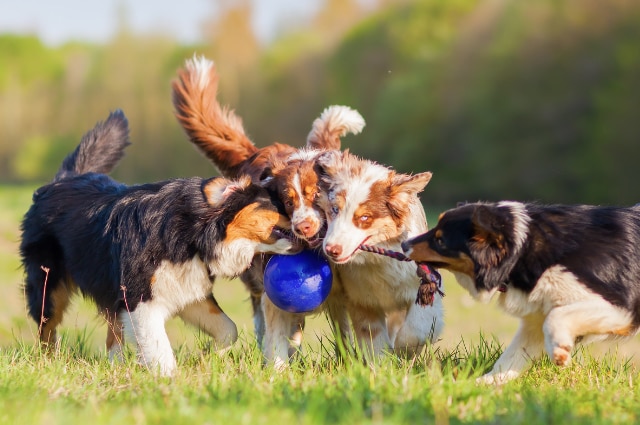
If you want to invite other dogs, keep the guest list small and compatible. A couple of familiar dog friends in a securely fenced space works far better than a crowd of strangers. Introduce dogs on neutral ground first, keep initial greetings brief and supervised, and watch body language for signs of stress like lip-licking, yawning, a tucked tail or trying to move away. For an anxious or older dog, skip the guests entirely and keep the day one-on-one.
A themed celebration at home can be lovely, with a few sensible precautions:
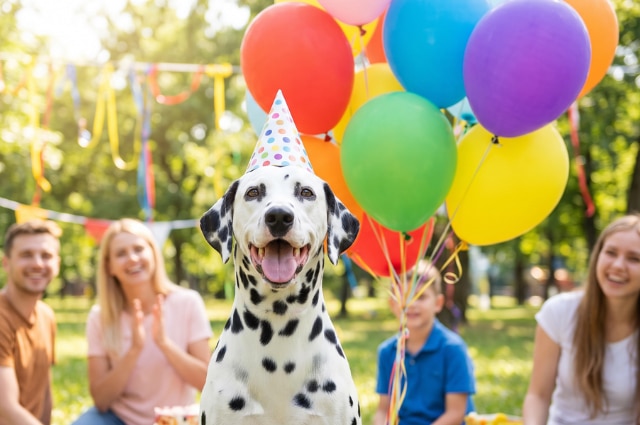
Skip balloons and streamers. They are a choking and intestinal blockage hazard if popped or swallowed.
Keep music calm and the volume low. Loud parties and party poppers can frighten noise-sensitive dogs.
Give your dog a quiet retreat, like a familiar bed or crate in another room, so they can opt out of the activity whenever they need to.
Healthy birthday treats and cakes
A birthday cake is part of the fun, and there are plenty of dog-safe ways to do it. Simple "pup-cakes" can be made from ingredients like cooked pumpkin, mashed banana, plain unsweetened peanut butter (check the label carefully, as some contain xylitol, which is toxic to dogs) and a little plain yoghurt. Plain cooked chicken or a few dog-safe vegetables such as carrot also make a festive, low-fuss option.
Portion size matters more than presentation. A useful guideline from VCA Animal Hospitals is the 10% rule: treats and extras should make up no more than 10% of your dog's daily calories, with the remaining 90% coming from a complete and balanced food. For a small dog, that 10% is a surprisingly small amount, so adjust the size of the cake to the dog, not the occasion. On a celebration day, it helps to slightly reduce your dog's regular meal portions to make room for the treats and keep the day's total intake on track.
The flip side of treats is knowing what is genuinely dangerous. Several common party and human foods are toxic to dogs. According to RSPCA Australia, foods that are harmful to dogs include chocolate, grapes, raisins and sultanas, onion and garlic, macadamia nuts, and alcohol. Chocolate is a particular risk because it contains theobromine, which dogs process slowly, of which darker chocolate contains the most. Keep all of these well out of reach, and if your dog has a known sensitivity, stick to single, plain ingredients or a limited-ingredient option rather than experimenting on the big day.
If your dog has food sensitivities, a sensitive stomach or any health condition, a celebration is not the moment to introduce rich new foods. Talk to your vet about suitable treat options before the day. Pets on a complete and balanced diet such as Hill's Science Diet are already getting the nutrients they need, which is why keeping treats to that 10% window protects the balance of their everyday food.


Tasty Tips
Meaningful gifts and enrichment
Gifts that make a dog think are often more rewarding than another squeaky toy. Enrichment, the practice of engaging a dog's mind and senses, is more than entertainment. Enrichment is essential for a dog's physical and mental health, with benefits including reduced stress and anxiety, stronger bonds with their people, and fewer problem behaviours. The same RSPCA resource notes that cognitive enrichment can even help slow age-related cognitive decline in older dogs.
Some birthday gift ideas that double as enrichment:
Puzzle toys and treat-dispensing balls that make your dog work for a reward, matched to their size and chewing style.
Snuffle mats and lick mats, which tap into natural foraging and licking behaviours are calming for many dogs.
Frozen treat puzzles, made by freezing a little wet food or dog-safe broth inside a sturdy rubber toy, which are ideal on a warm Australian afternoon. Avoid small ice cubes which can become choking hazards.
A scent-based treasure hunt, hiding small portions of your dog's daily food around the garden or house to encourage problem-solving and sniffing.
Choose age-appropriate, sturdy toys and supervise play, since toys that can be swallowed or chewed apart pose a hazard. One practical tip: rotate toys rather than offering them all at once. Dogs lose interest in toys that are always available, so keeping a few in reserve and swapping them weekly keeps things novel.
Capture the moment and care for their wellbeing
Birthdays are worth remembering. A paw-print keepsake using pet-safe, non-toxic ink or clay is a simple craft, and a short photo or video session captures the day. For stress-free photos, use treats and patience rather than forcing a pose, keep sessions short, and photograph your dog doing something they enjoy rather than sitting still in a party that they may dislike.
Tailor the celebration to your dog's life stage. Puppies tire quickly and need nap breaks, so keep activities short and gentle on developing joints. Senior dogs benefit from low-impact activities, plenty of rest, and easy access to water. On warm days, schedule activity for the cooler early morning or evening, and watch for signs of overheating.
Some moments call for a vet's input rather than a celebration plan. It is worth speaking to your veterinarian before the day if you want to change your dog's diet or introduce new treats, if your dog has a sensitive stomach or a diagnosed health condition, or if you are unsure how much activity and excitement is safe for an older or unwell dog. A quick conversation means the day stays happy for the right reasons. For more on keeping your dog well at every age, our guide to dog care and nutrition is a useful starting point.
A dog's birthday does not need to be elaborate. A familiar walk, a small safe treat, a new puzzle to solve and a quiet evening together is often the perfect day from your dog's point of view.
FAQs
What can I make for my dog's birthday cake?
Simple dog-safe pup-cakes can be made from ingredients like cooked pumpkin, mashed banana, plain unsweetened peanut butter (check the label carefully, as some contain xylitol, which is toxic to dogs) and a little plain yoghurt. Plain cooked chicken or dog-safe vegetables such as carrot also make a festive, low-fuss option. Always adjust the portion size to suit your dog's size, not the occasion.
How many treats can I give my dog on their birthday?
A useful guideline is the 10% rule: treats and extras should make up no more than 10% of your dog's daily calories, with the remaining 90% coming from a complete and balanced food. On a celebration day, slightly reduce your dog's regular meal portions to make room for extras and keep the day's total intake on track.
What foods are dangerous for dogs at a birthday celebration?
Several common party and human foods are toxic to dogs, including chocolate, grapes, raisins and sultanas, onion and garlic, macadamia nuts, alcohol and the sweetener xylitol. Keep all of these well out of reach, and avoid introducing rich or unfamiliar foods on the day — particularly if your dog has a sensitive stomach or a known health condition.
What are good birthday gift ideas for dogs?
Enrichment-based gifts tend to be more rewarding than standard toys. Great options include puzzle toys and treat-dispensing balls, snuffle mats and lick mats, frozen treat puzzles, and scent-based treasure hunts using small portions of your dog's daily food. Choose age-appropriate, sturdy toys and supervise play to avoid any swallowing hazards.
Is it safe to have a dog birthday party with other dogs?
A small gathering of familiar, compatible dogs in a securely fenced space works best. Introduce dogs on neutral ground first, keep initial greetings brief and supervised, and watch for stress signals such as lip-licking, yawning, a tucked tail or attempts to move away. For anxious or older dogs, skip the guests entirely and keep the day one-on-one.
How should I adjust a dog's birthday celebration for their age?
Puppies tire quickly and need nap breaks, so keep activities short and gentle on developing joints. Senior dogs benefit from low-impact activities, plenty of rest and easy access to water. On warm Australian days, schedule activity for the cooler early morning or evening and watch for signs of overheating.

Related products
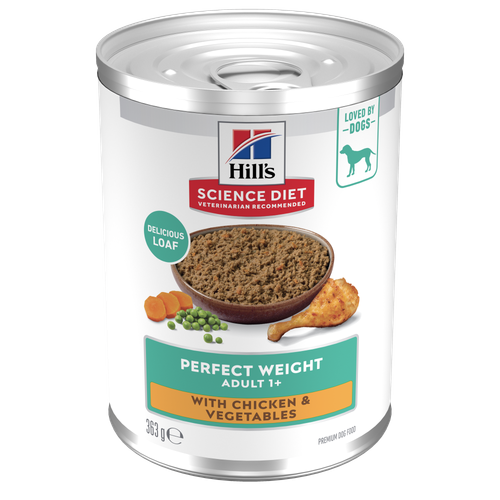
Perfect Weight Adult Wet Dog Food
Over 70% of dogs lost weight within 10 weeks when fed this nutrition
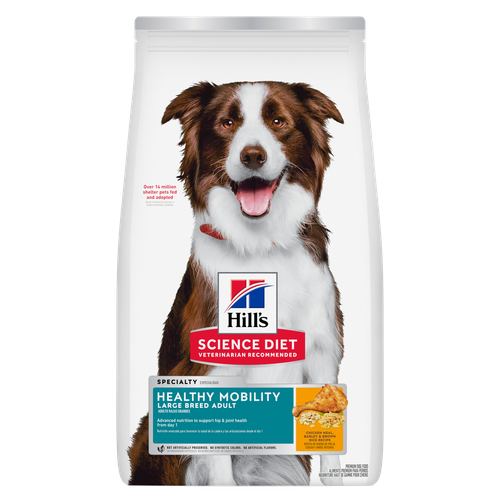
Healthy Mobility Large Breed Chicken Meal, Barley & Brown Rice Recipe Dog Food
Advanced nutrition shown to support joint health and improve mobility

Adult Perfect Weight & Joint Support Chicken & Brown Rice Recipe Dog Food
This weight management and mobility support dog food was created with Hill’s unique understanding of the biology of overweight dogs.

Adult 6+ Large Breed Chicken Meal, Barley & Rice Recipe Dog Food
Supports energy level, joint health, and beautiful coat in large breed mature dogs
Related articles
Helpful Tips for Exercising with Your Dog
Though it may seem like your four-legged friend loves nothing more than to nap on the couch, dogs need regular exercise to stay healthy just like people do.
Things You Can Do to Help Your Dog's Sensitive Stomach
A dog with a sensitive stomach has special needs. Learn more about sensitive stomach symptoms in your dog, what you can do to help sooth your pet’s insides and get recommendations on sensitive stomach dog food.
Hill's Puppy Food: Quality Ingredients for Health & Nutrition
Selecting the right food for your puppy is a key to quality nutrition and a long, healthy life., Learn more about how to select the right puppy food.
What to Feed Your Pregnant or Nursing Dog
Learn what you can feed your pregnant or nursing dog to keep her and her new pups healthy.
Put your dog on a diet without them knowing
Our low calorie formula helps you control your dog's weight. It's packed with high-quality protein for building lean muscles, and made with purposeful ingredients for a flavorful, nutritious meal. Clinically proven antioxidants, Vitamin C+E, help promote a healthy immune system.
Put your dog on a diet without them knowing
Our low calorie formula helps you control your dog's weight. It's packed with high-quality protein for building lean muscles, and made with purposeful ingredients for a flavorful, nutritious meal. Clinically proven antioxidants, Vitamin C+E, help promote a healthy immune system.