


For active families looking for a canine companion to join their adventures, choosing the right dog breed is essential. The perfect family dog needs energy to match your lifestyle, a friendly temperament, and adaptability for various activities. Whether your family enjoys bushwalking, beach trips, or backyard cricket, these top 10 dog breeds combine athleticism, friendliness, and reliability to become the perfect addition to your active family unit.
1. Border Collie
Originally bred for herding sheep, Border Collies have seemingly endless energy and exceptional problem-solving abilities. They love learning commands and can master complex tricks. Border Collies excel at agility competitions, frisbee catching, flyball racing, advanced obedience training, herding trials, and long-distance trail running. They can however be prone to hip dysplasia and eye conditions so regular veterinary check-ups are important to stay on top of.
2. Golden Retriever
Golden Retrievers are beloved family dogs known for their friendly, patient temperament and adaptability to active lifestyles. Their gentle nature combines perfectly with their enthusiasm for outdoor activities. They particularly shine at water activities, making them ideal companions for beach trips, swimming, and dock diving. Their natural retrieving instinct makes them excellent playmates for throwing games, while their trainable nature allows them to participate in therapy work and family camping adventures.
3. Australian Shepherd
Australian Shepherds are hardworking, intelligent dogs with boundless energy perfect for highly active families. These versatile herding dogs thrive when given both physical challenges and mental stimulation. They excel at competitive dog sports including agility, obedience trials, frisbee competitions, and herding activities. Their athletic build makes them perfect partners for cross-country running and hiking challenging trails. Australian Shepherds form strong bonds with their families but need consistent training and daily exercise to prevent boredom-related behaviours.
4. Labrador Retriever
Labradors are the quintessential family dog, combining an affectionate, outgoing temperament with athletic abilities that make them ideal for active households. These versatile retrievers adapt to various activities from swimming and hiking to family camping trips and beach outings. Their friendly nature makes them reliable around children and other pets, while their trainable disposition allows them to participate in everything from casual family play to structured activities like dock diving. Health-conscious families should monitor their weight, as Labradors can be prone to obesity which may impact their joint health during active pursuits.
5. Vizsla
Vizslas are athletic, affectionate "velcro dogs" with exceptional stamina that makes them perfect companions for fitness-enthusiast families. Originally Hungarian hunting dogs, they excel at endurance activities like long-distance running, canicross, and extended hiking adventures. Vizslas form intense bonds with their families, wanting to participate in all activities while offering affection at home. They require at least an hour of vigorous daily exercise to prevent anxiety and restlessness, making them best suited to highly active families who can incorporate their dog into regular outdoor adventures year-round.



Tasty Tips
6. Cocker Spaniel
Cocker Spaniels offer a perfect balance of affection and energy in a medium-sized package suitable for moderately active families. Their playful nature and manageable exercise needs make them versatile companions for families with children. Cockers enjoy moderate activities like nature walks, gentle play sessions, and family picnics, while still having the hunting heritage to participate in field trials and scent work for more challenge. Their beautiful coats require regular grooming, and families should monitor their ear health after water activities, as their long ears can be prone to infections if not properly dried and cleaned.

7. Beagle
Beagles pack impressive energy and curiosity into a medium-sized, family-friendly package. These scent hounds combine a friendly, outgoing temperament with the stamina developed for tracking during hunts. Their powerful nose makes them naturals at scent games, tracking activities, and outdoor exploration, while their sociable nature ensures they enjoy family outings to beaches and parks. Beagles typically get along well with children and other pets, though their tracking instincts can make reliable recall challenging without consistent training. Their moderate size makes them manageable for families while still being sturdy enough for active play.
8. Jack Russell Terrier
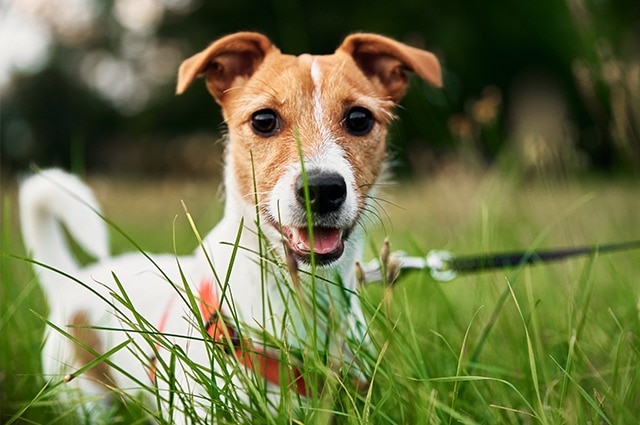
Jack Russell Terriers deliver big-dog energy in a small, portable package perfect for active families with limited space. These tenacious terriers were bred for hunting and possess remarkable athleticism, speed, and problem-solving skills. They excel at earth dog trials, agility, intense fetch games, and can burn energy even in smaller spaces when necessary. Jack Russells require both physical exercise and mental challenges to prevent destructive behaviours born of boredom. Families should monitor for signs of knee problems (patellar luxation) during jumping activities, but overall, these dogs are hardy and ready for action despite their small stature.
9. Dalmatian
Dalmatians combine distinctive spotted coats with exceptional endurance that once helped them serve as carriage dogs running alongside horse-drawn vehicles. These athletic dogs excel at endurance activities like long-distance running, road cycling companionship, and challenging hikes. Their protective nature makes them good watchdogs, while their playful spirit makes them entertaining companions for children when properly trained and socialised. Dalmatians have a unique urinary system requiring constant access to fresh water, especially during active outdoor adventures, to prevent urinary stones. Their striking appearance comes with energy requirements that demand regular vigorous exercise.
10. English Springer Spaniel
English Springer Spaniels are versatile, friendly sporting dogs with the perfect combination of energy for outdoor activities and an affectionate nature for family life. Originally bred for flushing and retrieving game, they excel at water activities, scent games, moderate hiking, and backyard play sessions. Their eager-to-please temperament makes them relatively easy to train, while their manageable exercise needs make them suitable for moderately active families. Springers form strong bonds with family members and typically have the patience to interact well with children of all ages while still having enough energy to participate in weekend adventures.
Key Factors to Consider When Choosing a Dog
Energy Level and Exercise Needs: Dogs with high energy levels thrive in active households where they'll receive plenty of exercise. Most working and sporting breeds need at least 1-2 hours of physical activity daily, spread across walks, play sessions, and training. Without adequate physical activity, energetic breeds often develop destructive behaviours like excessive barking, digging, chewing furniture, or even becoming anxious or depressed. When matching a dog's energy to your family, consider not just your ideal week, but also your typical week—including rainy days and busy periods. Having a plan for exercising your dog throughout the year ensures they'll remain happy and well-adjusted members of your active household.
Temperament and Compatibility with Children: A family dog should be patient, gentle, and tolerant with children while still having the stamina to join family activities. Dogs with good child compatibility typically have moderate to high tolerance for unpredictable movements, noise, and sometimes rough handling that can occur with children. Look for breeds known for their stable temperaments and ability to recognise appropriate play levels with different age groups. Consider your children's ages when choosing a breed—some dogs are better with older children who understand boundaries, while others naturally adapt to younger children. Proper supervision is always essential, regardless of breed, and children should be taught to respect the dog's space and boundaries. Remember any dog, regardless of breed, may be inappropriate around children. Always ensure both dog and child are happy and safe at all times.
Size and Space Requirements: Consider your living situation when choosing a dog. Larger, more energetic breeds typically need more space to move around, including secure outdoor areas where they can run safely. However, a large yard alone doesn't replace activity needs—even large properties require active engagement with your dog. Some medium-sized breeds can adapt well to apartment living if given sufficient daily exercise outside the home. Smaller high-energy breeds may need less space physically but still require regular activity outlets. Beyond physical space, consider your proximity to parks, reserves, beaches, or dog-friendly trails where your active dog can explore safely. The ideal living arrangement provides both adequate home space and access to appropriate exercise environments.
Training Considerations for Active Dogs: Proper training is crucial for active family dogs. Start early with basic commands and reliable recall training, which is essential for off-leash adventures. Teach your dog to return to you on command—even high-energy breeds need an "off switch." Use activities like running or playing fetch as rewards during training to simultaneously meet exercise needs and reinforce good behaviour.
Supporting Your Active Dog's Health
The right nutrition is essential for active dogs. Hill's Science Diet Adult Healthy Mobility contains ingredients like EPA from fish oil and natural sources of glucosamine to support joint health for dogs participating in regular physical activities. For active breeds, Hill's Science Diet Adult dog food is a great choice. It's specially formulated to fuel the energy needs of dogs during the prime of their life and supports lean muscles with high-quality protein.
When selecting a dog for your active family, remember that individual personalities within any breed can vary. Meeting the specific dog you're considering is just as important as understanding breed characteristics. The best active family dog is one whose energy level, size, and temperament align well with your family's specific lifestyle and activities.

Related products
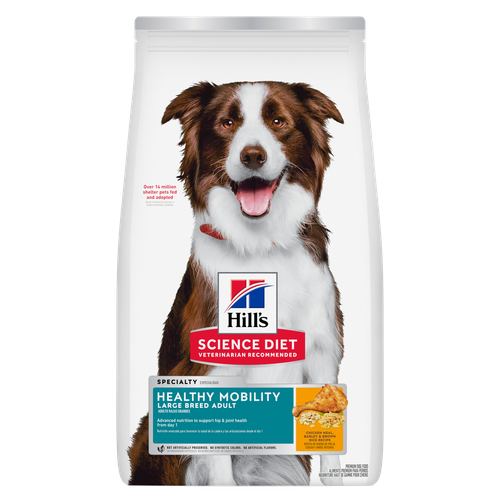
Healthy Mobility Large Breed Chicken Meal, Barley & Brown Rice Recipe Dog Food
Advanced nutrition shown to support joint health and improve mobility

Perfect Weight Adult Wet Dog Food
Over 70% of dogs lost weight within 10 weeks when fed this nutrition

Adult Perfect Weight & Joint Support Chicken & Brown Rice Recipe Dog Food
This weight management and mobility support dog food was created with Hill’s unique understanding of the biology of overweight dogs.

Adult 6+ Large Breed Chicken Meal, Barley & Rice Recipe Dog Food
Supports energy level, joint health, and beautiful coat in large breed mature dogs
Related articles

Hill's Puppy Food: Quality Ingredients for Health & Nutrition
Selecting the right food for your puppy is a key to quality nutrition and a long, healthy life., Learn more about how to select the right puppy food.

What to Feed Your Pregnant or Nursing Dog
Learn what you can feed your pregnant or nursing dog to keep her and her new pups healthy.

Things You Can Do to Help Your Dog's Sensitive Stomach
A dog with a sensitive stomach has special needs. Learn more about sensitive stomach symptoms in your dog, what you can do to help sooth your pet’s insides and get recommendations on sensitive stomach dog food.

Helpful Tips for Exercising with Your Dog
Though it may seem like your four-legged friend loves nothing more than to nap on the couch, dogs need regular exercise to stay healthy just like people do.
Put your dog on a diet without them knowing
Our low calorie formula helps you control your dog's weight. It's packed with high-quality protein for building lean muscles, and made with purposeful ingredients for a flavorful, nutritious meal. Clinically proven antioxidants, Vitamin C+E, help promote a healthy immune system.
Put your dog on a diet without them knowing
Our low calorie formula helps you control your dog's weight. It's packed with high-quality protein for building lean muscles, and made with purposeful ingredients for a flavorful, nutritious meal. Clinically proven antioxidants, Vitamin C+E, help promote a healthy immune system.