


Leaving your dog home alone can be difficult - for both of you. Many pet parents feel a pang of guilt when heading out the door, especially when faced with those soulful eyes. Creating a safe, comfortable space for your four-legged family member isn't just about peace of mind for you; it's essential for their wellbeing and security.
With proper planning and preparation, you can set up an environment that helps your dog feel secure and content during your absence. Whether you're popping out for a few hours or need to be away for a full day, these strategies will help ensure your dog remains happy, healthy, and safe until you return.
Understanding Your Dog's Needs When Alone
Dogs are social animals who naturally prefer company, but most can learn to be comfortable when left alone for reasonable periods. Before creating your dog's safe space, it's helpful to understand what influences their alone-time needs.
Different personalities respond differently to solitude. Some dogs are naturally independent and may simply nap until you return. Others might feel stressed without their human companions nearby. Recognising your dog's personality helps you create an appropriate environment.
Age is another important factor. Puppies typically need more frequent toilet breaks and supervision than adult dogs. They also tend to be more curious (and mischievous!), requiring a more secure environment. Senior dogs might need easier access to their toileting areas and comfortable resting spots for their ageing joints.
Breed characteristics also influence alone-time behaviour. Working breeds often need more mental stimulation when left alone, while some companionship breeds may experience more separation distress.
It's important to distinguish between normal alone-time behaviours and signs of true separation anxiety. Occasional barking or mild restlessness is typically normal, while destructive behaviour, excessive vocalisation, or attempts to escape may indicate anxiety requiring veterinary advice.
Essential Elements of a Safe Dog Space
Creating the ideal safe space for your dog involves careful consideration of several key elements:
Location: Choose a quiet area of your home where your dog feels comfortable. This space should be protected from extreme temperatures and have good air circulation. Many dogs prefer familiar surroundings where they typically spend time when you're home.
Safety Features: Pet-proofing is essential. Remove potentially dangerous items such as electrical cords, toxic plants, and small objects that could be swallowed. Secure rubbish bins and ensure your dog can't access harmful substances like cleaning products, medications, or certain human foods.
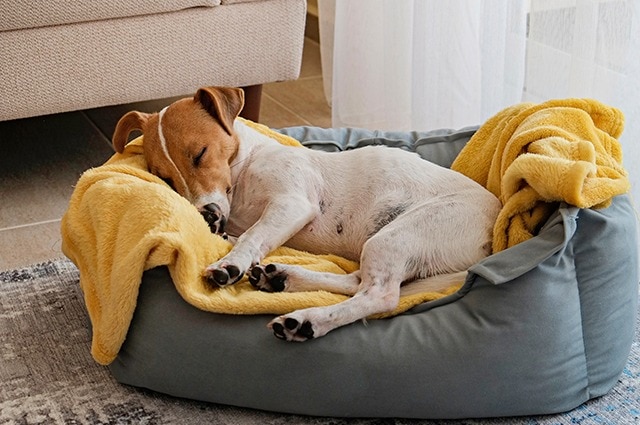
Comfort Elements: Provide comfortable bedding that your dog already associates with rest. Including items with your scent, such as an unwashed t-shirt, can be comforting. The space should be large enough for your dog to stand, turn around, lie down, and stretch comfortably.
Stimulation Needs: Mental stimulation helps prevent boredom during your absence. Puzzle toys, chew toys appropriate for your dog's size and chewing style, and toys that can be filled with treats can keep them occupied. Some dogs also benefit from visual stimulation, like a window view (if it doesn't trigger excessive barking).
Basic Necessities: Fresh water should always be available in a tip-proof bowl. If you'll be gone during mealtime, consider feeding your dog before leaving. For longer absences, automatic feeders can be helpful.


Tasty Tips
Setting Up Different Types of Safe Spaces
The safe space you create for your dog depends on their personality, training level, and specific needs. Each option offers different benefits, so finding the right match is important for your dog's comfort.
Crate-trained dogs often thrive in their personal "den" while you're away. A properly sized crate provides security and comfort, giving your dog a sanctuary that feels protected. Ensure it's large enough for your dog to stand, turn around, and lie down comfortably. Make it inviting with soft bedding and safe toys, but never use it for punishment, as this creates negative associations that undermine its effectiveness.
For dogs who find crates restrictive or when you'll be away longer, a dedicated dog-proofed room secured with a baby gate works well. Laundries, kitchens with easy-to-clean floors, or spare bedrooms are excellent choices. Before containment, remove dangerous items and add comfort essentials like bedding, toys, and water.
Well-behaved adult dogs might handle access to most of your home when you're out. This option suits dogs who've demonstrated they can be trusted not to chew inappropriately or have toileting accidents. Even with open access, restrict entry to areas with potential hazards like bathrooms containing cleaning products or rooms with valuable items.
Some properties might allow for a secure outdoor area during mild weather. If choosing this option, ensure the space has robust fencing, protection from sun and rain, fresh water, and ample shade throughout the day. Outdoor spaces should never be the only option available to your dog, particularly during Australia's extreme temperatures.
By thoughtfully matching the containment style to your dog's temperament, you can create a space where they feel genuinely secure during your absence—turning potential stress into comfort. Puppies typically need more containment for safety, while senior dogs might require easier access to toileting areas. Senior dogs with joint issues benefit from orthopaedic bedding and may do better with Hill's Science Diet Healthy Mobility to support joint health while maintaining a comfortable weight. If you are concerned about your dog's mobility issues, speak to your vet about whether Hill's Prescription Diet mobility products can support your dog.
Preparing Your Dog for Alone Time
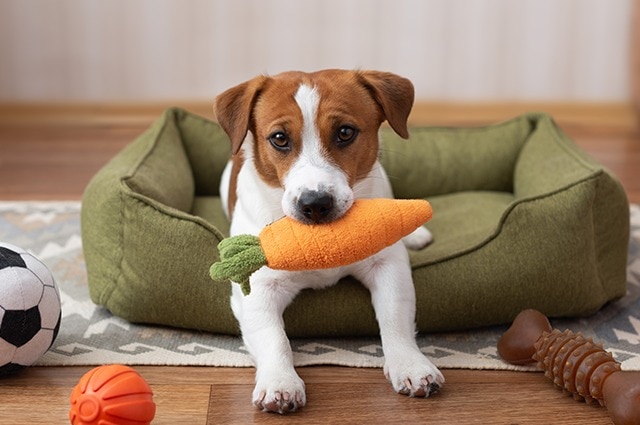
Preparation makes all the difference in helping your dog feel comfortable during your absence. Start with gradual training by increasing alone time in small increments—beginning with brief departures of just a few minutes before slowly extending as your dog shows comfort with each stage. Before leaving, provide physical exercise and mental stimulation; a tired dog is typically calmer and more likely to rest while you're gone. Establish consistent, low-key pre-departure routines, avoiding overly emotional goodbyes or arrivals that can inadvertently increase separation anxiety. Create positive associations with your absence by offering special toys or safe treats exclusively during alone time—puzzle toys filled with a small amount of wet food provide engaging activity that helps your dog view your departure as the beginning of something pleasant rather than something to fear.
Monitoring and Support Options
For peace of mind while away, consider incorporating technology such as pet cameras that allow remote check-ins, with premium options offering treat-dispensing functions or two-way audio communication. For longer absences, professional dog walkers or pet sitters can provide valuable midday breaks that significantly enhance your dog's wellbeing. Alternatively, trusted neighbours or family members who can briefly check in become invaluable resources, especially when unexpected delays occur. You'll know your arrangement is successful when you return to a calm greeting, minimal disturbance to the space, and normal behaviour patterns from your dog. If you notice destructive behaviour, house soiling, or excessive vocalisation despite your preparations, your setup likely needs adjustment. For dogs showing significant distress despite these efforts, consult your veterinarian.
Creating a safe space for your dog while you're away is an act of love that benefits both of you. By understanding your dog's unique needs and preferences, you can design an environment where they feel secure and content during your absence.
Remember that each dog is an individual who may require adjustments to these general guidelines. Pay attention to your dog's feedback—their behaviour will tell you if your arrangements are working well or need modification.
With thoughtful preparation, most dogs can become comfortable spending reasonable time alone. Your effort to create a secure environment contributes significantly to your dog's overall wellbeing and the special bond you share.

Related products
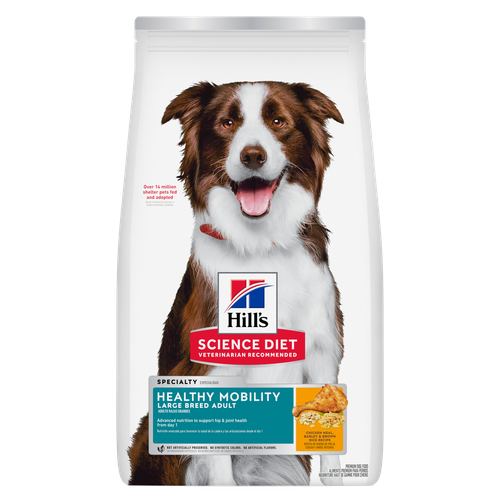
Healthy Mobility Large Breed Chicken Meal, Barley & Brown Rice Recipe Dog Food
Advanced nutrition shown to support joint health and improve mobility

Adult Perfect Weight & Joint Support Chicken & Brown Rice Recipe Dog Food
This weight management and mobility support dog food was created with Hill’s unique understanding of the biology of overweight dogs.
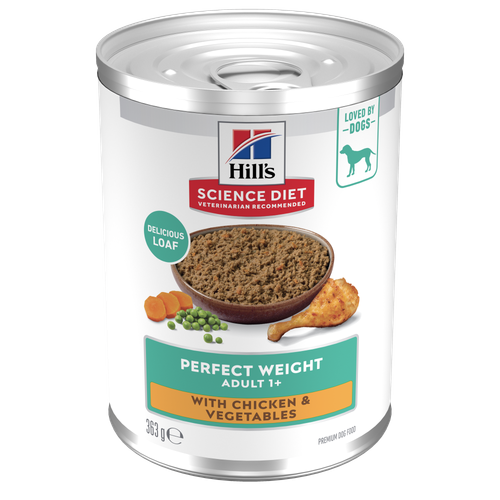
Perfect Weight Adult Wet Dog Food
Over 70% of dogs lost weight within 10 weeks when fed this nutrition

Adult 6+ Large Breed Chicken Meal, Barley & Rice Recipe Dog Food
Supports energy level, joint health, and beautiful coat in large breed mature dogs
Related articles
Things You Can Do to Help Your Dog's Sensitive Stomach
A dog with a sensitive stomach has special needs. Learn more about sensitive stomach symptoms in your dog, what you can do to help sooth your pet’s insides and get recommendations on sensitive stomach dog food.
Helpful Tips for Exercising with Your Dog
Though it may seem like your four-legged friend loves nothing more than to nap on the couch, dogs need regular exercise to stay healthy just like people do.
Hill's Puppy Food: Quality Ingredients for Health & Nutrition
Selecting the right food for your puppy is a key to quality nutrition and a long, healthy life., Learn more about how to select the right puppy food.
What to Feed Your Pregnant or Nursing Dog
Learn what you can feed your pregnant or nursing dog to keep her and her new pups healthy.
Put your dog on a diet without them knowing
Our low calorie formula helps you control your dog's weight. It's packed with high-quality protein for building lean muscles, and made with purposeful ingredients for a flavorful, nutritious meal. Clinically proven antioxidants, Vitamin C+E, help promote a healthy immune system.
Put your dog on a diet without them knowing
Our low calorie formula helps you control your dog's weight. It's packed with high-quality protein for building lean muscles, and made with purposeful ingredients for a flavorful, nutritious meal. Clinically proven antioxidants, Vitamin C+E, help promote a healthy immune system.