


Understanding your dog's bowel movements might not be the most glamorous part of pet ownership, but it's one of the most important health monitoring tools at your disposal. Your dog's poop provides valuable insights into their digestive health, nutrition absorption, and overall wellbeing. Changes in colour, texture or consistency can be early warning signs of health issues that require attention.
At Hill's, our veterinary nutritionists and researchers have spent decades studying how nutrition impacts digestive health in dogs. This guide combines scientific expertise with practical advice to help you understand what your dog's stool is telling you about their health.
What Does Healthy Dog Poop Look Like?
Before we examine concerning signs, it's important to understand what normal, healthy dog poop should look like. Healthy dog stools are:
Chocolate brown in colour - ranging from medium to dark brown
Log-shaped with natural segments - easy to pick up without leaving residue
Firm but not hard - similar to playdough consistency
Free from coating or mucus - no slimy or greasy appearance
Minimal odour - while all dog poop has some smell, healthy stools aren't overwhelmingly foul
The frequency of bowel movements varies by dog, but most healthy adult dogs defecate 1-3 times per day. Puppies and senior dogs may have different patterns, and consistency is more important than exact frequency.
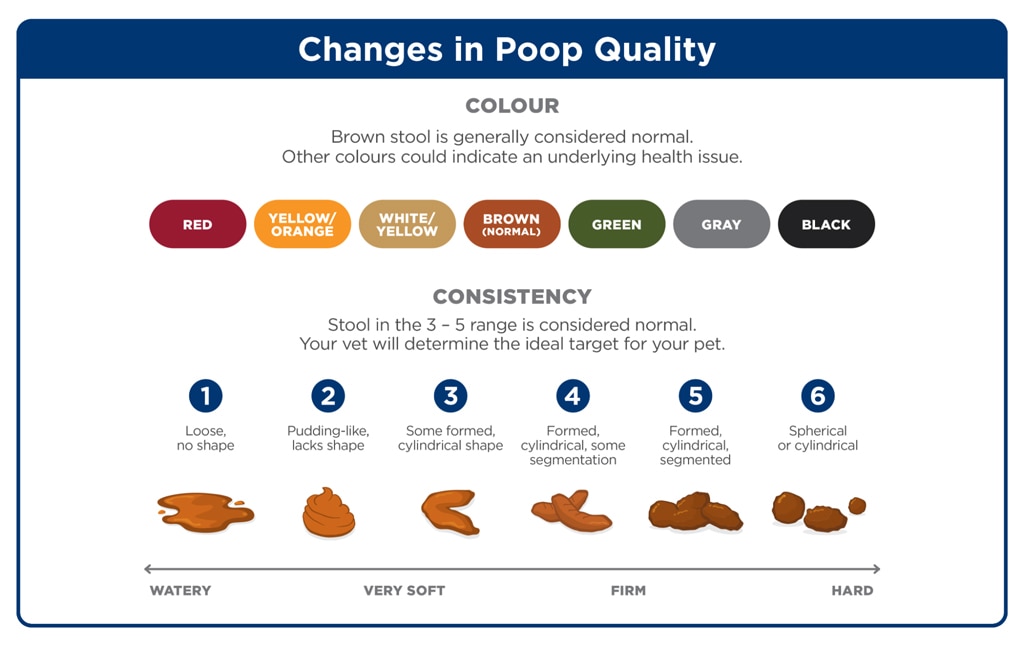
Comprehensive Dog Poop Colour Guide
Your dog's stool colour provides immediate visual clues about their digestive health and internal wellbeing. Each colour can indicate different conditions, from normal digestive processes to serious health concerns that require veterinary attention.
Healthy Brown Shades
Light to Dark Brown Poop Normal, healthy dog poop ranges from light chocolate brown to dark brown. Slight variations in shade are typically related to diet and are not concerning.
What it indicates: Proper digestion and nutrient absorption
Action needed: Continue current diet and routine care
White and Pale Colours
Whitish Dog Poop Chalky, white dog poop often indicates excessive calcium in the diet, commonly from eating too many bones or certain digestive disease processes.
What it indicates:
Too much calcium in diet
Excessive bone consumption
Potential constipation risk
When to be concerned: If accompanied by straining or hard stools
Next steps: Remove bone treats and monitor for 24-48 hours. Contact your vet if whitish colour persists or if your dog shows signs of discomfort.
White Flecked Poop Small white specks or segments in dog poop can be a sign of intestinal worms, particularly tapeworms. However, they may also be undigested food particles like rice or seeds.
What it indicates:
Possible intestinal parasites (worms)
Undigested food particles
Need for parasite evaluation
When to be concerned: Always worth veterinary evaluation to rule out parasites
Next steps: Collect a fresh sample and schedule a vet appointment for parasite screening. Ensure your dog's worming treatments are up to date.
Black and Dark Colours
Black or Tarry Dog Poop Black, tar-like stools (called melena) indicate bleeding in the upper gastrointestinal tract. The dark colour comes from digested blood.
What it indicates:
Upper gastrointestinal bleeding
Possible stomach ulcers
Potential toxin ingestion
Serious digestive condition
When to be concerned: Immediately - this is always abnormal
Next steps: Contact your veterinarian immediately. Black, tarry stools require prompt medical attention.
Red and Pink Colours
Blood in Dog Poop (Red Streaks) Fresh red blood or red streaks in dog poop typically indicate bleeding in the lower gastrointestinal tract.
What it indicates:
Lower Gastrointestinal (GI) tract bleeding
Anal fissures from straining
Gastrointestinal conditions
When to be concerned: Any visible blood warrants attention
Next steps: Monitor for 24 hours if it's a small amount and your dog seems otherwise well. Contact your vet if blood persists, increases, or if your dog shows other symptoms like lethargy or loss of appetite.
Pink or Purple Dog Poop An unusual pink or purple hue, often described to look like fruit jam, can indicate something serious and it is advised to visit a veterinarian.
What it indicates:
Severe digestive inflammation
Potentially life-threatening condition
When to be concerned: Immediately
Next steps: Contact your veterinarian immediately or seek emergency care.
Yellow and Orange Colours
Dog Poop Yellow Yellow or orange stools often indicate liver, pancreatic, or gallbladder issues. The colour comes from excess bile in the system.
What it indicates:
Liver dysfunction
Pancreatic problems
Gallbladder issues
Rapid intestinal transit
When to be concerned: If persistent for more than 24-48 hours
Next steps: Monitor your dog's behaviour and appetite. Contact your vet if yellow stools continue for 2 or more days or if accompanied by other symptoms like vomiting or lethargy.
Green Colours
Green Dog Poop Green stools usually result from eating grass or indicate gallbladder issues affecting bile production.
What it indicates:
Grass consumption (common and usually normal)
Possible gallbladder dysfunction
Too much bile in stool
When to be concerned: If no grass is visible and green colour persists
Next steps: Normal if grass is visible in stool. Contact your vet if stools remain green for 1-2 days without evidence of grass consumption.
Grey and Pale Colours
Grey or Light Tan Dog Poop Greyish or very pale stools often indicate problems with fat digestion and absorption.
What it indicates:
Liver problems
Pancreatic problems
Fat malabsorption
Serious digestive issues
When to be concerned: If persistent or accompanied by other symptoms
Next steps: Monitor for 1-2 days if your dog seems otherwise healthy. Schedule a vet appointment if grey colour continues or if you notice other changes in behaviour or appetite.


Tasty Tips
Dog Poop Texture and Consistency Guide
The texture and consistency of your dog's stool can reveal just as much about their health as colour, often indicating digestive efficiency and potential underlying issues. Healthy dog poop should be firm enough to hold its shape but soft enough to yield slightly to pressure, breaking into segments when moved and being easy to pick up completely. Any significant deviation from this ideal consistency—whether too hard, too soft, or containing unusual substances—warrants closer attention and possible veterinary consultation.
The gold standard for healthy dog stool consistency resembles firm playdough that maintains its log shape while being pliable to touch.
Concerning Textures
Hard, Marble-Like Poop Small, hard, dry stools that resemble marbles indicate constipation.
What causes it:
Dehydration
Insufficient fibre in diet
Lack of exercise
Certain medications
Ensure your dog has constant access to fresh water and encourage regular exercise to stimulate bowel movements. If constipation persists for more than 48 hours or your dog appears uncomfortable, contact your veterinarian as they may recommend dietary adjustments or medical intervention.
Soft or Sloppy Consistency Poop that has a mushy, formless consistency that spreads easily often indicates digestive issues.
What causes it:
Poor-quality diet
Food sensitivities
Rapid diet changes
Digestive inflammation
Review any recent changes to your dog's diet and ensure you're maintaining a consistent feeding routine with high-quality nutrition. Consider transitioning to an easily digestible diet like Hill's Science Diet Perfect Digestion, which contains ActivBiome+ prebiotics to support healthy digestion and firm stool formation.
Watery or Liquid (Diarrhoea) Completely liquid stools indicate diarrhoea, which can be caused by various factors.
What causes it:
Dietary indiscretion
Food allergies or intolerances
Intestinal parasites
Infections
Stress
Monitor your dog closely for signs of dehydration and ensure they have access to fresh water at all times. Contact your veterinarian if diarrhoea persists for more than 24 hours, is accompanied by other symptoms like vomiting or lethargy, or if you notice blood in the stool.
Mucous in Dog Poop (Slimy Coating) Excessive mucus creates a slimy, jelly-like coating on stools.
What causes it:
Intestinal inflammation
GI issues
Parasites
Food sensitivities
While small amounts of mucus can be normal as it helps lubricate the intestinal tract, excessive amounts warrant veterinary evaluation. Schedule an appointment with your vet if the mucousy coating persists for more than 1-2 days or is accompanied by changes in your dog's appetite or behaviour.
Greasy or Oily Appearance Stools that appear greasy or leave oily residue indicate fat malabsorption.
What causes it:
Pancreatic issues or problems
Liver problems
High-fat diet
Digestive enzyme deficiency
Greasy stools often indicate serious digestive conditions that require professional diagnosis and treatment. Contact your veterinarian promptly for evaluation, as this condition may require specific diagnostic testing, dietary management, or enzyme supplementation therapy.
Warning Signs in Dog Poop Content
Worms in Dog Poop
Finding visible worms in your dog's stool is always concerning and requires immediate veterinary attention, as intestinal parasites can affect your dog's health and may be transmissible to humans. Different types of worms have distinct appearances that can help your veterinarian identify the specific parasite and determine the most effective treatment approach.
Roundworms: Look like spaghetti strands
Tapeworms: Appear as rice-like segments
Whipworms: Thin with thick ends
If worms are spotted, collect a sample and contact your vet immediately for parasite treatment.
Foreign Objects
Discovering non-food items in your dog's stool can be both relieving and concerning—relieving because the object has passed through their system, but concerning because it may indicate your dog has a habit of eating inappropriate items or there could be additional objects still lodged in their digestive tract. Dogs are naturally curious and may ingest various household items, toys, or outdoor debris during play or exploration.
Finding items like plastic, cloth, or rocks in stool may indicate:
Successful passage of swallowed objects
Potential for remaining obstructions
Contact your vet to determine if additional examination is needed.
Excessive Hair or Fur
While it's normal to find some hair in your dog's stool from regular grooming and shedding, finding large clumps or excessive amounts of fur may signal underlying issues that need attention. Dogs naturally ingest some hair during normal grooming, but excessive fur in stools often indicates your dog is over-grooming due to discomfort or compulsive behaviour.
Large amounts of fur may indicate:
Over-grooming due to allergies or stress
Skin conditions
Dietary deficiencies
Examine your dog's coat and skin, and consult your vet if excessive licking or skin issues are present.
How Diet Changes Affect Your Dog's Poop
When transitioning to a new food, temporary changes in stool consistency and colour are completely normal as your dog's digestive system adapts to different ingredients and their gut microbiome adjusts to new nutritional profiles. This adjustment process typically takes 7-10 days with gradual food transitions, though some dogs with sensitive stomachs may require a slower transition period of up to two weeks.
Normal During Transition:
Slightly softer stools
Minor colour variations
Temporary increase in frequency
Not Normal During Transition:
Severe diarrhoea lasting more than 48 hours
Blood in stool
Signs of illness (vomiting, lethargy, loss of appetite)
For dogs with sensitive digestion, consider transitioning to a specially formulated diet like Hill's Science Diet Sensitive Stomach & Skin, which provides highly digestible nutrition that is gently on stomachs.
How Premium Nutrition Supports Digestive Health
High-quality nutrition plays a fundamental role in maintaining healthy digestion and optimal stool quality. Premium dog foods provide:
Highly digestible ingredients for easier absorption
Appropriate fibre levels for healthy stool formation
Prebiotics for gut health support
Complete and balanced nutrition to support overall wellbeing
When digestive issues arise, therapeutic nutrition can provide targeted support under the guiseance of your veterinarian. Hill's Prescription Diet i/d is clinically nutrition specifically formulated to support digestive health in dogs experiencing gastrointestinal upset, with highly digestible ingredients and a unique prebiotic blend to fuel activity of beneficial gut bacteria.
Prevention and Maintenance
Maintaining optimal digestive health is far easier than treating problems after they develop, and simple daily practices can significantly reduce the likelihood of stool-related health issues. Support your dog's digestive health through:
Consistent, high-quality nutrition - avoid frequent diet changes
Regular exercise - promotes healthy digestion
Fresh water availability - prevents dehydration and constipation
Routine veterinary care - regular check-ups catch issues early
Parasite prevention - stay current with worming treatments
Stress management - reduce anxiety through routine and environmental enrichment
Collecting Stool Samples for Your Vet
Proper stool sample collection ensures your veterinarian can accurately diagnose digestive issues and provide the most effective treatment for your dog. When you need to bring a sample to your veterinarian:
Use a clean container - small plastic containers with lids work well
Collect fresh samples - ideally within 2-4 hours of defecation
Refrigerate until appointment - keep samples cool to preserve integrity
Take photos - if stool is too liquid to collect, clear photos can be helpful
Note timing and circumstances - when the stool was produced and any relevant details
When to Contact Your Vet Immediately
Seek emergency veterinary care if you notice:
Black, tarry stools
Large amounts of blood in poop
Pink or purple coloured stools
No bowel movement for more than 48 hours
Severe diarrhoea with dehydration
Foreign objects that may indicate blockage
When to Schedule a Vet Appointment
Contact your veterinarian within 24-48 hours for:
Persistent colour changes unrelated to diet
Mucus in stool for more than 2 days
Soft stools lasting more than 3 days
Any visible worms or parasites
Changes in bowel movement frequency

Summary: Quick Reference Guide
Contact vet immediately: Black/tarry, pink/purple, large amounts of blood, no bowel movement for 48+ hours
Schedule vet appointment: Persistent colour changes, visible worms, mucus for 2+ days, ongoing soft stools
Monitor closely: Small amounts of blood, temporary colour changes, minor consistency variations during diet transitions
Normal variations: Brown colour ranges, slight texture differences, occasional grass in stool
Remember, you know your dog best. When in doubt, it's always better to consult with your veterinarian rather than wait. Early intervention often leads to better outcomes and can prevent minor issues from becoming serious health problems.
By understanding what your dog's poop is telling you and maintaining proper nutrition with high-quality foods, you're taking an important step in ensuring your dog's long-term health and happiness.

Related products
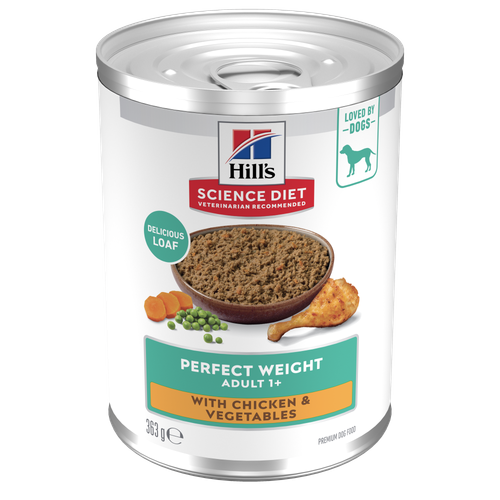
Perfect Weight Adult Wet Dog Food
Over 70% of dogs lost weight within 10 weeks when fed this nutrition

Adult 6+ Large Breed Chicken Meal, Barley & Rice Recipe Dog Food
Supports energy level, joint health, and beautiful coat in large breed mature dogs

Adult Perfect Weight & Joint Support Chicken & Brown Rice Recipe Dog Food
This weight management and mobility support dog food was created with Hill’s unique understanding of the biology of overweight dogs.
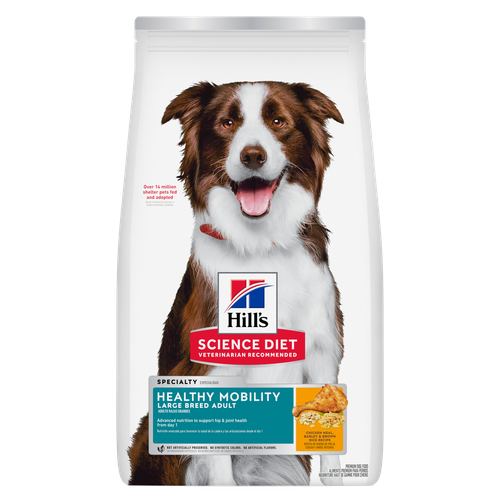
Healthy Mobility Large Breed Chicken Meal, Barley & Brown Rice Recipe Dog Food
Advanced nutrition shown to support joint health and improve mobility
Related articles
Hill's Puppy Food: Quality Ingredients for Health & Nutrition
Selecting the right food for your puppy is a key to quality nutrition and a long, healthy life., Learn more about how to select the right puppy food.
Things You Can Do to Help Your Dog's Sensitive Stomach
A dog with a sensitive stomach has special needs. Learn more about sensitive stomach symptoms in your dog, what you can do to help sooth your pet’s insides and get recommendations on sensitive stomach dog food.
Helpful Tips for Exercising with Your Dog
Though it may seem like your four-legged friend loves nothing more than to nap on the couch, dogs need regular exercise to stay healthy just like people do.
What to Feed Your Pregnant or Nursing Dog
Learn what you can feed your pregnant or nursing dog to keep her and her new pups healthy.
Put your dog on a diet without them knowing
Our low calorie formula helps you control your dog's weight. It's packed with high-quality protein for building lean muscles, and made with purposeful ingredients for a flavorful, nutritious meal. Clinically proven antioxidants, Vitamin C+E, help promote a healthy immune system.
Put your dog on a diet without them knowing
Our low calorie formula helps you control your dog's weight. It's packed with high-quality protein for building lean muscles, and made with purposeful ingredients for a flavorful, nutritious meal. Clinically proven antioxidants, Vitamin C+E, help promote a healthy immune system.