


Understanding Your Pet's Urinary System
Your pet's urinary system is a remarkable filtration network that removes waste products from the blood and maintains the body's fluid balance. The kidneys filter blood continuously, producing urine that travels through tubes called ureters to the bladder, where it's stored until your pet is ready to eliminate it through the urethra.
This system does far more than remove waste. It regulates electrolyte levels, maintains proper pH balance, and helps control blood pressure. When the urinary system functions properly, your pet feels comfortable and healthy. Problems may arise when crystals form in the urine, the bladder becomes irritated, or the delicate mineral balance shifts out of range.
Cats and dogs have some important differences in their urinary systems. Cats naturally produce more concentrated urine and are prone to developing crystals, particularly if they don't drink enough water. Male cats face additional risk due to their narrower urethras, which can become blocked more easily. Dogs, particularly females, have their own vulnerabilities, including bacterial infections that can affect the bladder and urethra.
The good news however is many urinary tract concerns can be managed through proper nutrition, adequate hydration, and regular veterinary care. Understanding how nutrition influences urinary health helps you provide the best possible care for your four-legged family member.
How Nutrition Impacts Urinary Health
The connection between what your pet eats and how their urinary system functions is both fascinating and clinically significant. Nutrition influences the concentration of minerals in your pet's urine, the pH level, and the overall environment within the bladder.
Mineral balance sits at the heart of urinary health. Calcium, phosphorus, and magnesium are all necessary nutrients, but when they're present in excessive amounts or improper ratios, they can contribute to crystal formation in the urine. These crystals can cluster together, forming stones that cause discomfort and potentially serious health issues. Foods formulated for urinary support contain carefully controlled levels of these minerals, helping to maintain an environment where crystals are less likely to develop.
Urine pH matters tremendously. Different types of crystals form in different pH environments. For example, struvite crystals tend to form in alkaline (higher pH) urine, whilst calcium oxalate crystals favour acidic (lower pH) conditions. Quality urinary health nutrition is formulated to promote an optimal pH range that reduces the risk of both crystal types.
Moisture content deserves special attention, particularly for cats. These desert evolved creatures don't have a strong natural thirst drive, making them vulnerable to producing overly concentrated urine. More concentrated urine means minerals are packed closer together, increasing crystal formation risk. Foods with higher moisture content help dilute urine naturally. Many cat owners find success combining dry food with wet food.
The ingredients themselves matter as well. Added ingredients like omega-3 fatty acids from fish oil also help to support their overall urinary tract health. Antioxidants support immune system health. For cats dealing with both urinary concerns and hairballs, specialised formulations like Hill's Science Diet Adult Urinary Hairball Control provide balanced mineral levels whilst addressing multiple health needs in one food. This demonstrates how modern pet nutrition has evolved to support wellness across various systems simultaneously.
When you're selecting food for urinary support, you're not just choosing ingredients, rather you're choosing a carefully balanced nutritional strategy backed by veterinary science. This science based approach helps create an internal environment where your pet's urinary system can function optimally.
Signs Your Pet May Need Specialised Urinary Support
Recognising when your pet needs veterinary attention for urinary issues can make a significant difference in their comfort and health. Understanding the difference between normal urinary behaviour and warning signs helps you respond appropriately.
Normal urinary health looks like this:
Your dog typically urinates three to five times daily, producing a steady stream without signs of discomfort. Your cat visits the litter box two to four times per day, eliminating normally without straining. Their urine appears pale yellow and clear, without unusual odours or visible blood. They show no signs of pain or distress during urination, and they maintain their usual bathroom habits and locations.
Red flags that warrant immediate veterinary consultation include:
Frequent trips to the litter box or asking to go outside repeatedly, but producing only small amounts of urine or none at all. This is particularly concerning and requires prompt veterinary attention. Visible blood in the urine or around the genital area turns normal pale yellow urine pink, red, or brown. Crying, yowling, or whimpering whilst trying to urinate signals pain that should never be ignored.
Straining or adopting unusual positions whilst attempting to urinate can suggest there is a blockage or severe discomfort. Urinating in unusual places around the house like the bath, kitchen floor, or carpet can often indicate that your pet associates the litter box or usual bathroom spot with pain.
Excessive licking of the genital area beyond normal grooming behaviour can signal irritation or discomfort. Changes in water consumption, particularly drinking dramatically more or less than usual, may indicate underlying urinary issues. Lethargy, loss of appetite, or vomiting accompanying any urinary symptoms requires urgent veterinary attention.
These symptoms don't diagnose specific conditions, but they do tell you something's wrong. Your veterinarian can perform urinalysis, imaging, and other diagnostic tests to identify the root cause and recommend appropriate treatment. Never attempt to diagnose or treat urinary issues at home—what appears to be a minor problem can rapidly become serious, particularly in male cats who can develop life threatening blockages.
Once your vet has established a diagnosis, they'll discuss treatment options, which may include specialised nutrition as part of a comprehensive care plan. The right food can support ongoing urinary health, but it's always prescribed or recommended by your veterinarian based on your pet's specific needs.


Tasty Tips
Key Nutritional Features to Look For
When your veterinarian recommends transitioning to food that supports urinary health, understanding what makes these formulations effective helps you make confident decisions. Several key nutritional features work together to promote a healthy urinary environment.
Controlled Mineral Levels
Specially formulated urinary health nutrition contains optimal levels of calcium, phosphorus, and magnesium. These minerals are necessary for overall health, but their precise balance matters enormously for urinary function. Too much of any single mineral, or an improper ratio between them, can contribute to crystal formation in the urine.
Foods designed for urinary support don't simply reduce all minerals indiscriminately. Rather, they maintain optimal levels that meet your pet's nutritional needs whilst promoting a urinary environment less conducive to crystal development. This balance requires extensive research and testing to get right, which is why veterinary developed nutrition makes such a difference.
Optimal Urine pH Promotion
The acidity or alkalinity of your pet's urine creates the environment where crystals either form easily or struggle to develop. Urinary health foods are formulated to promote a pH range that reduces risk for specific crystal types. This is particularly important because some diets address only one type of crystal, potentially increasing risk for another.
Look for foods that mention promoting optimal urine pH or reducing risk for both struvite and calcium oxalate crystals.
Moisture and Hydration Support
Adequate water intake dilutes urine, making crystal formation less likely. Some pets, particularly cats, don't drink enough water naturally. Foods with higher moisture content help address this challenge. Wet foods typically contain 70-80% moisture compared to dry foods' 10-12%, making them good choices for promoting hydration.
Even when feeding primarily dry food, you can support hydration by providing fresh water in multiple locations, using water fountains that appeal to cats' preference for moving water, and incorporating some wet food into the diet.
Clinical Testing and Veterinary Development
Perhaps the most important feature is the research and testing behind the formulation. Foods developed by teams of veterinary nutritionists and tested in clinical settings provide confidence that the nutrition truly supports urinary health. This scientific backing separates therapeutic nutrition from foods with marketing claims that lack rigorous evidence.
For pets requiring therapeutic nutritional support, Hill's Prescription Diet c/d Multicare has been formulated to help dissolve certain types of stones and reduce recurrence risk, whilst promoting an environment that reduces the risk of developing both struvite and calcium oxalate crystals. This type of comprehensive approach exemplifies what to look for in urinary health nutrition.
Advanced Formulation Technologies
Urinary health foods often incorporate advanced technologies developed through years of research. Hill’s S+OXSHIELD technology for example, represents a formulation approach that promotes a urinary environment that reduces the risk of developing the most common types of crystals. These innovations reflect the sophisticated science behind Hill’s pet nutrition.
When evaluating foods for your pet, consider these nutritional features collectively. No single ingredient creates urinary health rather it's the careful integration of multiple components that makes the difference. This is why foods specifically formulated for urinary support, backed by scientific research, offer advantages over simply choosing any food with controlled minerals.
Working With Your Veterinarian
Selecting the right food for urinary health isn't a decision you should make alone. Your veterinarian is your most important partner in supporting your pet's urinary tract health, and their expertise is irreplaceable.
Before making any dietary changes, especially if your pet shows urinary symptoms, schedule a veterinary examination. Your vet will perform diagnostic tests to understand exactly what's happening in your pet's urinary system. A urinalysis reveals the presence of crystals, bacteria, blood, or other abnormalities. Imaging such as X-rays or ultrasound can identify stones or other structural issues. Blood work assesses kidney function and overall health.
These diagnostics guide treatment recommendations. Different urinary conditions require different nutritional approaches. For example, the food appropriate for struvite crystals differs from what's needed for calcium oxalate stones. Attempting to self diagnose and choose food without veterinary guidance can potentially worsen the situation or delay proper treatment.
Your vet will explain their findings and discuss whether dietary management could benefit your pet. For some conditions, they'll recommend prescription therapeutic nutrition specifically formulated for that issue. These foods aren't available over the counter because they require professional oversight and work best under veterinary guidance.
Ask questions during your consultation. How long should your pet eat this food? What improvements should you expect to see, and on what timeline? How will you monitor progress? Should you schedule follow-up urinalysis to ensure the approach is working? Understanding the plan helps you implement it successfully.
Some pets need therapeutic urinary diets temporarily whilst stones dissolve or inflammation clear. Others benefit from long term maintenance nutrition to prevent recurrence. Your veterinarian will advise on the best approach for your individual pet's needs.
Remember that therapeutic nutrition works best as part of comprehensive care. Your vet might also recommend increased water intake, environmental changes to reduce stress (particularly important for cats), or medications if needed. Following the complete treatment plan, not just the dietary component, gives your pet the best chance at urinary health.
Regular monitoring is essential. Your vet will want to recheck urine samples periodically to ensure the dietary strategy is working as intended. These follow-ups allow adjustments if needed and provide peace of mind that your pet's urinary health is improving or remaining stable.
The veterinarians who formulated Hill's prescription and wellness nutrition understand that they're creating these foods to be used in partnership with practitioners like your vet. This collaboration between pet owner, veterinarian, and nutritional science creates the strongest foundation for your pet's health.

Supporting Long-Term Urinary Wellness
Urinary health isn't just about addressing problems after they arise, we want to be creating an environment where your pet's urinary system can function optimally throughout their life. Nutrition forms one pillar of this proactive approach, working alongside hydration, regular veterinary care, and stress reduction.
The food you choose matters, but so does consistency. Frequent diet changes can disrupt the carefully balanced urinary environment that therapeutic or supportive nutrition creates. Once you've found a food that works well for your pet under veterinary guidance, maintaining that choice provides ongoing benefits. Matching corresponding wet and dry from the same food and brand is important to ongoing success in managing your pet with urinary issues.
Hydration deserves daily attention. Fresh, clean water should always be available. For cats, multiple water stations throughout your home, wide shallow bowls that don't touch their whiskers, and water fountains can all encourage drinking. Some pets prefer their water bowl away from their food. Small adjustments that increase water consumption make a meaningful difference in urinary health.
Regular veterinary checkups catch potential issues early, often before symptoms appear. Annual or semi-annual wellness exams that include urinalysis can identify developing concerns when they're most easily addressed. This preventive approach is particularly valuable for breeds or individuals with urinary health history.
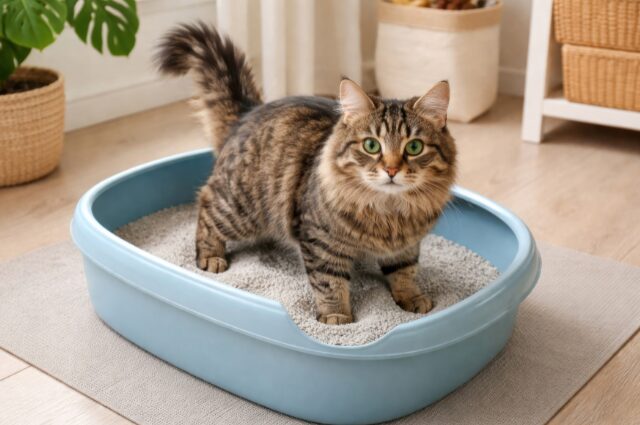
Managing stress also plays a role, especially for cats. Urinary issues in felines are often linked to environmental stressors. Providing adequate litter boxes (one per cat plus one extra), maintaining clean litter, creating vertical space for climbing, and minimising household disruptions all contribute to urinary wellness.
Your pet's urinary health is an ongoing commitment, not a one-time fix. The combination of appropriate nutrition, adequate hydration, regular veterinary monitoring, and a supportive environment creates the best possible foundation for a comfortable, healthy life. When you notice anything unusual about your pet's urination habits it is best to get in contact with your veterinarian promptly.
Your pet depends on you to make informed choices about their care. By understanding how nutrition influences urinary health and partnering with your veterinarian for personalised recommendations, you're giving your companion the support they need to thrive. If you have any concerns about your pet's urinary health, or if you'd like to discuss whether urinary-supportive nutrition might benefit your dog or cat, speak with your veterinarian. They can assess your pet's individual needs and recommend the most appropriate approach for their long-term wellness.
Frequently Asked Questions
Frequently Asked Questions

Related products

c/d Multicare + Metabolic Weight Dry Dog Food
Nutrition to help promote urinary health and weight management
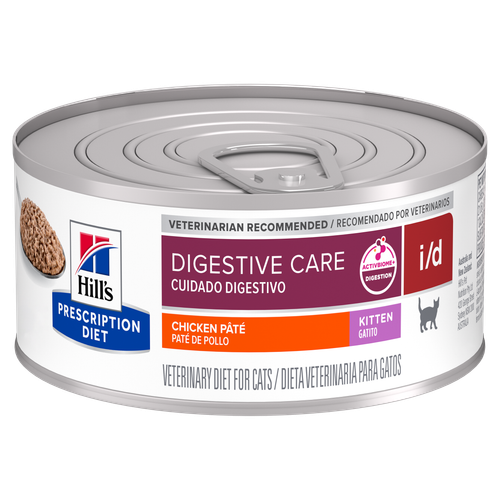
i/d Digestive Care Chicken Pâté Kitten Wet Food
Hill’s Prescription Diet i/d Wet Kitten Food is highly digestible, great-tasting nutrition, formulated to help manage digestive upsets. Made with chicken for a delicious taste. It’s formulated with Hill’s breakthrough ActivBiome+ Digestion, a proprietary blend of prebiotic fibers, clinically shown to rapidly activate the gut microbiome to support digestive health and overall well-being.

k/d Kidney Care with Chicken Dry Dog Food
Delicious clinically proven nutrition that helps protect vital kidney function and increase appetite
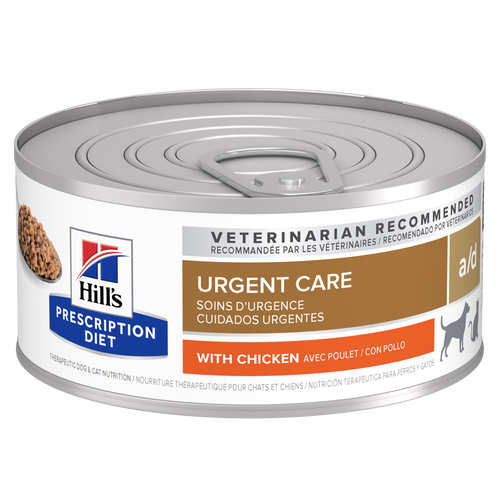
a/d Urgent Care with Chicken Wet Dog/Cat Food
Nutritional support that encourages eating for pets recovering from surgery, illness or injury
Related articles

How to Understand Your Cat's and Dog's Hierarchy of Needs
Pet Hierarchy of Needs: nutrition, safety, enrichment & play. Learn expert pet care tips to help your cat or dog thrive at every age.
Can Dogs and Cats Eat Butter?
Learn all about whether butter is safe for your dog or cat and what to do if they eat it.

How Much Does It Cost to Own a Pet in Australia?
From upfront costs to vet bills and pet insurance, discover what it really costs to own a dog or cat in Australia. Plan your pet budget with Hill's.
Creating a Safe Space for Your New Pet
Learn how to set up the perfect safe haven for your new dog or cat. Expert tips on location, essentials, and helping your pet adjust to their new Australian home.
Put your pet on a diet without them knowing
Our low calorie formula helps you control your pet's weight. It's packed with high-quality protein for building lean muscles, and made with purposeful ingredients for a flavorful, nutritious meal. Clinically proven antioxidants, Vitamin C+E, help promote a healthy immune system.
Put your pet on a diet without them knowing
Our low calorie formula helps you control your pet's weight. It's packed with high-quality protein for building lean muscles, and made with purposeful ingredients for a flavorful, nutritious meal. Clinically proven antioxidants, Vitamin C+E, help promote a healthy immune system.