


Bringing a dog into your home through adoption is one of the most rewarding experiences for both you and your new furry friend. Each year, thousands of dogs in Australia await their forever homes in shelters and rescue organisations. In Australia, since 1997, the Hill’s Pet Nutrition Food, Shelter & Love Program has provided local shelters with the life-changing nutrition they need to help homeless pets find forever homes. Our commitment goes beyond nutrition—we want to help you build a lasting bond with your adopted dog.
This comprehensive guide will walk you through everything you need to know about dog adoption—from preparation to long-term care—ensuring a smooth transition for both you and your new companion.
Preparing for Dog Adoption
Researching Dog Breeds and Their Needs
Before adopting, it's essential to understand which type of dog will fit best with your lifestyle:
Activity level: Consider how active you are. High-energy breeds like Border Collies or Kelpies need plenty of exercise, while breeds like Greyhounds often enjoy lounging at home despite their racing reputation.
Size considerations: Your living situation matters. Apartment dwellers might prefer smaller breeds, while those with larger properties might accommodate bigger dogs comfortably.
Age factors: Puppies require intensive training and supervision. Adult dogs often have established personalities and may already have some training. Senior dogs typically need less exercise but might have special health needs.
Coat type: Different coats require different grooming commitments. Long-haired breeds need regular brushing, while short-coated dogs typically require less maintenance.
Remember that mixed-breed dogs often combine wonderful traits from different breeds and can make exceptionally loyal companions.

Understanding the Adoption Process
In Australia, you can adopt dogs from various sources:
RSPCA shelters: As Australia's leading animal welfare organisation, the RSPCA has shelters nationwide with dogs of all ages and breeds.
Local rescue groups: Specialised groups often focus on specific breeds or dog types.
Council pounds: Local council facilities frequently have dogs in need of homes.
The adoption process typically involves:
Browsing available dogs (online or in person)
Completing an application form
Meeting potential matches
Home checks (in some cases)
Paying adoption fees (which usually cover initial veterinary care)
Most adoption fees range from $200-$700, which typically includes desexing, microchipping, vaccination, and sometimes parasite treatment.
A successful adoption requires everyone's commitment. Before bringing your new dog home, gather the family to discuss responsibilities and ensure all household members understand what dog ownership entails. Clearly assign specific roles for feeding, walking, and training to prevent confusion and ensure consistent care. If you have children, teach them appropriate dog handling and the importance of respecting the animal's space.These preparations create a supportive environment for a smooth transition.


Tasty Tips
Bringing Your New Dog Home
The journey home marks the beginning of your life together. Secure your dog properly in your vehicle using a specially designed dog seat belt for safety. When you arrive home, maintain a calm atmosphere by limiting visitors during the first few days, giving your new companion time to adjust without feeling overwhelmed. Set realistic expectations—your dog may appear nervous or shy initially, which is completely normal as they process this major life change. Before arrival, prepare a quiet area with a comfortable bed, water, and a few toys where your dog can retreat when they need space.
Introducing Your Dog to Its New Environment
Gradual introductions: Show your dog one room at a time rather than allowing full house access immediately.
Meeting other pets: Arrange controlled, neutral-ground introductions with existing pets. Keep these meetings positive and brief initially.
Family introductions: Have family members sit quietly and allow the dog to approach them. Avoid crowding or overwhelming your new pet.
Establishing a Routine
Dogs thrive on consistency, finding security and comfort in knowing what to expect throughout their day, which reduces anxiety and builds confidence in their new environment.To create the predictable structure your dog needs to feel secure, start by establishing the following:
Regular feeding times: Establish set meal times from day one.
Toilet breaks: Take your dog outside frequently, especially after meals, naps, and play sessions.
Sleep schedule: Create a consistent bedtime routine to help your dog settle.
Exercise patterns: Regular walks and play sessions help burn energy and reduce problem behaviours.
What to Buy When Adopting a Dog
Essential Supplies
Before bringing your dog home, make sure to gather these basics to provide immediate comforts and necessities:
Quality food: Choose age-appropriate nutrition like Hill's Science Diet, which provides balanced nutrition for dogs at all life stages.
Properly sized bed: Your dog needs a comfortable place to rest. Consider your dog's size and sleeping style when selecting a bed.
Appropriate toys: Include a variety of toys for mental stimulation and physical play. Puzzle toys can keep your dog entertained when you're busy.
Food and water bowls: Stainless steel bowls are durable and easy to clean.
Safety and Health Products
Collar with ID tag: Even microchipped dogs should wear visible identification.
Leash and harness: A 1.8-2m leash provides good control for walks. Front-clip harnesses can help reduce pulling in excitable dogs.
Dog-proofing supplies: Similar to child-proofing, secure dangerous items and block access to hazardous areas.
First aid basics: Prepare for minor injuries with dog-safe antiseptic, bandages, and tweezers.
Hygiene and Grooming Tools
Appropriate brushes: Select tools suited to your dog's coat type.
Nail clippers or grinder: Regular nail maintenance prevents discomfort and mobility issues.
Dog-specific shampoo: Human products can irritate a dog's skin.
Dental care items: Tooth brushes and dog-specific toothpaste help maintain oral health if tolerated.
Bringing Your New Dog Home
The journey home marks the beginning of your life together. Secure your dog properly in your vehicle using a specially designed dog seat belt for safety. When you arrive home, maintain a calm atmosphere by limiting visitors during the first few days, giving your new companion time to adjust without feeling overwhelmed. Set realistic expectations—your dog may appear nervous or shy initially, which is completely normal as they process this major life change. Before arrival, prepare a quiet area with a comfortable bed, water, and a few toys where your dog can retreat when they need space.
Introducing Your Dog to Its New Environment
Gradual introductions: Show your dog one room at a time rather than allowing full house access immediately.
Meeting other pets: Arrange controlled, neutral-ground introductions with existing pets. Keep these meetings positive and brief initially.
Family introductions: Have family members sit quietly and allow the dog to approach them. Avoid crowding or overwhelming your new pet.
Establishing a Routine
Dogs thrive on consistency, finding security and comfort in knowing what to expect throughout their day, which reduces anxiety and builds confidence in their new environment.To create the predictable structure your dog needs to feel secure, start by establishing the following:
Regular feeding times: Establish set meal times from day one.
Toilet breaks: Take your dog outside frequently, especially after meals, naps, and play sessions.
Sleep schedule: Create a consistent bedtime routine to help your dog settle.
Exercise patterns: Regular walks and play sessions help burn energy and reduce problem behaviours.
Settling In and Training
Basic Training Techniques
Positive reinforcement builds a strong relationship, creating a foundation of trust and communication where your dog eagerly responds to guidance because they associate training with rewards and pleasant experiences. To implement effective positive training techniques, focus on the following:
House training: Consistent schedules and positive reinforcement when your dog toilets outside are key.
Basic commands: Start with simple commands like sit, stay, and come. Keep sessions short and fun.
Reward-based methods: Treats, praise, and play are powerful motivators. Never use punishment, which can damage trust.
Socialisation
Proper socialisation helps develop a confident, well-adjusted dog. To effectively socialise your newly adopted dog, focus on the following:
Dog introductions: Arrange controlled meetings with friendly, vaccinated dogs.
People meetings: Expose your dog to different types of people (children, men with beards, people with hats, etc.) in positive contexts.
Environmental exposure: Gradually introduce your dog to different sounds, surfaces, and experiences.
Handling Common Behavioural Issues
Separation anxiety: Gradually build your dog's comfort with being alone through short absences.
The 3-3-3 rule: Many rescue dogs follow a pattern—3 days to decompress, 3 weeks to learn routines, and 3 months to feel fully at home.
Resource guarding: If your dog guards food or toys, consult a positive reinforcement trainer for help.
Excessive barking: Identify triggers and redirect your dog to more appropriate behaviours.

Health and Nutrition
Choosing the Right Diet
Proper nutrition forms the foundation of your dog's health, providing essential nutrients to support optimal body function, immune response, energy levels, coat condition, and organ health. To establish healthy eating habits for your adopted dog, consider these guidelines:
Life stage formulations: Puppies, adults, and seniors have different nutritional needs. Hill's Science Diet offers formulations specifically designed for each life stage.
Special considerations: Some dogs have sensitivities that require specialised diets. Hill's Science Diet Sensitive Stomach & Skin formula can help dogs with digestive or skin issues.
Feeding guidelines: Follow package recommendations based on your dog's weight, adjusting as needed to maintain healthy body condition.
Regular Veterinary Care
Establish a relationship with a vet immediately, connecting your dog with professional medical care that ensures proper health assessment, preventative treatments, vaccination schedules, and creates a familiar medical home where your pet's health history is known and monitored. To make the most of veterinary care for your adopted dog, follow these recommendations:
Initial check-up: Schedule a visit within the first week, even if the shelter provided recent care.
Vaccination schedule: Ensure all vaccinations are up-to-date and understand which ones need regular boosters.
Parasite prevention: Maintain regular flea, tick, and worm preventative treatments.
Dental care: Regular check-ups help maintain oral health and prevent painful conditions.
Recognising Signs of Illness
Early detection is crucial for effective treatment, allowing health issues to be addressed when they're most manageable and before they develop into serious or chronic conditions. To monitor your dog's health effectively, watch for these important signs:
Behaviour changes: Lethargy, increased aggression, or withdrawal can indicate pain or illness.
Physical symptoms: Vomiting, diarrhoea, coughing, or limping require attention.
When to seek help: Contact your vet immediately for symptoms like difficulty breathing, collapse, or inability to urinate.

Long-term Care and Bonding
Building a Strong Bond
The relationship with your dog deepens over time, evolving from initial curiosity and cautious interaction into a profound bond characterised by mutual understanding, trust, and emotional connection. To nurture this special bond with your adopted dog, prioritise these elements:
Quality time: Regular one-on-one play, training, and cuddle sessions strengthen your connection.
Communication: Learn to read your dog's body language to understand their needs and feelings.
Consistency: Reliable care builds trust and security.
Ongoing Training and Activities
Mental and physical stimulation keep your dog healthy and happy, engaging their natural instincts for problem-solving, exploration, and movement that prevent boredom-related behavioral issues. To provide comprehensive enrichment for your adopted dog, incorporate these activities:
Continued learning: Even older dogs enjoy learning new tricks and commands.
Enrichment activities: Puzzle toys, scent games, and new experiences prevent boredom.
Physical exercise: Regular activity maintains weight and mental well-being.
Adopting a dog creates a bond that enriches both your lives immeasurably. Through Hill's partnership with shelter partners, we're committed to supporting shelter dogs and their new families throughout this journey. By providing proper care, nutrition, and training, you're giving your adopted dog the best chance at a happy, healthy life.
Remember that adjustment takes time. Some dogs settle in quickly, while others may need months to fully adapt to their new home. Patience, consistency, and love will help your new companion thrive. If you're considering adoption, visit your local RSPCA or rescue organisation to meet dogs looking for their forever homes. Your perfect match may be waiting right now.

Related products

Adult 6+ Large Breed Chicken Meal, Barley & Rice Recipe Dog Food
Supports energy level, joint health, and beautiful coat in large breed mature dogs
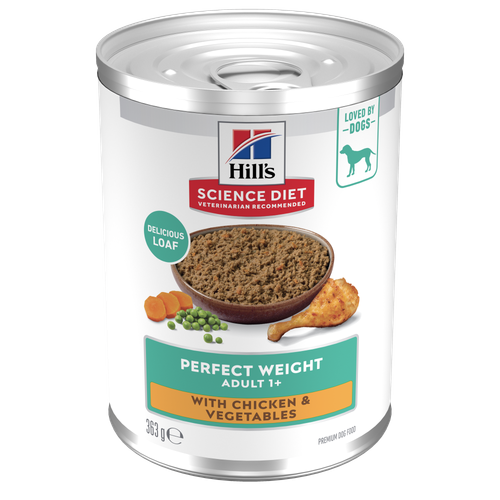
Perfect Weight Adult Wet Dog Food
Over 70% of dogs lost weight within 10 weeks when fed this nutrition
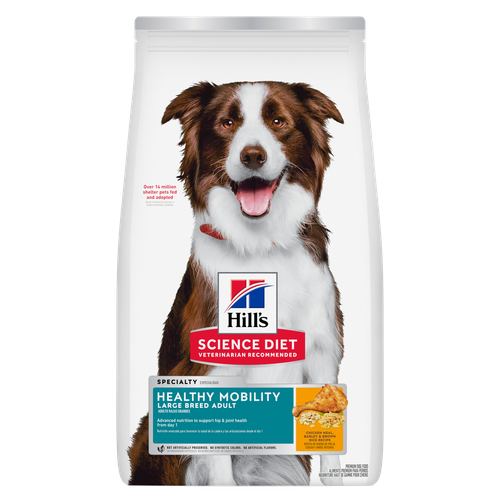
Healthy Mobility Large Breed Chicken Meal, Barley & Brown Rice Recipe Dog Food
Advanced nutrition shown to support joint health and improve mobility

Adult Perfect Weight & Joint Support Chicken & Brown Rice Recipe Dog Food
This weight management and mobility support dog food was created with Hill’s unique understanding of the biology of overweight dogs.
Related articles
How Much Does It Cost to Own a Pet in Australia?
From upfront costs to vet bills and pet insurance, discover what it really costs to own a dog or cat in Australia. Plan your pet budget with Hill's.

Creating a Safe Space for Your New Pet
Learn how to set up the perfect safe haven for your new dog or cat. Expert tips on location, essentials, and helping your pet adjust to their new Australian home.
Can Dogs and Cats Eat Butter?
Learn all about whether butter is safe for your dog or cat and what to do if they eat it.

How to Understand Your Cat's and Dog's Hierarchy of Needs
Pet Hierarchy of Needs: nutrition, safety, enrichment & play. Learn expert pet care tips to help your cat or dog thrive at every age.
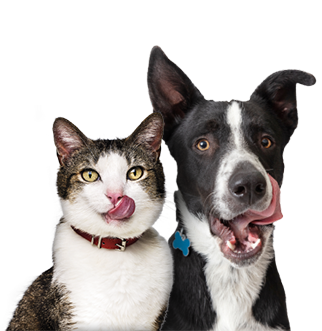
Put your pet on a diet without them knowing
Our low calorie formula helps you control your pet's weight. It's packed with high-quality protein for building lean muscles, and made with purposeful ingredients for a flavorful, nutritious meal. Clinically proven antioxidants, Vitamin C+E, help promote a healthy immune system.
Put your pet on a diet without them knowing
Our low calorie formula helps you control your pet's weight. It's packed with high-quality protein for building lean muscles, and made with purposeful ingredients for a flavorful, nutritious meal. Clinically proven antioxidants, Vitamin C+E, help promote a healthy immune system.