


Discovering your pet has diabetes can be an overwhelming feeling. The good news is that with proper care and management, dogs and cats with diabetes can lead happy, active lives. Diabetes mellitus affects many dogs and cats in Australia, making it a common endocrine disorder in our pets. While there's no cure, understanding how to manage this condition effectively can make all the difference in your pet's quality of life.
Understanding Diabetes in Pets
Diabetes mellitus occurs when your pet's body cannot properly produce or respond to insulin, the hormone that helps cells absorb glucose from the bloodstream for energy.
There are two main types of diabetes affecting pets:
Type 1 Diabetes: Involves destruction of insulin-producing cells in the pancreas. Dogs typically develop this type, requiring lifelong insulin therapy.
Type 2 Diabetes: Involves insulin resistance, where the body produces insulin but cannot use it effectively. Cats more commonly develop this type, similar to Type 2 diabetes in humans.
The key difference between diabetes in dogs and cats lies in treatment response. Dogs almost always require insulin injections for life. Cats, interestingly, can sometimes achieve diabetic remission with proper treatment, particularly if diagnosed early.
Common risk factors include:
Age (middle-aged to older pets)
Obesity
Genetics and breed predispositions
Chronic pancreatitis
Certain medications (like corticosteroids)
Recognising the Signs and Symptoms
Early detection of diabetes can significantly improve management outcomes and quality of life for your pet. Being familiar with the warning signs allows you to seek veterinary care promptly which can potentially reduce complications. Here are the signs to look out for in both dogs and cats.
Signs of Diabetes in Dogs
Excessive thirst and urination
Increased appetite with weight loss
Lethargy
Cloudy eyes: Cataracts develop in about 75% of diabetic dogs
Signs of Diabetes in Cats
Increased thirst and urination
Weight loss despite normal or increased appetite
Lethargy or decreased activity
Poor coat condition
If you notice these symptoms, consult your veterinarian immediately. Early intervention is key to successful management.
Diagnosis Process
Your veterinarian will conduct several tests to confirm diabetes, as the symptoms can sometimes resemble other conditions. The diagnostic process typically involves the following:
Blood Tests: Measuring blood glucose levels and overall health parameters.
Urine Tests: Checking for glucose and ketones in the urine.
Fructosamine Test: Providing information about average blood glucose levels over the previous 2-3 weeks.
After diagnosis, your vet may perform a glucose curve to determine appropriate insulin dosage and frequency.


Tasty Tips
Exercise and Weight Management
Regular physical activity is a vital but often overlooked component of diabetes management that provides multiple benefits for diabetic pets. Physical activity helps improve insulin sensitivity, support healthy weight management, and enhance overall wellbeing, all of which contribute to better glucose control.
For dogs, aim for consistent daily exercise rather than occasional intense activity. For cats, encourage daily play sessions with interactive toys. If your pet is overweight, a controlled weight loss plan under veterinary supervision can improve insulin sensitivity. However, rapid weight loss can destabilise blood glucose control, so gradual approaches are safer.

Living with a Diabetic Pet
With the right approach, caring for a diabetic pet becomes a manageable routine that can be integrated into your daily life. Establish a consistent schedule for:
Insulin injections
Feeding times
Exercise
Monitoring
When you need to be away, arrange for a trusted person who can confidently administer insulin, or consider boarding facilities with veterinary supervision for longer absences. Always provide written instructions and emergency contact information, including your vet's details, to ensure your pet receives proper care even when you're not present.
Managing diabetes in dogs and cats requires commitment, but the reward is a pet who can live a comfortable, happy life. Most diabetic pets maintain an excellent quality of life with proper management. Many live for years after diagnosis with minimal complications. The life expectancy for a well-managed diabetic pet is often similar to non-diabetic pets of the same age.
Each diabetic pet is unique, and management plans often require adjustment over time. Work closely with your veterinarian to develop the approach that works best for your pet.

Related products
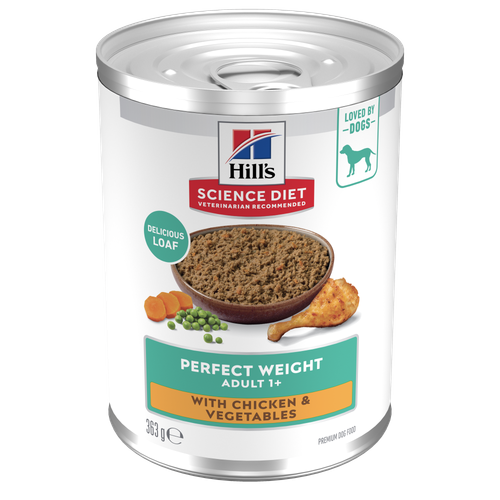
Perfect Weight Adult Wet Dog Food
Over 70% of dogs lost weight within 10 weeks when fed this nutrition

Adult 6+ Large Breed Chicken Meal, Barley & Rice Recipe Dog Food
Supports energy level, joint health, and beautiful coat in large breed mature dogs

Adult Perfect Weight & Joint Support Chicken & Brown Rice Recipe Dog Food
This weight management and mobility support dog food was created with Hill’s unique understanding of the biology of overweight dogs.
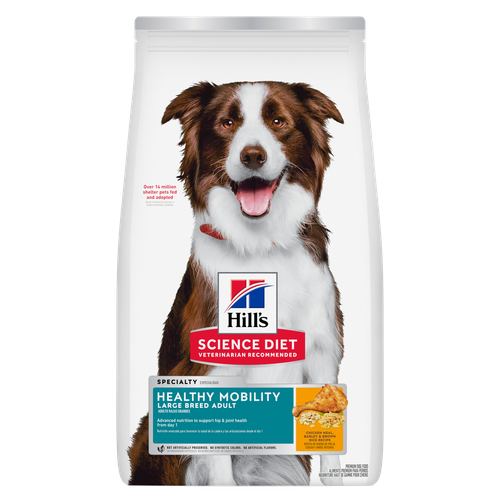
Healthy Mobility Large Breed Chicken Meal, Barley & Brown Rice Recipe Dog Food
Advanced nutrition shown to support joint health and improve mobility
Related articles

Can Dogs and Cats Eat Butter?
Learn all about whether butter is safe for your dog or cat and what to do if they eat it.

How Much Does It Cost to Own a Pet in Australia?
From upfront costs to vet bills and pet insurance, discover what it really costs to own a dog or cat in Australia. Plan your pet budget with Hill's.

How to Understand Your Cat's and Dog's Hierarchy of Needs
Pet Hierarchy of Needs: nutrition, safety, enrichment & play. Learn expert pet care tips to help your cat or dog thrive at every age.

Creating a Safe Space for Your New Pet
Learn how to set up the perfect safe haven for your new dog or cat. Expert tips on location, essentials, and helping your pet adjust to their new Australian home.
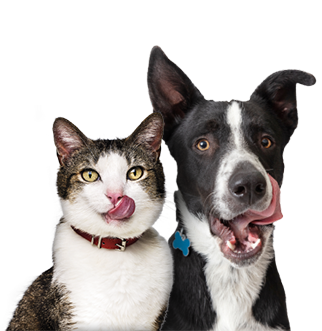
Put your pet on a diet without them knowing
Our low calorie formula helps you control your pet's weight. It's packed with high-quality protein for building lean muscles, and made with purposeful ingredients for a flavorful, nutritious meal. Clinically proven antioxidants, Vitamin C+E, help promote a healthy immune system.
Put your pet on a diet without them knowing
Our low calorie formula helps you control your pet's weight. It's packed with high-quality protein for building lean muscles, and made with purposeful ingredients for a flavorful, nutritious meal. Clinically proven antioxidants, Vitamin C+E, help promote a healthy immune system.