


If you have kids heading back to school, be sure to pause somewhere in between choreographing school pickups and drop-offs and stocking up on school supplies to consider how this new schedule will affect your pets. After an entire summer of basking in your kids' presence and enjoying extended family time, suddenly leaving your dog home alone is bound to upset him, and he's not the only one. Leaving a cat alone can also result in anxiety and depression. Read on for tips on helping your pets cope with the new school year.
Separation Anxiety
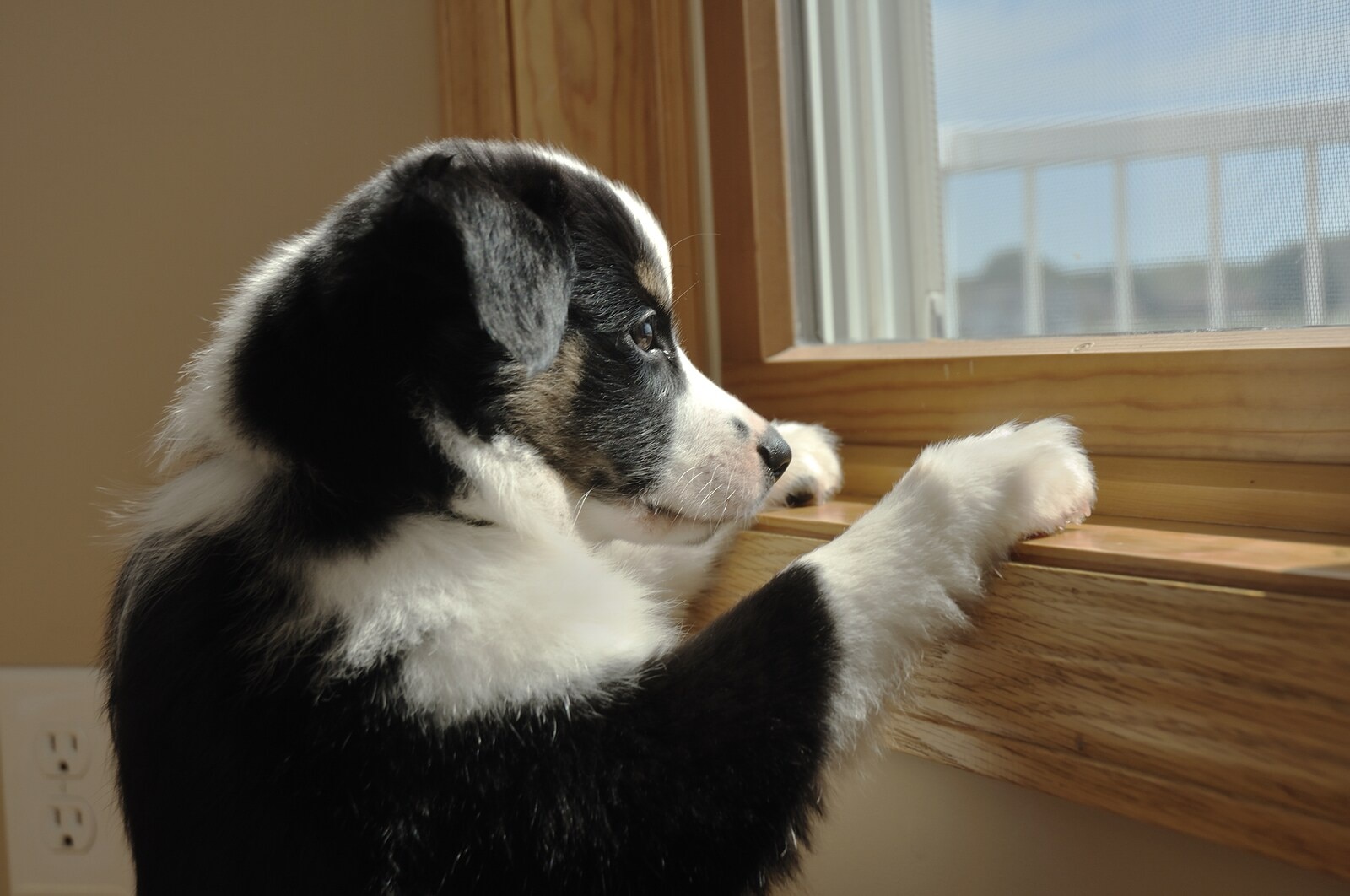 Dogs are particularly at risk during the back-to-school season for developing separation anxiety: a disorder characterized by digging and scratching in an attempt to escape, excessive howling and whining, destructive chewing, a lapse in potty training and overall just a change in mood. Major change to the family routine is a potential trigger for this disorder. So is suddenly leaving your dog home alone after he's gotten used to constant human companionship.
While healthy, well-adjusted cats are less prone to separation anxiety under these circumstances, at-risk cats, which include those with a history of abandonment, trauma, abuse, or being passed between multiple owners, are vulnerable to this disorder, says PetMD. Cats or kittens that have an especially strong bond with your child may also be at risk once their favorite person disappears for hours at a time. In cats, separation anxiety often looks like trembling, withdrawing, hiding and trying to escape, loss of appetite, change in mood, and an upset stomach resulting in diarrhea.


Tasty Tips
Easing the Transition
You can help your pets avoid separation anxiety by easing them into the new schedule. The American Society for the Prevention of Cruelty to Animals (ASPCA) recommends that you begin with short absences to get your pet comfortable with the idea of you leaving, and gradually lengthening these absences during the weeks leading up to the new schedule. Pets, especially dogs, tend to take their emotional cues from their pet parents, so it's important to stay calm and not to make a big deal about leaving or saying goodbye. If you're concerned about destructive behavior or house soiling, you might also want to consider crate training. Again, this is something that should be eased into gradually, giving your pet plenty of time to acclimate to the idea.
Helping Pets Cope
You can also use toys and treats to distract your pet from your absence. The ASPCA suggests giving your dog a food-stuffed toy filled with his favorite dog treats that will keep his focus during the first half-hour or so of your absence. By putting this toy away when you get home and only giving it to him when you leave, the ASPCA says this will also signal to him that your departure is "safe" and he can count on your return. Cats can also benefit from toys to distract and entertain them while the family is gone. A window perch with a view of a birdhouse or other wildlife will also help to keep your kitty happy. Hiding pieces of dry cat food around the house is also an excellent way to keep her busy and distract her from missing her family.
Once the family is back together in the evenings, be sure to shower attention on your pets to reassure them that they're not forgotten. It's also important to provide them with plenty of exercise, which will also help them stay calm and relaxed during the day.
If you try these tips and your pet still shows signs of anxiety or depression once the new schedule starts, talk to your veterinarian. He or she may recommend a number of treatment options to help your pet, ranging from behavior training to pheromone treatment to anti-anxiety medication.
Hopefully, by being mindful of your pet's emotional state while preparing for the school year, the entire family will transition smoothly into the new schedule, your four-legged family members included.

Related products
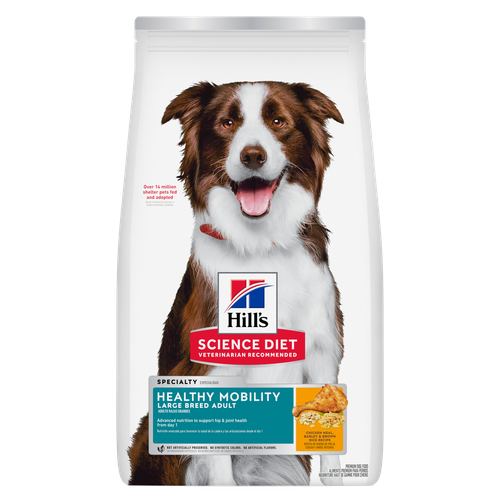
Healthy Mobility Large Breed Chicken Meal, Barley & Brown Rice Recipe Dog Food
Advanced nutrition shown to support joint health and improve mobility
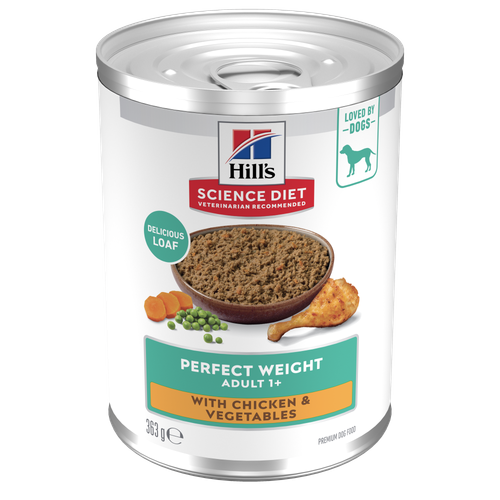
Perfect Weight Adult Wet Dog Food
Over 70% of dogs lost weight within 10 weeks when fed this nutrition

Adult 6+ Large Breed Chicken Meal, Barley & Rice Recipe Dog Food
Supports energy level, joint health, and beautiful coat in large breed mature dogs

Adult Perfect Weight & Joint Support Chicken & Brown Rice Recipe Dog Food
This weight management and mobility support dog food was created with Hill’s unique understanding of the biology of overweight dogs.
Related articles
Creating a Safe Space for Your New Pet
Learn how to set up the perfect safe haven for your new dog or cat. Expert tips on location, essentials, and helping your pet adjust to their new Australian home.

How to Understand Your Cat's and Dog's Hierarchy of Needs
Pet Hierarchy of Needs: nutrition, safety, enrichment & play. Learn expert pet care tips to help your cat or dog thrive at every age.
How Much Does It Cost to Own a Pet in Australia?
From upfront costs to vet bills and pet insurance, discover what it really costs to own a dog or cat in Australia. Plan your pet budget with Hill's.
Can Dogs and Cats Eat Butter?
Learn all about whether butter is safe for your dog or cat and what to do if they eat it.
Put your pet on a diet without them knowing
Our low calorie formula helps you control your pet's weight. It's packed with high-quality protein for building lean muscles, and made with purposeful ingredients for a flavorful, nutritious meal. Clinically proven antioxidants, Vitamin C+E, help promote a healthy immune system.
Put your pet on a diet without them knowing
Our low calorie formula helps you control your pet's weight. It's packed with high-quality protein for building lean muscles, and made with purposeful ingredients for a flavorful, nutritious meal. Clinically proven antioxidants, Vitamin C+E, help promote a healthy immune system.