


Crate training an older dog might be something you find yourself doing from scratch. Whether you've rescued an adult dog that was never trained to go in a crate or you simply never got around to crate training your pooch when he was a young pup, this lack of training can make things stressful for the both of you when you're suddenly faced with a need to keep your dog in one place for an hour or so. If you find yourself in this boat, read on to learn how to crate train an older dog.
Reasons for Crate Training an Older Dog
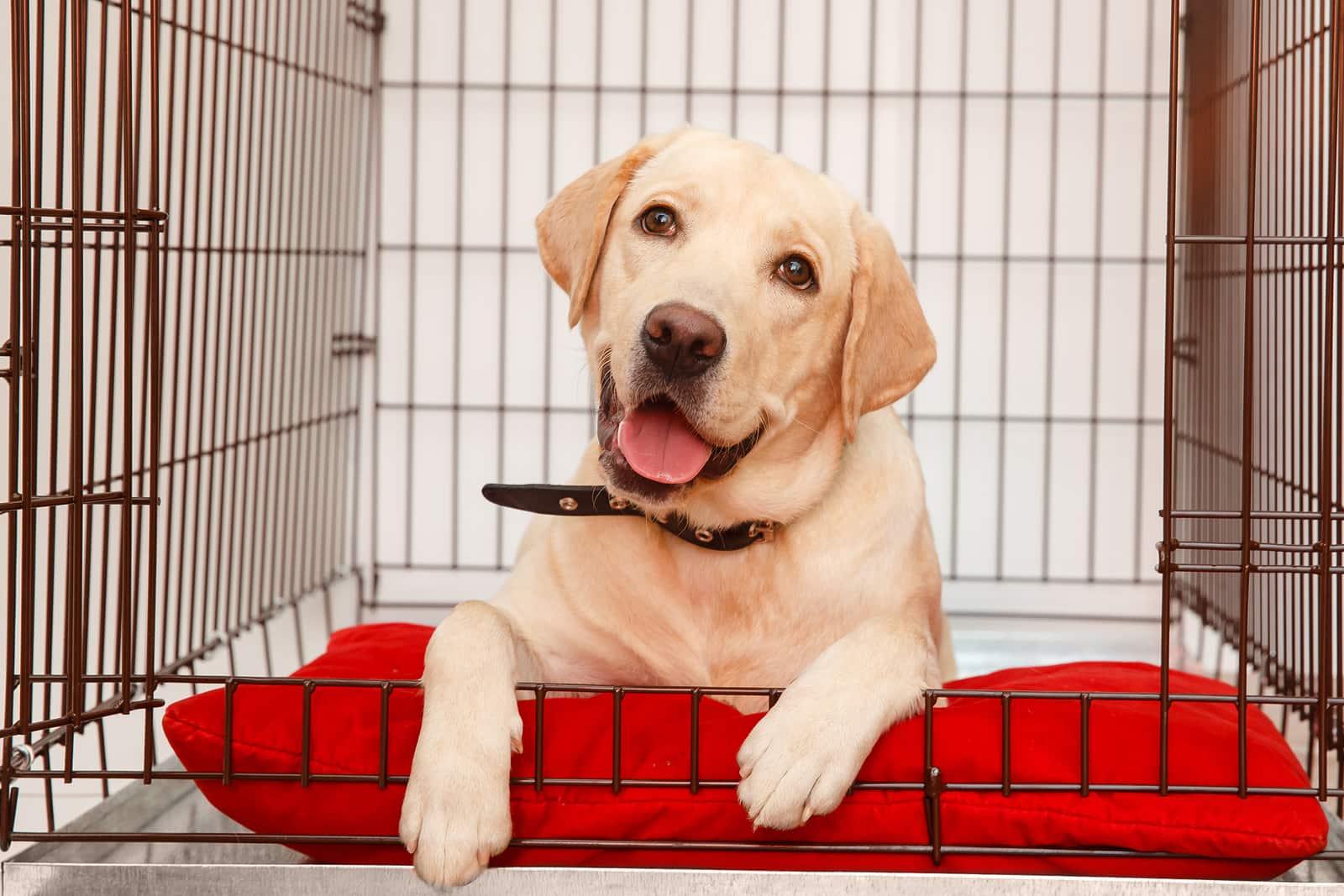 While some pet parents see crate training in a positive light, others may have reservations about crating their dogs. No matter which dog crate camp you belong to, there are a number of good reasons to crate train an older dog, says Rover.com. Here are just a few:
- Safety and preparedness for emergencies and natural disasters
- Safe transportation and easier travel with your pooch
- Easier and safer trips to the veterinarian
- Confinement during illness or injury recovery
- To provide a safe space in stressful situations
However you may personally feel about dog crates, the fact is that in an emergency your dog is often safer in a crate than he would be in a harness or simply left on his own. It's important to remember that, while there may be exceptions for dogs with traumatic backgrounds, generally dogs don't share the negative associations we humans attach to crates. And for those that do, those negative associations can be turned into positive ones.
Challenges of Training Older Dogs
The phrase "you can't teach a old dog new tricks" is patently untrue. Older dogs are most certainly capable of learning new things, but training them can be more challenging than crate training a puppy! For puppies, everything is new and exciting, and they haven't become attached to routines. Older dogs, on the other hand, are creatures of habit, and sometimes it's necessary to help them unlearn old habits before they can learn new ones. The key is to be patient. It might take a lot of repetition and practice, but eventually your older pooch will rise to the occasion.
On the other hand, a calmer, older dog might appreciate the cozy hideaway of a crate more than a puppy would. Choose a low-traffic, quiet location for the crate so he can escape to it for a nap during your next holiday party or loud day with the kids.


Tasty Tips
How to Crate Train an Older Dog
Follow these steps to turn the crate into a positive experience for your older pup:
- Prepare the crate. Select a crate that's large enough for your dog to comfortably lie down, stand up,and turn around in, says Rover. Place a comfy blanket inside to make it more enticing, and leave it sitting with the door open in a spot where your dog can see it and check it out, allowing him to get used to it before you begin.
- Prepare yourself. Set aside any negative feelings you have about placing your dog in a crate. Dogs are extremely sensitive to our emotions, and if you're stressed about crating your dog, he will be too. Don't begin training until you can do it from a calm, relaxed and happy place.
- Prepare your dog. Preventive Vet recommends giving your dog some exercise before a training session, both to burn off excess energy so he'll be relaxed and to allow him a chance to relieve himself so he won't be distracted by the need for a bathroom break.
- Build positive associations. Begin by placing treats and maybe a favorite toy or two near the opening of the crate. Praise your dog when he goes near the opening to retrieve an object or treat.
- Entice your dog inside. Once he's comfortable with getting close to the crate's opening, begin placing treats and toys inside. You might even try placing his food and water bowls inside the crate. Start by placing them at the front of the crate, and gradually move them toward the back until your dog completely enters the crate on his own.
- Try closing the door. Start by closing it just for a second before opening it and letting him out again. This will show your dog that he can trust you to let him out again. Repeat this until he remains calm when the door is closed, and then increase the time by a few seconds. Keep repeating, gradually adding on a few seconds at a time. Once he starts making himself comfortable inside the crate, practice leaving the door closed for a few minutes at a time, gradually working up to an hour or more.
If your dog panics or becomes agitated, stop, let him out, and take a break. Don't be surprised if you have setbacks and need to start over from an earlier step or even from the beginning. Once your dog is willing to remain in the crate, unless he needs to stay in it overnight, don't leave him in it for more than a few hours at a time. Tiny dogs and senior dogs with small or weak bladders shouldn't remain crated for longer than they're able to hold the urge to use the bathroom.
Regardless of whether you plan to crate your dog regularly, crate training your older dog and reinforcing that training with regular practice will prepare him for those times when a crate is necessary. With proper training, the right attitude,= and a lot of patience, a dog crate can be a positive and even soothing experience for your pet.

Related products

Adult Perfect Weight & Joint Support Chicken & Brown Rice Recipe Dog Food
This weight management and mobility support dog food was created with Hill’s unique understanding of the biology of overweight dogs.
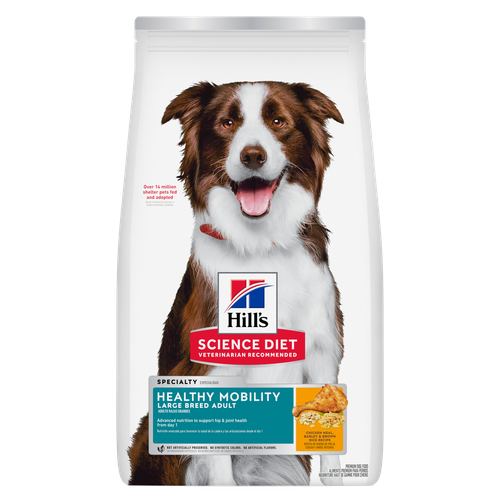
Healthy Mobility Large Breed Chicken Meal, Barley & Brown Rice Recipe Dog Food
Advanced nutrition shown to support joint health and improve mobility

Adult 6+ Large Breed Chicken Meal, Barley & Rice Recipe Dog Food
Supports energy level, joint health, and beautiful coat in large breed mature dogs
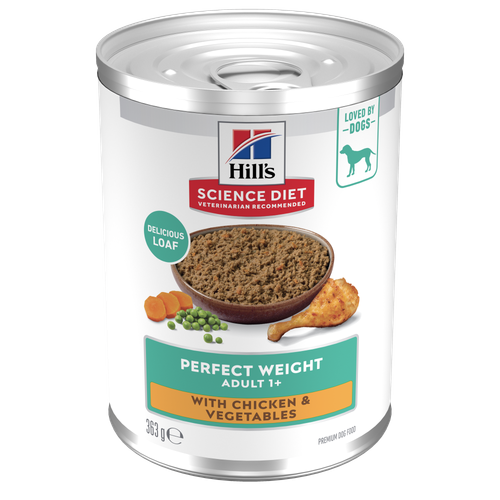
Perfect Weight Adult Wet Dog Food
Over 70% of dogs lost weight within 10 weeks when fed this nutrition
Related articles
What to Feed Your Pregnant or Nursing Dog
Learn what you can feed your pregnant or nursing dog to keep her and her new pups healthy.
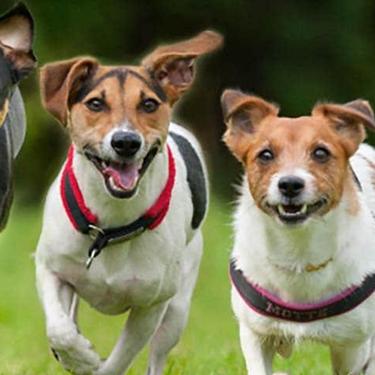
Hill's Puppy Food: Quality Ingredients for Health & Nutrition
Selecting the right food for your puppy is a key to quality nutrition and a long, healthy life., Learn more about how to select the right puppy food.
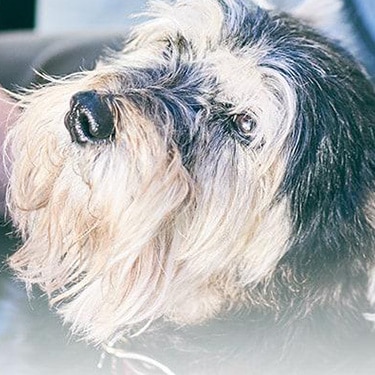
Helpful Tips for Exercising with Your Dog
Though it may seem like your four-legged friend loves nothing more than to nap on the couch, dogs need regular exercise to stay healthy just like people do.
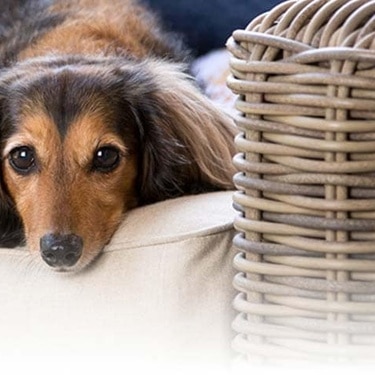
Things You Can Do to Help Your Dog's Sensitive Stomach
A dog with a sensitive stomach has special needs. Learn more about sensitive stomach symptoms in your dog, what you can do to help sooth your pet’s insides and get recommendations on sensitive stomach dog food.
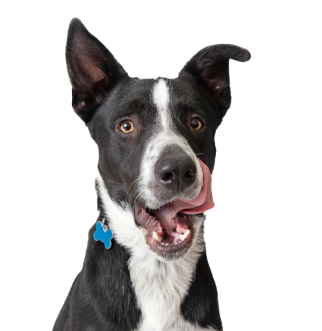
Put your dog on a diet without them knowing
Our low calorie formula helps you control your dog's weight. It's packed with high-quality protein for building lean muscles, and made with purposeful ingredients for a flavorful, nutritious meal. Clinically proven antioxidants, Vitamin C+E, help promote a healthy immune system.
Put your dog on a diet without them knowing
Our low calorie formula helps you control your dog's weight. It's packed with high-quality protein for building lean muscles, and made with purposeful ingredients for a flavorful, nutritious meal. Clinically proven antioxidants, Vitamin C+E, help promote a healthy immune system.