


Taking your dog to the veterinarian can be an ordeal under the best circumstances. If you're dealing with a dog that's scared of vet visits, checkups can be as stressful for you as they are for your pup. It can be enough to tempt you to skip the annual appointment and reserve the vet's office for emergencies. But annual wellness checks are an important part of your dog's healthcare. If your dog hates going to the vet, keep reading. Here are some tips to make vet visits go a lot more smoothly for both you and your pooch.
Socialize Your Pup
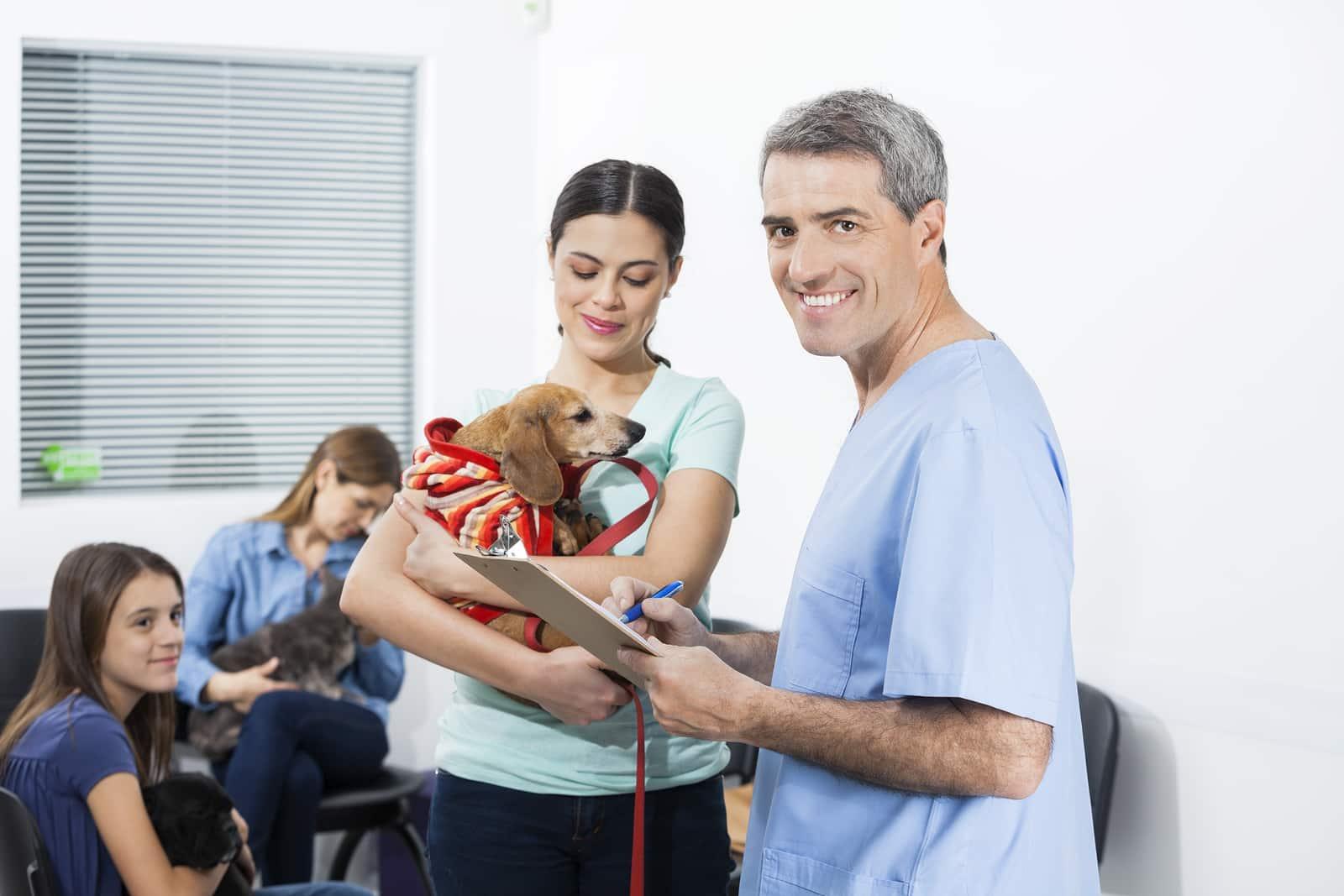 Ideally, puppies should become socialized between seven weeks and four months of age. This is the period of development during which a dog's personality is formed, and the more a puppy sees, hears, smells and experiences during this time, the less fearful he'll be as an adult. If you're dealing with an older dog scared of vet appointments, it could be that he wasn't properly socialized during this critical time frame, or it could simply be that he acquired negative associations with going to the vet as a puppy. Either way, it's never too late to start getting your dog used to new sights, sounds and situations. Seize every opportunity to introduce him to new people, pets and experiences. If your dog becomes fearful and aggressive, you may need to use a muzzle until his fear response goes away. You can also talk to your vet to see if he or she has any methods for acclimating your dog to the environment that has worked for other dogs in the past.
Desensitize Your Dog to Touch
It's inevitable that your pooch will be held, poked and prodded when at the vet, which can be especially scary if he's not used to it. Animal Behavior College recommends spending time handling your dog and getting him used to being touched all over. Once he's relaxed, begin by gently handling his ears and paws, touching his lips and opening his mouth. Reward him with treats and plenty of praise as you go to help create positive associations with being handled.


Tasty Tips
Make Car Rides No Big Deal
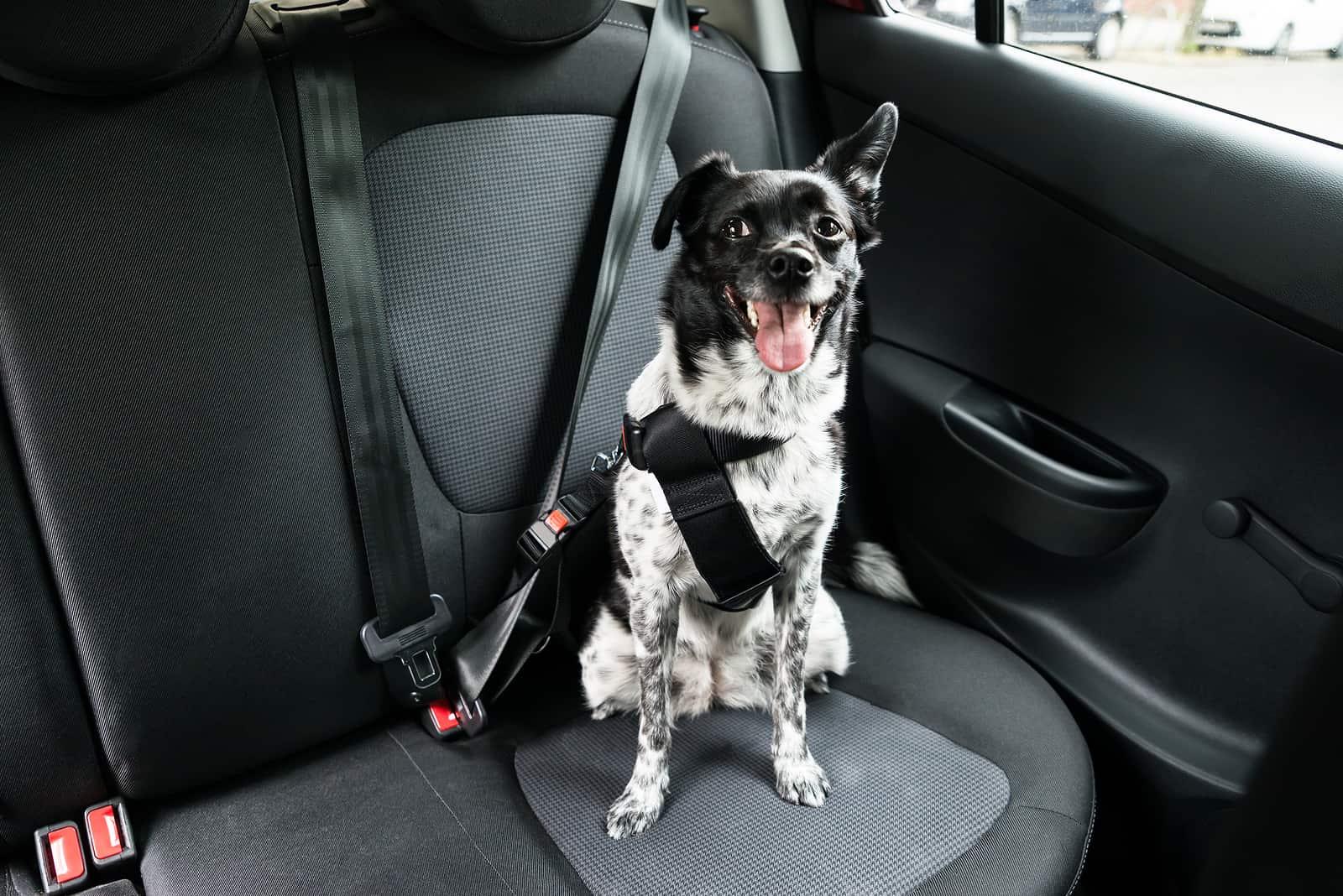 For many dogs, a stressful vet visit begins with getting into the car. This is because trips to the vet may be the only time they ever travel by car. You can help your dog be more relaxed at the vet by making car rides fun. Start with short trips around the block. Then, work up to going to fun places like the dog park or the pet store. Be sure to provide plenty of positive reinforcement along the way. Once car trips start having happy endings for your pup, he'll most likely begin looking forward to hopping in for a ride. Always make sure to follow proper car safety for your dog too, to make him comfortable and safe; this can help ease any extra anxiety he might get.
Make the Vet Fun
Just as you can change your dog's associations with car rides from bad to good, you can do the same with the vet's office by taking him there for social calls between appointments. Call ahead and give the staff a heads up before you visit, and try to go at a time that's typically not busy so the doctors and techs will have time to shower your dog with attention. The AKC adds that it's a good idea to spend a few minutes just hanging out in the waiting room, allowing your dog to watch the other pets coming and going and to get used to the sounds and smells. Be sure to reward him when he's calm and relaxed, and ignore whining or anxious behavior.
Let's face it: there are some aspects of going to the vet that will never be fun for your dog. But if you're willing to work diligently to help your pup overcome his fear, he'll feel safer and more relaxed, making vet visits a much more pleasant experience for both of you.

Related products
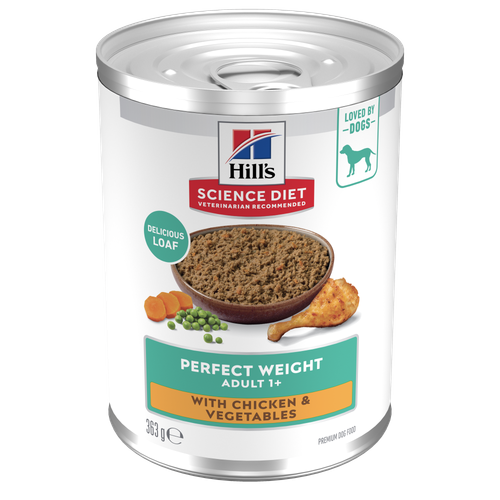
Perfect Weight Adult Wet Dog Food
Over 70% of dogs lost weight within 10 weeks when fed this nutrition

Adult 6+ Large Breed Chicken Meal, Barley & Rice Recipe Dog Food
Supports energy level, joint health, and beautiful coat in large breed mature dogs
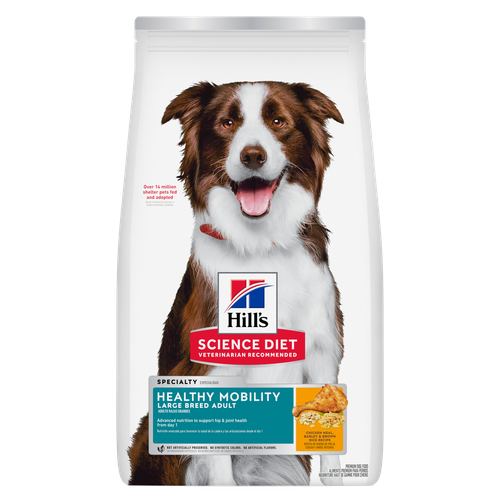
Healthy Mobility Large Breed Chicken Meal, Barley & Brown Rice Recipe Dog Food
Advanced nutrition shown to support joint health and improve mobility

Adult Perfect Weight & Joint Support Chicken & Brown Rice Recipe Dog Food
This weight management and mobility support dog food was created with Hill’s unique understanding of the biology of overweight dogs.
Related articles
Things You Can Do to Help Your Dog's Sensitive Stomach
A dog with a sensitive stomach has special needs. Learn more about sensitive stomach symptoms in your dog, what you can do to help sooth your pet’s insides and get recommendations on sensitive stomach dog food.
Hill's Puppy Food: Quality Ingredients for Health & Nutrition
Selecting the right food for your puppy is a key to quality nutrition and a long, healthy life., Learn more about how to select the right puppy food.
What to Feed Your Pregnant or Nursing Dog
Learn what you can feed your pregnant or nursing dog to keep her and her new pups healthy.
Helpful Tips for Exercising with Your Dog
Though it may seem like your four-legged friend loves nothing more than to nap on the couch, dogs need regular exercise to stay healthy just like people do.
Put your dog on a diet without them knowing
Our low calorie formula helps you control your dog's weight. It's packed with high-quality protein for building lean muscles, and made with purposeful ingredients for a flavorful, nutritious meal. Clinically proven antioxidants, Vitamin C+E, help promote a healthy immune system.
Put your dog on a diet without them knowing
Our low calorie formula helps you control your dog's weight. It's packed with high-quality protein for building lean muscles, and made with purposeful ingredients for a flavorful, nutritious meal. Clinically proven antioxidants, Vitamin C+E, help promote a healthy immune system.