


When those puppy dog eyes come out and your dog is begging for a taste of your meal, it's tempting to toss them a snack. And while this is okay sometimes, it's important to know what "people foods" are safe for your pup to consume before you share.
If your dog is eyeing the blueberries on your plate, you may be wondering: can dogs have blueberries? And if they can, how many is safe? Here, we'll explore whether dogs can eat blueberries and any safety considerations to keep in mind.
Can Dogs Have Blueberries?
Yes, in moderation, blueberries are a delicious, healthy snack for dogs. They contain many beneficial nutrients and are considered a low-calorie, antioxidant-rich treat. However, they should be considered just that: a treat. Blueberries shouldn't make up too much of your dog's diet, so it's best to give them sparingly. Treats, including blueberries, should make up no more than 10% of your dog's daily calories — the other 90% should be a complete and balanced dog food.
Are Blueberries Good for Dogs?
Blueberries have several nutritional benefits; however they may not benefit dogs to the same extent as humans. This is due to key biological, metabolic and dietary differences between dogs and humans, as well as the
amount consumed. In general, the health benefits of blueberries for dogs should be considered supportive, not transformative.
With that in mind, blueberries do offer:
Antioxidants. Anthocyanins present in blueberries may lower signs of cell stress in dogs, which may be supportive for senior or working dogs. These same anthocyanins may also help slow cognitive decline in older dogs.
Vitamin C. Research shows that consuming extra vitamin C from blueberries may be beneficial to dogs who need immune support.



Tasty Tips
Risks of Feeding Blueberries to Dogs
No food, even if it's a safe one, is going to be great for every dog. Specific health conditions, body composition, age and other factors can all play a part in what types of treats are a good choice. Keep these potential risks in mind when feeding your dog blueberries:
Potential Choking Hazard
While big dogs can typically gobble down blueberries without any problems, smaller dogs may have trouble with them. Make sure you serve them one at a time to reduce the risk.
Stomach Upset
Blueberries are high in fibre and contain a small amount of fruit sugar, both of which can cause stomach upset in some dogs.
Blueberry Allergy
Although it's rare, some dogs can have allergic reactions to blueberries. Signs of an allergic reaction include excessive itching, a swollen face, hives, vomiting or diarrhoea after consuming berries. If this happens, stop giving your dog berries and call your veterinarian immediately.
Can Puppies Have Blueberries?
If your puppy accidentally gobbles a blueberry off your plate, it's not something to panic about. However, it's best to avoid feeding blueberries to puppies since they require specific amounts of nutrients to ensure normal growth and development. In addition, puppies have an immature digestive system that can be upset by berries.

How to Safely Feed Your Dog a Blueberry
The best way to feed your dog blueberries is to feed them fresh, washed berries. If your dog is small, you can mash or cut the berries in half first to avoid choking hazards. Larger dogs have larger airways and more developed swallowing reflexes, so you can give them frozen berries. However, avoid canned berries, berries in syrup, blueberry pie filling or berries that have added sugar or any other additives for any dog. Berries can be hand-fed as a treat, put into a food puzzle or used as a meal topper.
If it is the first time feeding your dog blueberries, start with just one or two and observe their reaction. If you notice any problems, do not give them any more berries and consult with your local vet.

How Many Blueberries Can Dogs Eat?
The following is a general guideline for how many fresh blueberries a dog can safely consume per day:
| Dog Size | Weight Range | Maximum Daily Blueberries |
|---|---|---|
| Toy | < 4.5 kg | 1–2 berries |
| Small | 4.5–9 kg | 2–5 berries |
| Medium | 9–23 kg | 5–10 berries |
| Large | 23–41 kg | 10–12 berries |
| Giant | > 41 kg | 12–15 berries |
How Often Can Dogs Eat Blueberries?
Most healthy, adult dogs can eat blueberries several times a week as long as you stay within the safe portion sizes for their size.
Safe Snacking for Healthy Pups
In general, blueberries can be considered a healthy snack for dogs when fed in appropriate amounts. It's important to remember that while blueberries may support your dog's health, they don't replace balanced nutrition or veterinary care. Remember: in general, treats should make up no more than 10% of your dog's daily calories.

Related products
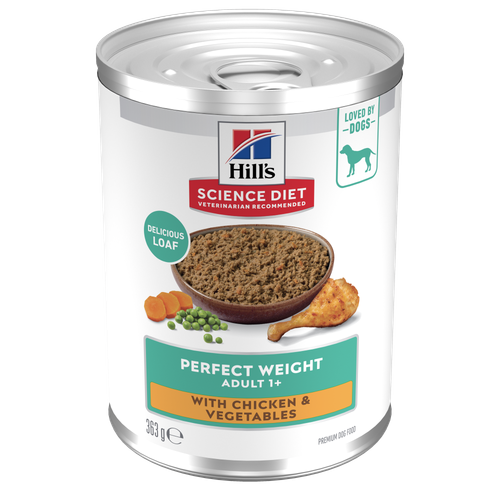
Perfect Weight Adult Wet Dog Food
Over 70% of dogs lost weight within 10 weeks when fed this nutrition
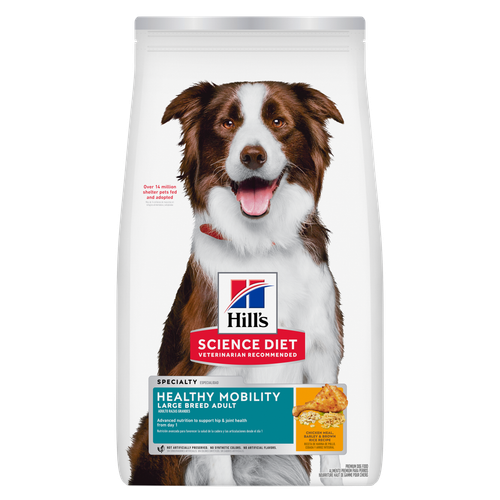
Healthy Mobility Large Breed Chicken Meal, Barley & Brown Rice Recipe Dog Food
Advanced nutrition shown to support joint health and improve mobility

Adult Perfect Weight & Joint Support Chicken & Brown Rice Recipe Dog Food
This weight management and mobility support dog food was created with Hill’s unique understanding of the biology of overweight dogs.

Adult 6+ Large Breed Chicken Meal, Barley & Rice Recipe Dog Food
Supports energy level, joint health, and beautiful coat in large breed mature dogs
Related articles

What to Feed Your Pregnant or Nursing Dog
Learn what you can feed your pregnant or nursing dog to keep her and her new pups healthy.

How Fatty Acids Can be Healthy for Your Dog
Fatty acids help keep your pet's skin and coat healthy and promote a healthy immune system. This article teaches pet owners how to ensure their pets are getting enough omega-3 and omega-6 fatty acids in their diets.

Things You Can Do to Help Your Dog's Sensitive Stomach
A dog with a sensitive stomach has special needs. Learn more about sensitive stomach symptoms in your dog, what you can do to help sooth your pet’s insides and get recommendations on sensitive stomach dog food.
Hill's Puppy Food: Quality Ingredients for Health & Nutrition
Selecting the right food for your puppy is a key to quality nutrition and a long, healthy life., Learn more about how to select the right puppy food.

Put your cat on a diet without them knowing
Our low calorie formula helps you control your cat's weight. It's packed with high-quality protein for building lean muscles, and made with purposeful ingredients for a flavorful, nutritious meal. Clinically proven antioxidants, Vitamin C+E, help promote a healthy immune system.