


Does your dog's breath clear the room faster than a fire alarm? While we often joke about "doggy breath," persistent bad breath in our canine companions isn't just unpleasant—it's frequently a warning sign of underlying dental problems that demand attention. Just like humans, dogs require regular dental care to maintain their oral health and overall well-being. Poor dental hygiene can lead to serious health complications, including periodontal disease, heart problems, and significant discomfort for our pets.
In this comprehensive guide, we'll explore why dental care for our dogs matters more than you might think, share practical at-home care strategies, and help you recognise when professional intervention is necessary. We'll also discuss natural remedies to freshen your dog's breath and provide age-specific considerations to keep your canine companion's smile healthy throughout their life. It's time to say goodbye to that offensive doggy breath and hello to a happier and healthier pup.
Why Dog Dental Health Matters More Than You Think
The Hidden Health Connections
Your dog's dental health extends far beyond their mouth, impacting their entire body in ways that might surprise you. Poor oral hygiene can lead to periodontal disease, which has been linked to serious systemic health problems including heart, liver, and kidney diseases. When bacteria from dental disease enter the bloodstream, they can affect vital organs, reducing their quality of life and potentially shortening your dog's lifespan.
Studies show that by age two, approximately 80% of dogs show signs of dental issues*. This staggering statistic means most Australian dog owners are dealing with some level of oral health issues in their pets. The financial implications are significant too—preventive dental care costs a fraction of what you'll spend treating advanced dental disease or its complications. A routine dental cleaning might cost a few hundred dollars, while treating severe periodontal disease and its associated health problems can run into thousands. *World Small Animal Veterinary Association Global Dental Guidelines, 2020
Beyond Bad Breath: Warning Signs to Watch For
While persistent bad breath is often the first sign pet owners notice, several other indicators can suggest your dog may be experiencing dental problems. Watch for yellow or brown tartar buildup along the gum line, red or swollen gums, and any bleeding when your dog chews or eats. Behavioural changes can be equally telling—if your dog suddenly becomes reluctant to eat hard food, drops food while eating, or paws at their mouth, dental discomfort could be the culprit.
More subtle signs include excessive drooling, changes in chewing patterns, or reluctance to play with their favourite toys. Some dogs become less social or seem generally uncomfortable, particularly around mealtimes. If you notice any combination of these symptoms, it's time to schedule a veterinary examination. Early intervention can prevent minor issues from developing into serious, painful conditions that require extensive treatment.

Professional Dental Care: When and Why It's Necessary
Reading the Signs: When Home Care Isn't Enough
Even with excellent home care, most dogs will eventually need professional dental cleaning. Recognise the signs that indicate your dog requires veterinary dental intervention: persistent bad breath despite good oral hygiene, visible tartar buildup that can't be removed with brushing, red or bleeding gums, loose or broken teeth, or obvious pain when eating or chewing.
A professional dental assessment can identify problems that aren't visible to the untrained eye. Dental X-rays may reveal issues below the gum line, including root problems, bone loss, or hidden infections. Some breeds are particularly prone to dental issues with small breeds often experiencing crowded teeth that trap food and bacteria, while flat-faced breeds may have alignment issues that affect their oral health.
What to Expect from Professional Cleanings
Many veterinarians recommend annual professional dental cleanings for adult dogs, though some may need more frequent attention based on their breed, age, and oral health status. The procedure typically requires general anaesthesia to ensure your dog's safety and allow thorough cleaning both above and below the gum line.
During the cleaning, your veterinarian will remove tartar and plaque, polish the teeth, and assess the overall health of your dog's mouth. They may take dental X-rays to evaluate tooth roots and surrounding bone structure. If any problems are discovered—such as damaged teeth or advanced periodontal disease—your vet will discuss treatment options with you.
Preparing your dog for a dental procedure involves following your veterinarian's pre-anaesthetic instructions, which typically include fasting for 12 hours before the appointment. Aftercare from the procedure usually involves soft food for a few days and potentially prescribed medications if extractions or other treatments were performed.
Cost vs Consequences
While professional dental care represents a significant investment, it's far more economical than treating the advanced complications of dental disease. Untreated dental problems can lead to tooth loss, bone infections, and systemic health issues that may require expensive, long-term management.
Regular professional cleanings help maintain the effectiveness of your at home care routine and catch problems early when they're still treatable. Think of it as an investment in your dog's long term health and quality of life—the peace of mind alone is worth the expense.


Tasty Tips
Natural Solutions for Fresh Breath
Kitchen Cupboard Heroes
Several natural ingredients can help freshen your dog's breath safely and effectively. Fresh parsley contains chlorophyll, which has natural deodorising properties and can help neutralise bad breath odours. Finely chop a small amount and sprinkle it over your dog's food—start with just a pinch to ensure they tolerate it well.
Mint can also help freshen breath, but use it sparingly and ensure you're using dog-safe varieties. Fresh mint leaves can be chopped and added to food occasionally, but avoid mint products designed for humans, which may contain xylitol or other harmful ingredients for our pets.
Coconut oil offers multiple oral health benefits thanks to its antimicrobial properties. The lauric acid in coconut oil can help reduce harmful bacteria in your dog's mouth. Start with small amounts—about 1/4 teaspoon for small dogs, up to 1 tablespoon for larger breeds—mixed into their food. You can also use coconut oil as a base for homemade dental treats or apply a small amount directly to their gums. Take care with your dosage as too much coconut oil can cause gastrointestinal upset.
Healthy Snacks That Clean
Certain fruits and vegetables can serve as natural tooth cleaners while providing nutritious treats. Crunchy apple slices (seeds removed) help scrape away plaque and freshen breath naturally. Carrots provide excellent mechanical cleaning action and are low in calories, making them perfect for dogs watching their weight.
Celery stalks can also help clean teeth naturally, though some dogs may find the stringy texture challenging. Always supervise your dog when offering these natural cleaners and cut them into appropriate sizes to prevent choking.
Common Dental Care Mistakes to Avoid
Many well-intentioned pet owners make mistakes that can actually harm their dog's oral health. Never use human toothpaste, which contains fluoride and other ingredients toxic to dogs. Similarly, avoid human mouthwashes or dental products not specifically designed for pets.
Don't ignore early warning signs hoping they'll resolve on their own. Dental disease is progressive and rarely improves without intervention. Inconsistent care routines are less effective than shorter, regular sessions, so aim for daily brushing rather than occasional marathon sessions.
Be cautious with extremely hard chew items that can fracture teeth. Tennis balls, while popular, can actually wear down tooth enamel over time due to their abrasive surface. Always supervise your dog with any chew toy or treat, and replace worn items promptly.
Taking Action for Better Oral Health
Your dog's dental health is a cornerstone of their overall wellbeing, affecting everything from their comfort eating to their long-term health outcomes. By implementing a comprehensive dental care routine that includes daily brushing, appropriate dental chews, regular professional cleanings, and careful attention to warning signs, you're making a significant investment in your dog's quality of life.
Remember that every dog is different—what works for one may need adjustment for another. Start slowly, be patient with the process, and don't hesitate to consult your veterinarian for personalised advice. Your dog's breath (and their overall health) will thank you for the effort.
The path to fresh breath and healthy teeth starts with a single step. Whether that's picking up a dog toothbrush today or scheduling a dental check-up, take action now. Your nose, and more importantly your dog's health depends on it.

Related products

Adult 6+ Large Breed Chicken Meal, Barley & Rice Recipe Dog Food
Supports energy level, joint health, and beautiful coat in large breed mature dogs
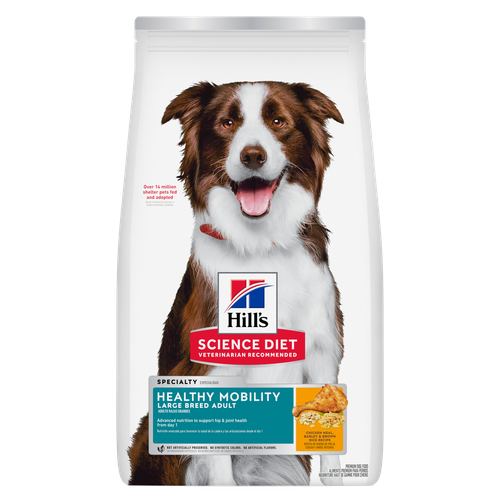
Healthy Mobility Large Breed Chicken Meal, Barley & Brown Rice Recipe Dog Food
Advanced nutrition shown to support joint health and improve mobility

Adult Perfect Weight & Joint Support Chicken & Brown Rice Recipe Dog Food
This weight management and mobility support dog food was created with Hill’s unique understanding of the biology of overweight dogs.
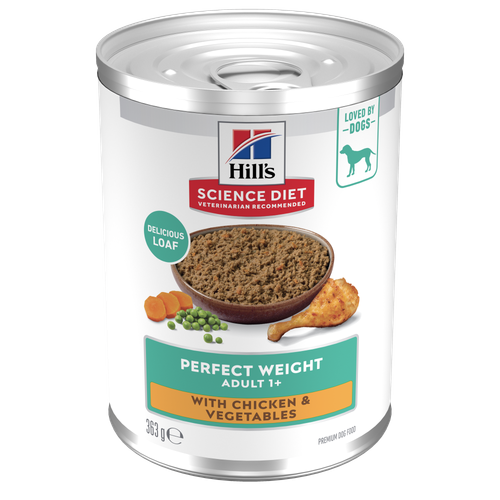
Perfect Weight Adult Wet Dog Food
Over 70% of dogs lost weight within 10 weeks when fed this nutrition
Related articles

Things You Can Do to Help Your Dog's Sensitive Stomach
A dog with a sensitive stomach has special needs. Learn more about sensitive stomach symptoms in your dog, what you can do to help sooth your pet’s insides and get recommendations on sensitive stomach dog food.
What to Feed Your Pregnant or Nursing Dog
Learn what you can feed your pregnant or nursing dog to keep her and her new pups healthy.

Helpful Tips for Exercising with Your Dog
Though it may seem like your four-legged friend loves nothing more than to nap on the couch, dogs need regular exercise to stay healthy just like people do.

Hill's Puppy Food: Quality Ingredients for Health & Nutrition
Selecting the right food for your puppy is a key to quality nutrition and a long, healthy life., Learn more about how to select the right puppy food.
Put your dog on a diet without them knowing
Our low calorie formula helps you control your dog's weight. It's packed with high-quality protein for building lean muscles, and made with purposeful ingredients for a flavorful, nutritious meal. Clinically proven antioxidants, Vitamin C+E, help promote a healthy immune system.
Put your dog on a diet without them knowing
Our low calorie formula helps you control your dog's weight. It's packed with high-quality protein for building lean muscles, and made with purposeful ingredients for a flavorful, nutritious meal. Clinically proven antioxidants, Vitamin C+E, help promote a healthy immune system.