


Ever wondered how your dog’s digestion works? This guide breaks down the canine digestive system explaining each step and how to take care of their digestive health.
Common Digestive Issues in Dogs
Symptoms of digestive problems in dogs
Dogs can experience a range of digestive issues, from mild upset to more persistent concerns.
Common signs of digestive discomfort in dogs include:
Vomiting
Diarrhoea
Constipation
Loss of appetite
Excessive gas or bloating
Abdominal discomfort
Changes in stool consistency or colour.
These symptoms can occur occasionally without serious cause, but when they persist or seem severe, it may indicate an underlying issue that needs further investigation. If you are concerned about any of these signs in your dog, it’s important to visit their veterinarian to get it checked out.
Causes of sensitive stomachs and diarrhoea
Digestive issues in dogs are often triggered by dietary indiscretions, such as eating something they wouldn’t normally, sudden changes in food, or consuming fatty table scraps. Food sensitivities, or infections can also irritate the digestive tract and cause vomiting and/or diarrhoea.
Other common causes of stomach upsets in dogs include:
Stress or anxiety
Intestinal parasites
Certain medications
Changes in routine
Underlying digestive sensitivities
Some dogs simply have more sensitive stomachs than others and may benefit from nutrition specifically formulated to support digestive health or sensitivities to particular ingredients.
Maintaining a consistent feeding routine and providing appropriate nutrition tailored to your dog supports healthy and consistent digestion.
When to seek veterinary advice
While occasional mild digestive upset isn’t unusual, you should consult your veterinarian if you notice:
Ongoing vomiting or diarrhoea lasting 24 hours or more
Blood in vomit or stools
Loss of appetite or lethargy
Persistent abdominal discomfort
Unexplained weight loss
Frequent gastrointestinal episodes
Your vet can help get to the cause of the issue and guide you on a tailored plan that may include dietary adjustments, testing, and longer-term management strategies.



Tasty Tips
Recognising Signs of Healthy Digestion in Dogs
Normal vs abnormal bowel movements
One of the clearest indicators of your dog’s digestive health is their stool. Normal dog faeces should be:
Well-formed but not hard
Moist but easy to pick up
Chocolate brown in colour
Passed regularly, typically one to three times a day
In contrast, abnormal bowel movements may include:
Diarrhoea or very soft stools
Hard, dry, or infrequent stools
Mucous or blood in the stool
Sudden changes in colour or odour
If these signs persist for more than a day or two, or are accompanied by other symptoms (like lethargy or loss of appetite), it’s important to consult your vet to rule out more serious digestive issues.
Indicators of good digestive health
Beyond stool quality, there are other signs your dog’s digestive system is functioning well:
Healthy appetite and consistent interest in food
Stable weight and muscle tone
Consistent energy levels and alertness
Minimal flatulence (farting) and bloating
A shiny coat and healthy skin. Both are often linked to good hydration and nutrient absorption.
When your dog’s digestion is supported by the right food, it contributes to their overall comfort, immune health and day-to-day wellbeing.
Impact of diet changes on dog digestion
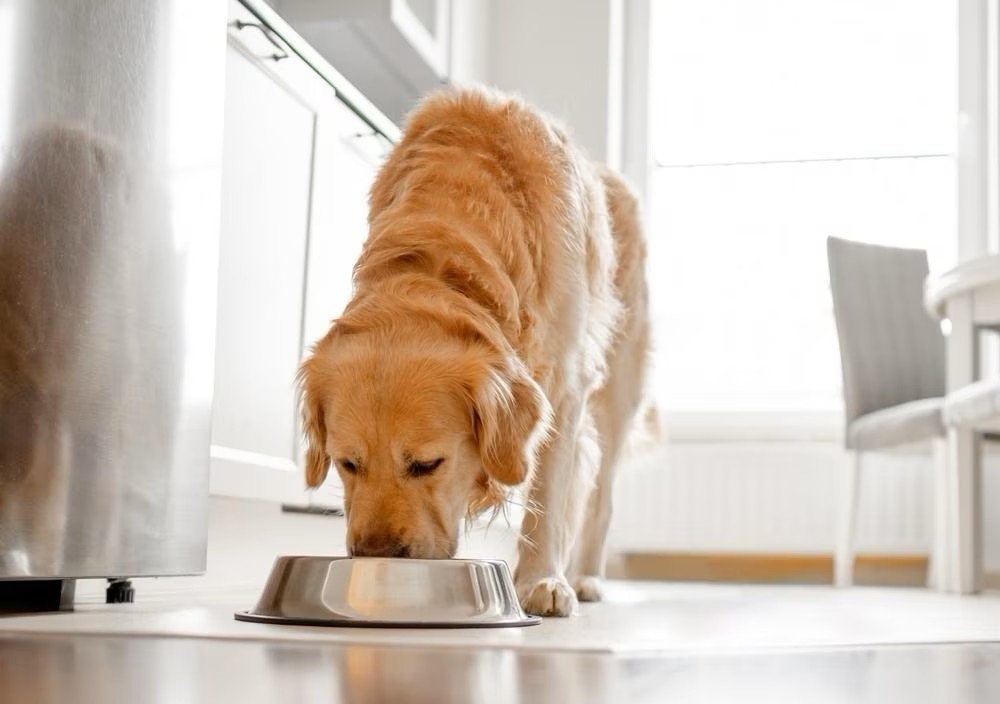
Changing your dog’s food can affect their digestion (for better or worse) depending on how the transition is managed. As we mentioned earlier, even when switching to a new food, it’s important to introduce it gradually over at least 7–10 days. This gives the gut microbiome time to adjust and helps prevent upset stomachs or changes in stool.
Signs that a new food is supporting your dog’s digestion include better stool consistency, reduced flatulence, and maintained or improved energy levels.
If you notice ongoing digestive upset after changing foods, or if your dog has a history of sensitive digestion, speak with your vet for tailored advice.
Creating a feeding routine with Hill’s Pet Foods
Choosing the right food and feeding it consistently is a great way to support your dog’s digestive health. Hill’s Science Diet offers a variety of formulas made with highly digestible ingredients, tailored for different life stages, sizes and specific needs.
For dogs with ongoing digestive sensitivities, your vet may recommend a product from the Hill’s Prescription Diet Gastrointestinal range as part of a broader care plan. These therapeutic products are designed to help manage specific digestive concerns and should only be used under veterinary recommendation and guidance.
Establish a feeding routine that suits your dog’s needs and lifestyle, and if you’re unsure which is the best fit, your vet can help guide you based on your dog’s age, activity level and digestive health.
Regular monitoring, appropriate nutrition, and veterinary guidance are key components in maintaining optimal digestive function.
By understanding and supporting your dog's digestive system, you contribute to their overall health and happiness throughout their life.

Related products

Adult Perfect Weight & Joint Support Chicken & Brown Rice Recipe Dog Food
This weight management and mobility support dog food was created with Hill’s unique understanding of the biology of overweight dogs.
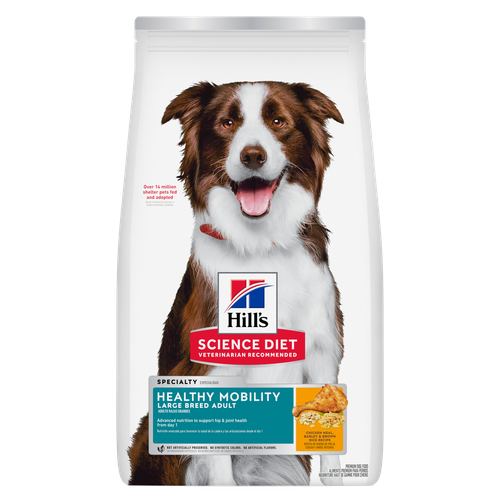
Healthy Mobility Large Breed Chicken Meal, Barley & Brown Rice Recipe Dog Food
Advanced nutrition shown to support joint health and improve mobility

Adult 6+ Large Breed Chicken Meal, Barley & Rice Recipe Dog Food
Supports energy level, joint health, and beautiful coat in large breed mature dogs
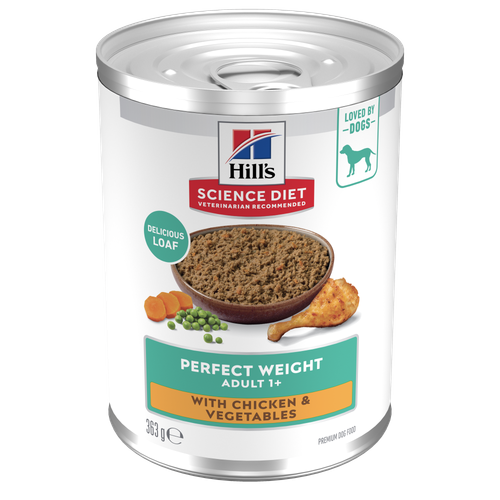
Perfect Weight Adult Wet Dog Food
Over 70% of dogs lost weight within 10 weeks when fed this nutrition
Related articles

Hill's Puppy Food: Quality Ingredients for Health & Nutrition
Selecting the right food for your puppy is a key to quality nutrition and a long, healthy life., Learn more about how to select the right puppy food.

What to Feed Your Pregnant or Nursing Dog
Learn what you can feed your pregnant or nursing dog to keep her and her new pups healthy.

Things You Can Do to Help Your Dog's Sensitive Stomach
A dog with a sensitive stomach has special needs. Learn more about sensitive stomach symptoms in your dog, what you can do to help sooth your pet’s insides and get recommendations on sensitive stomach dog food.

Helpful Tips for Exercising with Your Dog
Though it may seem like your four-legged friend loves nothing more than to nap on the couch, dogs need regular exercise to stay healthy just like people do.
Put your dog on a diet without them knowing
Our low calorie formula helps you control your dog's weight. It's packed with high-quality protein for building lean muscles, and made with purposeful ingredients for a flavorful, nutritious meal. Clinically proven antioxidants, Vitamin C+E, help promote a healthy immune system.
Put your dog on a diet without them knowing
Our low calorie formula helps you control your dog's weight. It's packed with high-quality protein for building lean muscles, and made with purposeful ingredients for a flavorful, nutritious meal. Clinically proven antioxidants, Vitamin C+E, help promote a healthy immune system.