


Dogs and cats don't reach their senior years on a fixed birthday. The 2019 AAHA Canine Life Stage Guidelines define a dog's senior stage as the final quarter of its expected lifespan. A giant breed dog can reach that stage from around age five. A toy breed might not get there until well past ten. Cats age more predictably, reaching senior status from around 11 years, according to the 2021 AAHA/AAFP Feline Life Stage Guidelines. What ageing looks like for your own pet depends on breed, size and health history, but the goal at every stage stays the same: comfort, sound nutrition and a life that still feels full.
When Is a Dog Considered Senior?
Large and giant breed dogs age faster than small breeds. Many enter their senior years from around five to six, while small and toy breeds often don't reach the same stage until 10 or 11, per the AAHA Canine Life Stage Guidelines. Hill's own senior dog nutrition range places dogs in the mature bracket from 6 to 11 years, moving into senior from 11 years onward, though the exact age still depends on breed size.
At What Age Is a Cat Considered a Senior?
Most veterinary guidelines place cats in a mature adult stage from seven to ten years, then classify them as senior from around 11 years onward, per the AAHA/AAFP Feline Life Stage Guidelines. Individual cats vary widely. Some stay in excellent condition well past this point, so a vet's assessment matters more than a birthday.
Early signs of ageing are often subtle. A slower start in the mornings or longer naps can be early markers. Weight can shift in either direction, and eyesight or hearing may not be as sharp as before. None of these signs are cause for alarm on their own, but they're worth raising at the next vet visit. Routine health checks become more valuable as pets age, since early detection makes many age-related conditions easier to manage.
Comfort at Home: Small Adjustments for a Big Difference
A few practical changes at home go a long way for an older dog or cat. Non-slip mats on tiled or timber floors reduce the risk of slips for a pet with stiffer joints. A ramp or a set of pet stairs makes it easier to reach a favourite couch or the back seat of the car. Cats benefit from a litter tray with lower sides, placed somewhere they don't need to climb stairs to reach. Supportive bedding away from draughts helps keep pets and their joints warm.
The 2023 AAHA Senior Care Guidelines for Dogs and Cats list home modifications such as elevated food bowls, ramps, non-slip surfaces and accessible bedding as standard parts of senior pet care.
Predictable routines reduce stress for older pets, who often prefer familiar feeding and walking times over surprises. Gentle enrichment, like a slow feeder or a favourite blanket in a quiet corner, gives an ageing dog or cat somewhere to settle. As hearing and eyesight decline, keeping furniture in the same place and avoiding sudden loud noises helps them feel steady in their own space.


Tasty Tips
Nutrition for Healthy Ageing
An older dog or cat's nutritional needs shift in ways that aren't always obvious from the outside. Senior pets, particularly cats, need high quality, highly digestible proteins to maintain their lean body mass. At the same time, many senior dogs need fewer calories overall, since their activity levels typically decline.
Hill's Science Diet Adult 7+ dog and cat foods are formulated for specific ageing needs. They provide easy-to-digest nutrition with a synergistic blend of ingredients to help support energy & activity level. This food contains ActivBiome+ Multi-Benefit, a special blend of prebiotic fibres and antioxidants to support digestion, immune system and organ health. Healthy heart, kidneys, and bladder are supported by antioxidants and balanced minerals, lean muscles supported with high-quality protein. Our guide to choosing the right food for your senior cat covers what else to look for when comparing options.
Any change of food should happen gradually. Mixing increasing amounts of the new food with the old over about a week helps avoid digestive upset. Portion control matters too. A body condition check every few months helps catch weight creeping on or off before it becomes a bigger problem, and your vet can show you how to do this at home.
Staying Active in Body and Mind
Exercise still matters for older pets, just in a different shape. Shorter, more frequent walks usually suit an ageing dog better than one long outing. Swimming or slow walks on grass are gentler on stiff joints than repeated stairs or hard pavement. Cats can stay active through play that doesn't demand big jumps. A wand toy kept low to the ground, or a puzzle feeder rolled across the floor, keeps a senior cat moving without strain.
What to avoid: pushing through visible discomfort, skipping check-ups on the assumption a pet "seems fine", or cutting out activity altogether the moment your dog or cat slows down. A short walk most days keeps joints and muscles in better condition than long rest followed by an occasional big outing. If your dog limps, hesitates before jumping, or seems disoriented at home, treat that as a signal to modify activity and speak with your vet.
Mental stimulation matters just as much as physical activity. Scent games, where treats are hidden around a room for a dog to find, and food puzzles for cats, both keep the brain engaged. Canine cognitive dysfunction shares similarities with dementia in people. Australian research estimates it affects 14 to 35% of dogs over the age of eight, yet it remains widely underdiagnosed, since many owners assume the signs are simply normal ageing.
Common Senior Health Concerns and Preventive Care
Dental disease is one of the most common conditions vets see in older pets. It affects around 80% of dogs and cats over the age of three, according to the Australian Veterinary Association. Regular dental checks, and a professional clean under anaesthetic when needed, help manage this before it becomes painful.
Joint stiffness and osteoarthritis become more common with age in both species, alongside gradual kidney and thyroid changes that a vet can often pick up through routine bloodwork well before symptoms appear at home. A preventive care checklist for an older pet typically includes dental checks, parasite control, a weight and body condition check, and screening bloodwork at least once a year, moving to twice yearly in the senior years.
Book a vet visit promptly if you notice sudden weight loss or gain, a change in drinking or toileting habits, new lumps, laboured breathing, or a reluctance to eat. These can be early signs of treatable conditions, and catching them early often means more options and a better outcome. For pets diagnosed with a specific condition, a vet is best placed to recommend the right nutritional and medical approach, which may include a therapeutic diet as part of a wider treatment plan.
Strengthening Your Bond in the Senior Years
Growing older changes what a dog or cat enjoys, but not how much they value your attention. Gentle grooming sessions, brushing a little more often for a coat that isn't self-maintaining as well as it used to, double as a chance to check for new lumps, sore spots or skin changes while you spend calm time together. A slow, gentle massage along the back and shoulders can ease stiff muscles and is often just as welcome as a walk.
Play doesn't need to stop, just adapt. Shorter sessions, softer toys, and following your pet's lead on energy that day all help. Some of the best moments with an older dog or cat come from simple, calm routines rather than big outings: a favourite spot in the sun, a familiar walking loop, or quiet time together on the couch. Building a loose "best life" plan around these small, consistent joys, alongside good nutrition and regular vet care, is often what separates a pet who's simply getting by from one who's genuinely thriving.
FAQs
When is a dog considered a senior?
The 2019 AAHA Canine Life Stage Guidelines define the senior stage as the final quarter of a dog's expected lifespan. Giant breeds can reach senior status from around age five, while toy breeds often don't get there until well past ten. Hill's own senior dog nutrition range places dogs in a mature bracket from 6 to 11 years, moving into senior from 11 years onward.
At what age is a cat considered senior?
According to the 2021 AAHA/AAFP Feline Life Stage Guidelines, cats are classed as mature adults from seven to ten years, then senior from around 11 years onward. Individual cats vary, so a vet's assessment matters more than a birthday.
What are the early signs of ageing in dogs and cats?
Common early markers include a slower start to walks, longer naps, greying around the muzzle, delayed response to sounds, weight shifts in either direction, and changes in eyesight or hearing. These signs are worth raising at the next vet visit rather than a cause for alarm on their own.
How can I make my home more comfortable for a senior pet?
The 2023 AAHA Senior Care Guidelines for Dogs and Cats recommend elevated food bowls, ramps or pet stairs, non-slip mats on tiled or timber floors, low sided litter trays for cats, and warm bedding away from draughts. Keeping routines and furniture placement consistent also helps older pets feel steady.
What nutritional changes do senior dogs and cats need?
Senior pets, particularly cats, need high quality, highly digestible protein to help maintain their lean body mass, while many senior dogs need fewer calories as activity levels decline. Hill's Science Diet Adult 7+ dog and cat foods are formulated for specific ageing needs. They provide easy-to-digest nutrition with a synergistic blend of ingredients to help support energy & activity level. It contains ActivBiome+ Multi-Benefit, a special blend of prebiotic fibres and antioxidants to support digestion, immune system and organ health. Healthy heart, kidneys, and bladder are supported by antioxidants and balanced minerals, lean muscles supported with high-quality protein. Any diet change should happen gradually over about a week to avoid digestive upset.
How much exercise does a senior dog or cat need?
Shorter, more frequent walks usually suit an ageing dog better than one long outing, and swimming or grass walks are gentler on stiff joints than stairs or pavement. Cats stay active through low level play, such as a wand toy or a puzzle feeder rolled across the floor, without needing big jumps.
What health conditions are common in older pets?
Dental disease affects around 80% of dogs and cats over the age of three, according to the Australian Veterinary Association. Joint stiffness and osteoarthritis also become more common with age, alongside gradual kidney and thyroid changes that routine bloodwork can often detect before symptoms appear.
When should I take my senior pet to the vet?
Book a visit promptly for sudden weight loss or gain, a change in drinking or toileting habits, new lumps, laboured breathing, or a reluctance to eat. Catching these signs early often means more treatment options and a better outcome.
What is canine cognitive dysfunction?
Canine cognitive dysfunction shares similarities with dementia in people. Australian research estimates it affects 14 to 35% of dogs over the age of eight, and it remains widely underdiagnosed since many owners assume the signs are simply normal ageing.

Related products

Adult 6+ Large Breed Chicken Meal, Barley & Rice Recipe Dog Food
Supports energy level, joint health, and beautiful coat in large breed mature dogs

Adult Perfect Weight & Joint Support Chicken & Brown Rice Recipe Dog Food
This weight management and mobility support dog food was created with Hill’s unique understanding of the biology of overweight dogs.
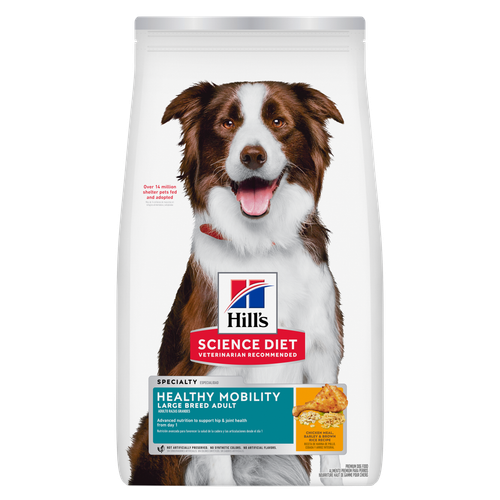
Healthy Mobility Large Breed Chicken Meal, Barley & Brown Rice Recipe Dog Food
Advanced nutrition shown to support joint health and improve mobility
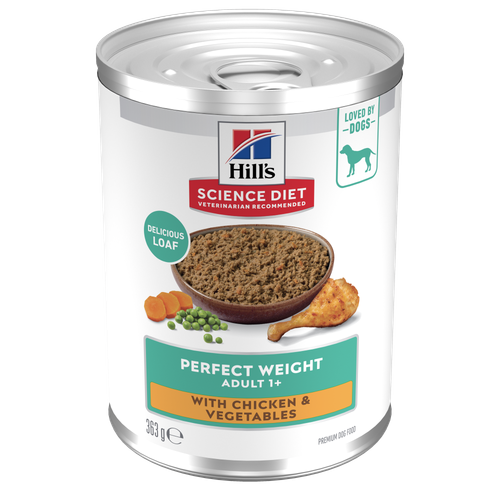
Perfect Weight Adult Wet Dog Food
Over 70% of dogs lost weight within 10 weeks when fed this nutrition
Related articles
How Much Does It Cost to Own a Pet in Australia?
From upfront costs to vet bills and pet insurance, discover what it really costs to own a dog or cat in Australia. Plan your pet budget with Hill's.

Creating a Safe Space for Your New Pet
Learn how to set up the perfect safe haven for your new dog or cat. Expert tips on location, essentials, and helping your pet adjust to their new Australian home.
Can Dogs and Cats Eat Butter?
Learn all about whether butter is safe for your dog or cat and what to do if they eat it.

How to Understand Your Cat's and Dog's Hierarchy of Needs
Pet Hierarchy of Needs: nutrition, safety, enrichment & play. Learn expert pet care tips to help your cat or dog thrive at every age.
Put your pet on a diet without them knowing
Our low calorie formula helps you control your pet's weight. It's packed with high-quality protein for building lean muscles, and made with purposeful ingredients for a flavorful, nutritious meal. Clinically proven antioxidants, Vitamin C+E, help promote a healthy immune system.