


Diet and exercise: how to ensure your puppy grows into a fit and healthy dog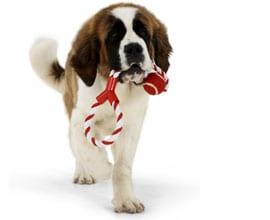
There are so many things you will have learnt about your new puppy when you first brought him home, not the least of which was be his diet. What you choose to feed him will depend on both of you, but bear in mind that a growing puppy needs more calories, minerals, protein and vitamins than a grown up dog.
There are so many commercial pet foods out there these days, and the price and quality varies hugely. So that you can make the best and right choice for your puppy, it will help if you have an understanding of the composition of the foods available.
What's on the menu for your puppy?
Chicken, liver, soy, rice, corn and oil. These are the raw materials that go into your puppy's food. But it's the quality of the ingredients that determines the digestibility and nutritional value of the diet you choose.
These ingredients provide the essential nutrients for your puppy: protein, fat, carbohydrate, vitamins and minerals. But it's important that these nutrients are in the correct proportions. Unsurprisingly, some pet foods have incorrect and unsuitable proportions of these nutrients, and poor quality, hard-to-digest ingredients. For more information on important ingredients click here.
There's such a vast number of different foods to choose from today, you might have difficulty knowing what's best for your puppy; it's almost certainly a good idea to ask your vet for advice before you decide.


Tasty Tips
How do you feed your puppy?
Sounds like a silly question, doesn't it? Far from it. As a matter of fact, there are several ways to feed dogs.
First, you need to decide whether you want to feed dried or canned food, or a mixture of both. Dry foods are generally more economical, especially for larger breeds of dogs. But both canned and dried foods can be nutritionally complete and balanced. Ask your vet for his advice or recommendation.
Complete or Complementary?
There's such a vast number of different foods to choose from today, you might have difficulty knowing what's best for your puppy; it's almost certainly a good idea to ask your vet for advice before you decide.
Exercise: essential for your puppy and good for you
When your puppy has had his course of vaccinations, you'll be keen to get him out and about. Exercise is vital. Not only does it help develop physical fitness, it is also mentally stimulating, and provides social contact. Click here to find out more about socialization.
Before setting out, decide on a suitable lead; maybe an extendable one until you're sure your puppy won't run off, or a harness if he pulls a lot.
Then you'll have to do a bit of homework to find out which parks and gardens allow dogs off the lead. Large country parks and fields can be great for dogs, but check they can let off the lead, and watch out for livestock. And don't forget the poop scoop.
Please don't overdo it
Daily exercise will develop your puppy's muscle strength and stamina but don't overdo things. Short, frequent walks are the order of the day. Although you may be tempted to roam the great outdoors with your new companion, remember he's still only a baby, and growing all the time. So try not to save all the "walkies" for long treks and weekends; they will overtire your puppy and can lead to bone and joint problems.
It cannot be overemphasised how important it is to control the rate and frequency of exercise. If you're at all unsure how much exercise is too much for your puppy, please ask your vet for advice and guidance.

Related products

Adult 6+ Large Breed Chicken Meal, Barley & Rice Recipe Dog Food
Supports energy level, joint health, and beautiful coat in large breed mature dogs
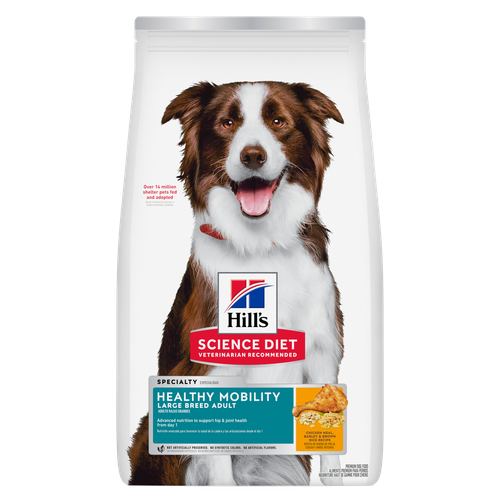
Healthy Mobility Large Breed Chicken Meal, Barley & Brown Rice Recipe Dog Food
Advanced nutrition shown to support joint health and improve mobility

Adult Perfect Weight & Joint Support Chicken & Brown Rice Recipe Dog Food
This weight management and mobility support dog food was created with Hill’s unique understanding of the biology of overweight dogs.
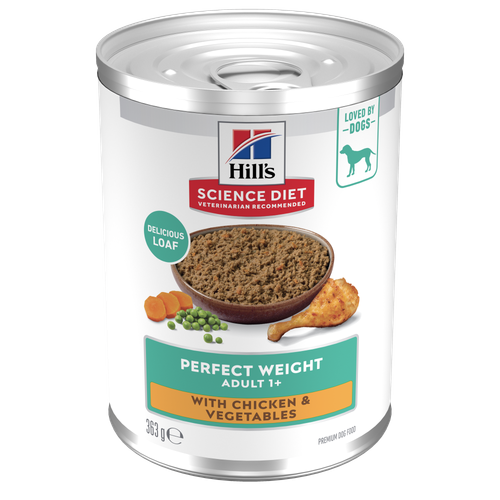
Perfect Weight Adult Wet Dog Food
Over 70% of dogs lost weight within 10 weeks when fed this nutrition
Related articles

Things You Can Do to Help Your Dog's Sensitive Stomach
A dog with a sensitive stomach has special needs. Learn more about sensitive stomach symptoms in your dog, what you can do to help sooth your pet’s insides and get recommendations on sensitive stomach dog food.

Helpful Tips for Exercising with Your Dog
Though it may seem like your four-legged friend loves nothing more than to nap on the couch, dogs need regular exercise to stay healthy just like people do.
What to Feed Your Pregnant or Nursing Dog
Learn what you can feed your pregnant or nursing dog to keep her and her new pups healthy.
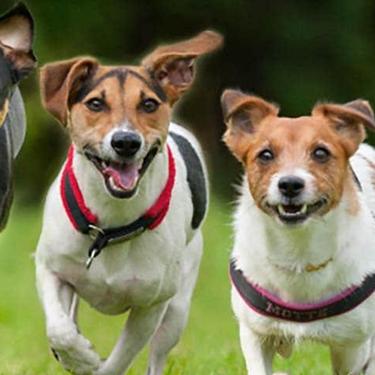
Hill's Puppy Food: Quality Ingredients for Health & Nutrition
Selecting the right food for your puppy is a key to quality nutrition and a long, healthy life., Learn more about how to select the right puppy food.
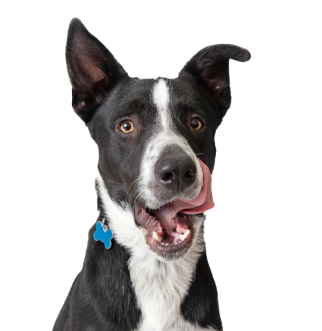
Put your dog on a diet without them knowing
Our low calorie formula helps you control your dog's weight. It's packed with high-quality protein for building lean muscles, and made with purposeful ingredients for a flavorful, nutritious meal. Clinically proven antioxidants, Vitamin C+E, help promote a healthy immune system.
Put your dog on a diet without them knowing
Our low calorie formula helps you control your dog's weight. It's packed with high-quality protein for building lean muscles, and made with purposeful ingredients for a flavorful, nutritious meal. Clinically proven antioxidants, Vitamin C+E, help promote a healthy immune system.