

Wondering what human food dogs can eat? Dogs will eat (and enjoy) a number of foods, but understanding what human foods are safe for dogs and identifying what foods are toxic to dogs is crucial for their health. Use this guide to learn what types of human foods dogs can — and cannot — eat.
Remember to speak with a trusted veterinarian, who can determine the right food and feeding amount for your furry friend. When providing safe human foods, prepare them carefully and remove choking hazards like pits, stems, seeds, and cores. Keep in mind, some foods are only safe in small amounts or when gently cooked, and remember: overfeeding human food can lead to obesity and nutritional imbalances.
Use this comprehensive guide to get an idea of foods you can safely share, and always ensure your dog gets the majority of their nutrients from high-quality, complete and balanced dog food. And keep in mind the 10% Rule: balancing treats and dog nutrition.
45 results

Grapes and raisins have been associated with kidney failure in both dogs and cats. Even a single grape or raisin can be dangerous. Contact your veterinarian immediately if you suspect your pet has ingested grapes or raisins.
Learn More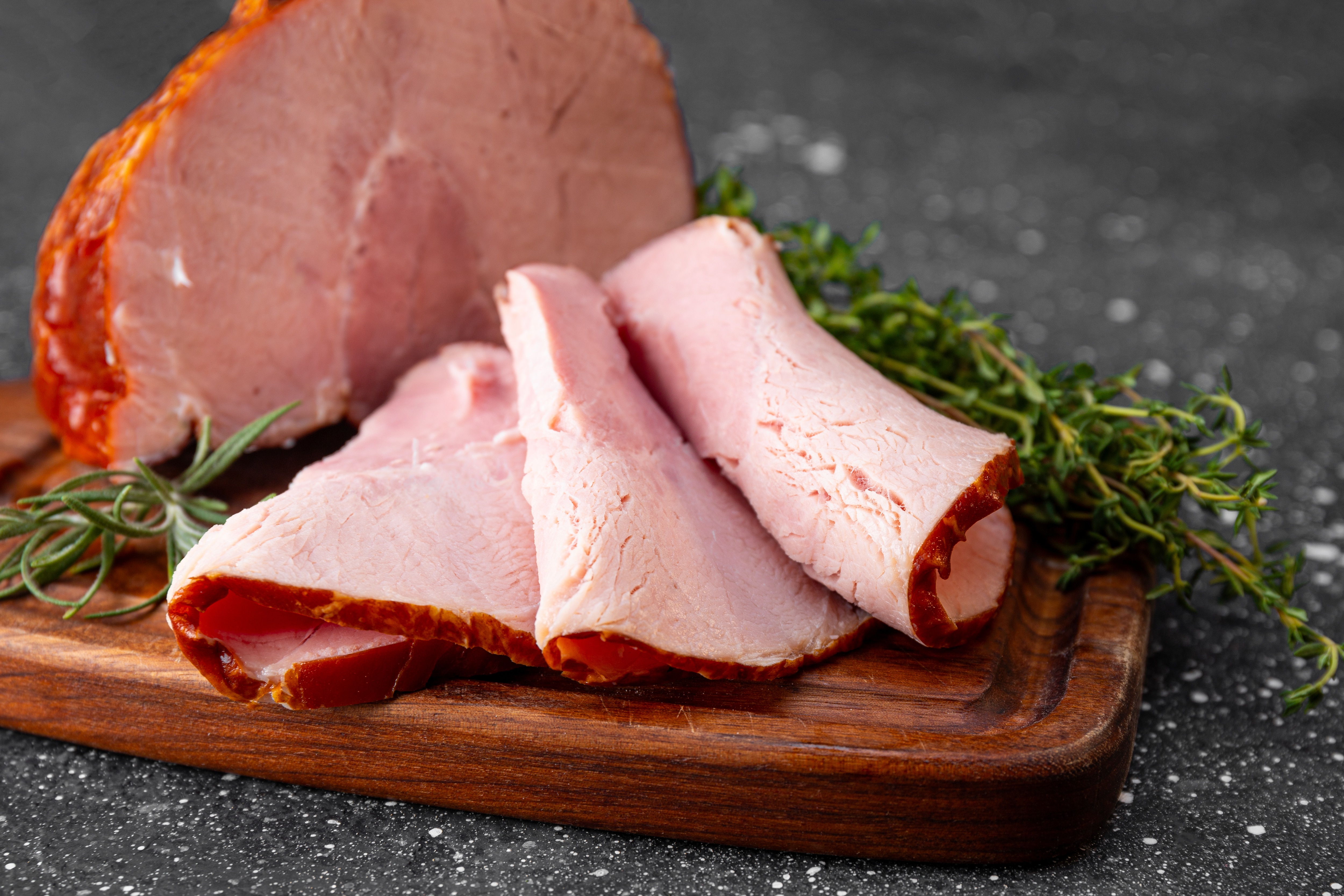
High in sodium and fat, ham is not an ideal treat. It can lead to increased thirst or even pancreatitis in some dogs.
Learn More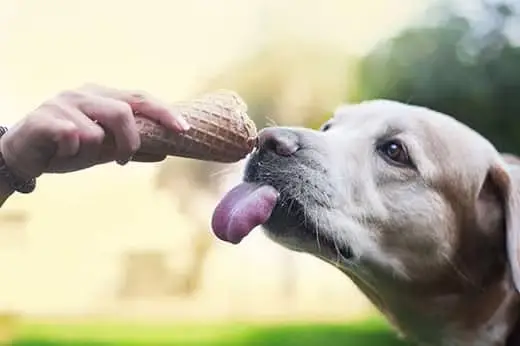
Dogs do not digest dairy well. High sugar content and potential lactose intolerance make this a treat to avoid.
Learn More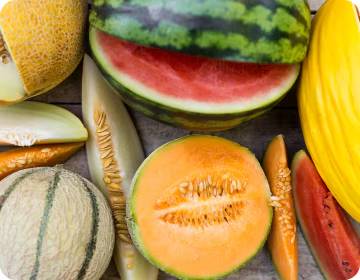
Dogs can eat a little rockmelon and watermelon now and again, but make sure you remove any seeds and avoid feeding any part of the rind, which may result in an obstruction in the digestive tract.
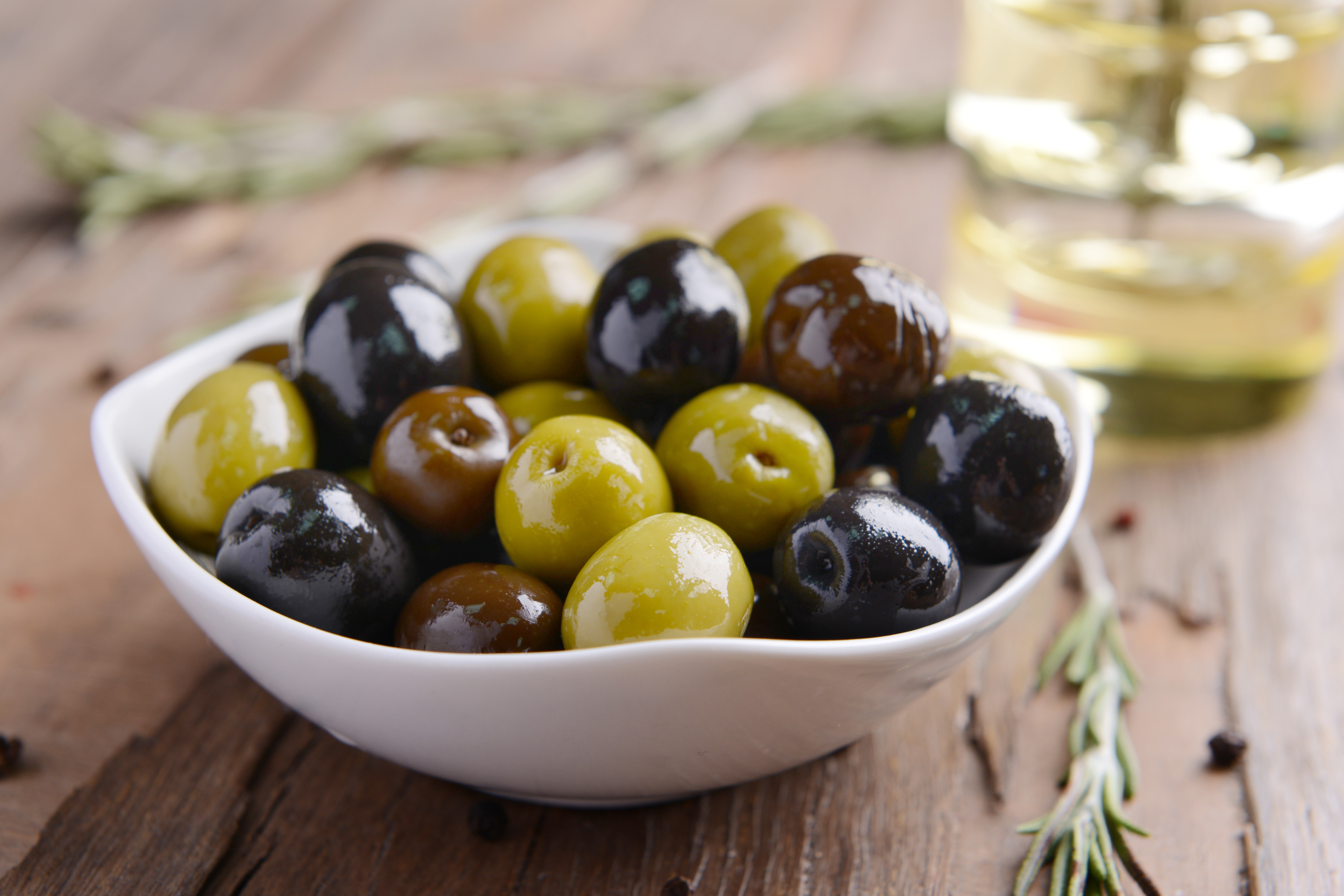
Plain, pitted olives are generally safe but high in sodium if they are canned or pickled. Olive oil is safe in small amounts but is calorie-dense, so it should be used sparingly.
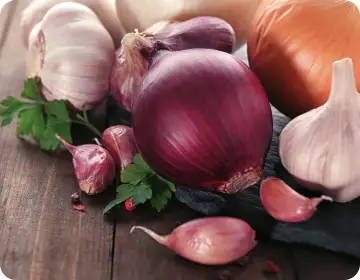
Both can cause serious damage to red blood cells and anemia. This includes powdered, raw and cooked forms.

0 results found
Fruits and vegetables can be a healthy addition to your dog's treat rotation. Many fruits are safe for dogs and offer excellent nutritional benefits. For example, dogs can eat a few types of melons, but make sure to remove any seeds and avoid feeding any part of the rind, which may result in an obstruction to the digestive tract. Dogs can eat red, ripe tomatoes, but the green parts of a tomato (including the stem and leaves) can contain dangerous toxins.
Several fruits and veggies can be toxic to dogs and result in a range of health issues. For example, ingesting citrus fruits may cause dogs to experience gastrointestinal discomfort, vomiting and diarrhoea. Onions and garlic are common ingredients in many human foods, but both can cause serious damage to red blood cells and lead to anemia. And grapes should never be fed to dogs—even one can be very dangerous.
While sharing safe human foods can be fun, maintaining complete and balanced nutrition will help support healthy growth and reduce the risk of unhealthy weight gain. Veterinary experts recommend that treats, including fruits and vegetables for dogs, should make up no more than 10% of your dog's total daily caloric intake.
Remember that the majority of their nutrients must come from high-quality, complete and balanced dog food.
Some of the best vegetables for dogs include carrots, green beans, peas, and cooked sweet potatoes. They are low in calories and high in fiber and vitamins. Always introduce new foods slowly.
While some owners opt for raw diets, feeding raw meat carries risks of bacterial contamination (like salmonella and E. coli) for both the pet and the humans in the household. If you are considering feeding raw meat, consult your veterinarian to ensure the diet is complete, balanced and handled safely.
Bones, whether raw or cooked, pose significant risks. Cooked bones can splinter and cause internal damage or obstruction. Raw bones can also be a choking hazard and may fracture teeth. It is generally safer to use veterinarian-approved dental chews.
If you suspect your dog has ingested something toxic such as grapes or chocolate, contact your veterinarian or the Animal Poisons Helpline on 1300 869 738 immediately. Do not wait for symptoms to develop. Some toxins cause immediate, deadly reactions, while others may only cause an upset stomach; professional advice is essential.