


Urinary health is an important part of your dog’s overall wellbeing, but it’s not always easy to detect when something’s wrong. From subtle signs of discomfort to more obvious changes in behaviour, urinary issues in dogs can arise for many reasons.
The good news is that nutrition can play a key role in supporting a healthy urinary tract and help to reduce the risk of recurring problems, especially when combined with veterinary guidance and proper hydration.
Let’s unpack this so you know the signs to look for, and how the right combination of nutrition, hydration and veterinary care can support your dog’s urinary health.


Tasty Tips
The Role of Nutrition in Managing Urinary Health
Nutrition can be a valuable part of a multi-layered approach to supporting urinary health.
Certain nutrients can help influence urinary health by:
Encouraging optimal urine pH
Promoting increased water intake
Managing mineral levels to help reduce the risk of urinary crystal and stone formation.
How diet and nutrition can prevent urinary problems
Feeding your dog food specifically formulated to support urinary health, such as Hill’s Prescription Diet Urinary Care options, can complement veterinary care by creating a more optimal urinary environment.
These foods are designed to help create a urinary environment less favourable to the formation of certain crystals and bladder stones, with controlled mineral levels and ingredients that promote optimal urine pH.
Your veterinarian can advise you on the most suitable nutrition to support your dog and their urinary health.
Consulting Your Vet: Why It Matters for Urinary Health
Before making any changes to your dog’s food, it’s essential to speak with your veterinarian.
They can:
Identify the root cause of urinary concerns
Recommend appropriate diagnostic testing
Suggest the most suitable nutritional approach.
Your vet can also help you monitor progress and adjust care as needed, ensuring your dog gets the right support to address their specific issue.
How to discuss dietary plans with your vet
When discussing your dog’s urinary health with your vet, be open about any symptoms you've noticed, even subtle changes like increased thirst or accidents at home. Ask whether nutrition could play a role in your dog’s care plan, and whether a Hill’s Prescription Diet Urinary Care product may be suitable.
Your vet may recommend additional testing to guide the best choice. Bringing in photos of your dog’s urine, or keeping a short log of their toileting habits, can also help inform the discussion.
By working together, you and your vet can create a comprehensive approach that includes tailored nutrition alongside any other recommended treatments.
Hydration is Key to Urinary Health
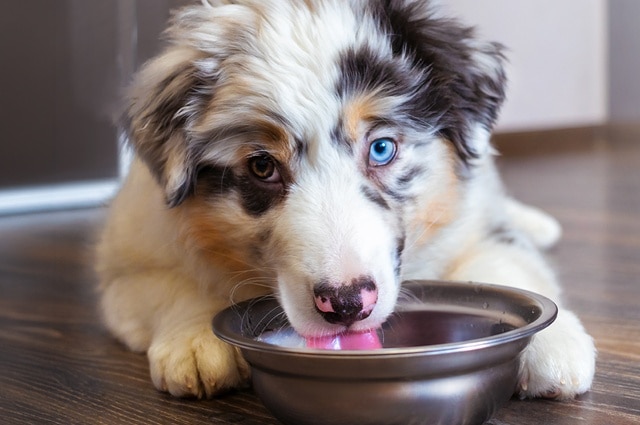
Staying well-hydrated is just as important for dogs as it is for humans, especially when it comes to urinary health.
Water helps dilute the urine, flush out waste products, and reduce the risk of crystal or stone formation.
To encourage your dog to stay hydrated, you can:
Provide fresh, clean water at all times
Offer wet food in combination with dry food, if appropriate
Place multiple water bowls around the house and outdoor areas where your dog spends time.
Hill's Pet Nutrition: Supporting Your Dog's Urinary Health
Hill’s offers a range of therapeutic foods, available through your veterinarian, that are specially formulated to support dogs with urinary health concerns.
Hill’s Prescription Diet Urinary Care foods are backed by science and developed by a team of veterinarians and nutritionists. When used under veterinary guidance, they can be an important part of your dog’s ongoing urinary health management.
While nutrition alone isn’t a cure for urinary issues, it can be a powerful component in a comprehensive plan to support your dog’s urinary health.
If your dog has experienced urinary concerns in the past, or you're looking to be proactive, speak to your vet about the role food and hydration can play in keeping your dog feeling their best.

Related products

Adult 6+ Large Breed Chicken Meal, Barley & Rice Recipe Dog Food
Supports energy level, joint health, and beautiful coat in large breed mature dogs

Adult Perfect Weight & Joint Support Chicken & Brown Rice Recipe Dog Food
This weight management and mobility support dog food was created with Hill’s unique understanding of the biology of overweight dogs.
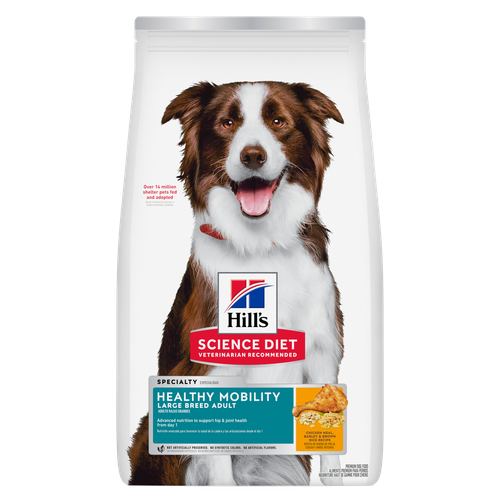
Healthy Mobility Large Breed Chicken Meal, Barley & Brown Rice Recipe Dog Food
Advanced nutrition shown to support joint health and improve mobility
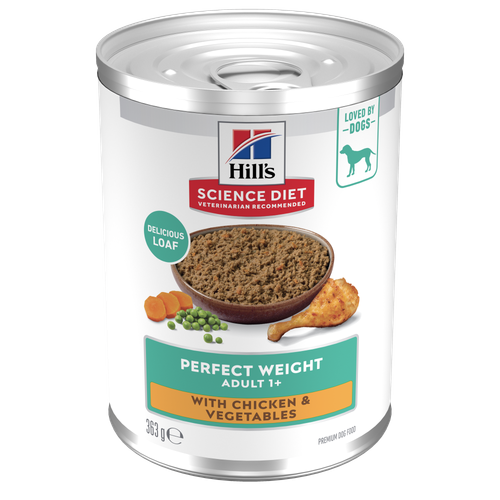
Perfect Weight Adult Wet Dog Food
Over 70% of dogs lost weight within 10 weeks when fed this nutrition
Related articles

Things You Can Do to Help Your Dog's Sensitive Stomach
A dog with a sensitive stomach has special needs. Learn more about sensitive stomach symptoms in your dog, what you can do to help sooth your pet’s insides and get recommendations on sensitive stomach dog food.

Helpful Tips for Exercising with Your Dog
Though it may seem like your four-legged friend loves nothing more than to nap on the couch, dogs need regular exercise to stay healthy just like people do.

Hill's Puppy Food: Quality Ingredients for Health & Nutrition
Selecting the right food for your puppy is a key to quality nutrition and a long, healthy life., Learn more about how to select the right puppy food.

What to Feed Your Pregnant or Nursing Dog
Learn what you can feed your pregnant or nursing dog to keep her and her new pups healthy.
Put your dog on a diet without them knowing
Our low calorie formula helps you control your dog's weight. It's packed with high-quality protein for building lean muscles, and made with purposeful ingredients for a flavorful, nutritious meal. Clinically proven antioxidants, Vitamin C+E, help promote a healthy immune system.
Put your dog on a diet without them knowing
Our low calorie formula helps you control your dog's weight. It's packed with high-quality protein for building lean muscles, and made with purposeful ingredients for a flavorful, nutritious meal. Clinically proven antioxidants, Vitamin C+E, help promote a healthy immune system.