


Have you noticed your dog turning away from their favourite chew toy, or perhaps their breath has become a bit too smelly for those close-up cuddles? These small changes could be early signs that your dog's dental health needs attention. Just like humans, dogs require consistent oral care to maintain healthy teeth and gums—and the benefits extend far beyond a bright smile. A healthy mouth contributes to your dog's overall well-being, affecting everything from their ability to enjoy meals to their long-term organ health.
Maintaining excellent dental health in dogs isn't about choosing between professional veterinary care or home management; it's about combining both approaches for the best results. When dental nutrition, professional cleanings, and daily care work together, they create a comprehensive routine that keeps your dog's teeth and gums healthy throughout their life. Let's explore how these elements complement each other to give your best mate the dental care they deserve.
Understanding the Importance of Dental Health in Dogs
Your dog's mouth is a gateway to their overall health. Poor dental health doesn't just cause discomfort when eating, it can affect your dog's overall health and wellbeing. When plaque and tartar accumulate on teeth, bacteria can enter the bloodstream through inflamed gums, potentially affecting the heart, liver, and kidneys. This connection between oral health and systemic health makes dental care an essential part of responsible pet ownership.
70% of cats and 80% of dogs will have some disease by age 2*, yet these problems often develop gradually, making them easy to miss in the early stages. Catching dental concerns early allows for simpler interventions and helps prevent more serious complications down the track.
Watch for these common signs of dental problems:
Persistent bad breath (halitosis) that doesn't improve
Yellow or brown discolouration on the teeth
Red, swollen, or bleeding gums
Difficulty chewing or dropping food whilst eating
Pawing at the mouth or rubbing the face
Changes in eating habits or loss of appetite
Excessive drooling or blood-tinged saliva
Reluctance to play with chew toys
Loose or broken teeth
If you notice any of these signs, it's time to consult your vet for a thorough dental examination. Early intervention can prevent minor issues from developing into painful conditions that require extensive treatment.
The Role of Nutrition in Dental Health
What your dog eats plays a more significant role in dental health than many pet owners realise. Whilst nutrition alone cannot solve dental problems, the right food can provide dental benefits as part of a comprehensive care strategy. The physical properties of certain food, particularly the size, shape, and texture of kibble, can help reduce plaque and tartar accumulation through mechanical action as your dog chews.
Hill's Prescription Diet t/d represents a scientific approach to dental nutrition. This dog food features clinically proven triple-action fibre matrix technology in a unique kibble size, shape, and texture, designed to clean teeth up to the gumline. This therapeutic nutrition has earned seal of acceptance from the Veterinary Oral Health Council (VOHC) for reduction in buildup of both plaque and tartar.
Hill’s t/d foods are specifically formulated with kibble designs that encourage thorough chewing and have a scrubbing action against the tooth surface. The texture works to clean teeth during the natural eating process. Hill's t/d has an interlocking fibre matrix, which acts similarly. Some formulations incorporate fibre matrix technology, where interlocking fibres within the kibble act similarly to dental floss, cleaning right to the gum line with each bite.
Beyond mechanical cleaning, Hill's t/d provides complete and balanced nutrition with clinically proven antioxidants for dogs' daily health and immune system support. It is also formulated to promote a urinary environment that reduces the risk of developing struvite & calcium oxalate crystals, offering additional health benefits beyond oral care.
It's important to understand that specialised dental nutrition works best when integrated into a complete dental care plan. While dental foods play an important role in supporting pets' dental health, they should be used alongside regular brushing and professional cleanings. Think of dental nutrition as one valuable tool in your dental care toolkit, not a replacement for other essential practices. Your veterinarian can help determine whether specialised dental nutrition is appropriate for your dog's individual needs and health status.
Professional Dental Cleanings: What to Expect
Professional dental cleanings performed by your veterinarian are a cornerstone of canine dental care. These procedures accomplish what home care cannot—they thoroughly clean beneath the gum line where plaque and tartar accumulate and where dental disease often begins. Understanding what happens during a professional cleaning can help you appreciate why these procedures are so valuable.
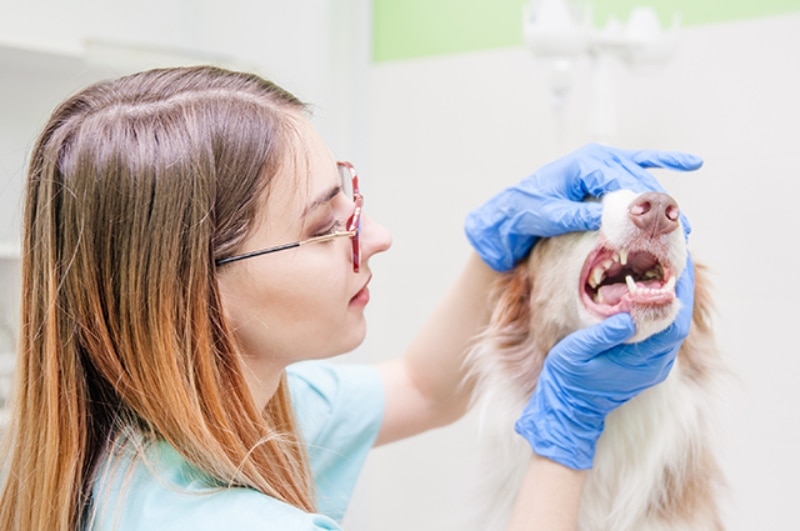
A complete dental cleaning under anaesthesia typically involves several steps. First, your veterinarian will examine your dog's mouth thoroughly, checking each tooth and the surrounding gum tissue for signs of disease, damage, or abnormalities. This examination often includes dental X-rays, which reveal problems invisible to the naked eye, such as tooth root abscesses, bone loss, or fractures below the gumline.
Once the assessment is complete, the veterinarian will use specialised instruments to scale away plaque and tartar from tooth surfaces, paying particular attention to the area beneath the gum line where bacteria accumulate. After scaling, the teeth are polished to smooth the enamel surface, making it harder for plaque to attach. Some procedures conclude with a fluoride treatment to strengthen enamel and reduce sensitivity.
The use of anaesthesia during dental procedures often concerns pet owners, but it serves several important purposes. Anaesthesia keeps your dog comfortable and stress-free during the procedure, allows for a thorough cleaning without the dog moving, and makes it possible to clean beneath the gumline and take X-rays safely. Before any anaesthetic procedure, your veterinarian will typically recommend blood tests to ensure your dog reaches the appropriate health status for anaesthesia, adding an extra layer of safety.
Most adult dogs benefit from professional dental cleanings annually, though some may need more frequent attention depending on their breed, age, diet, and home care routine. Small breed dogs often require more frequent cleanings due to crowded teeth, whilst breeds prone to dental issues may need specialised attention. Your veterinarian will recommend a schedule tailored to your dog's specific needs.


Tasty Tips
At-Home Dental Care: Practical Tips
Professional cleanings provide essential deep care, but daily home dental care is equally important for maintaining your dog's dental health between veterinary visits. The good news is that establishing an effective home care routine doesn't have to be complicated or time-consuming. With patience and consistency, most dogs can learn to accept and even enjoy their dental care routine.
Mastering Daily Brushing
Daily brushing is the gold standard for home dental care. If this sounds ambitious, remember that even a few times per week provides significant benefits. The key is starting slowly and building positive associations with the process.
Begin by getting your dog comfortable with you handling their mouth. Spend a few days simply lifting their lips, touching their gums, and praising them for remaining calm. Once they're comfortable with this, introduce a dog-specific toothbrush or finger brush. Let them sniff and lick it before attempting to brush.
When you're ready to start brushing, use toothpaste formulated specifically for dogs. Never use human toothpaste, as it contains ingredients that can be toxic to dogs. Dog toothpastes come in flavours like chicken, beef, and peanut butter, making the experience more enjoyable for your pet.
Focus your brushing efforts on the outer surfaces of the teeth, particularly along the gumline where plaque accumulates. Use gentle circular motions, holding the brush at a 45-degree angle to the gumline. You don't need to brush the inner surfaces of the teeth as extensively—your dog's tongue naturally helps clean these areas.
Start with just a few teeth at a time, gradually working up to a full cleaning session as your dog becomes more comfortable. The entire process should take no more than two to three minutes once you're both accustomed to the routine. Make it positive by offering praise throughout and perhaps ending with a favourite activity or healthy treat.
Choosing Dental Care Products
The pet care aisle offers numerous dental care products, and selecting the right ones can feel overwhelming. For brushing, choose a toothbrush sized appropriately for your dog's mouth. Finger brushes work well for small dogs or for introducing brushing, whilst angled brushes with longer handles are better for larger dogs or reaching back teeth.
Dental chews and toys can supplement your home care routine, providing additional mechanical cleaning through chewing action. Look for products that have earned the VOHC seal of acceptance, indicating they meet standards for reducing plaque and tartar. Remember that these products support rather than replace brushing—think of them as helpful extras, not primary care tools.
Water additives and dental wipes offer additional options for dogs who resist brushing. Whilst these aren't as effective as brushing, they're better than no oral care at all. Many dogs may benefit from specialised dental nutrition as part of their daily routine, providing ongoing support for oral health with every meal.
Creating a Sustainable Routine
Consistency matters more than perfection when it comes to home dental care. Find a time of day that works reliably for both you and your dog—many pet owners find that after the evening walk, when dogs are calm and relaxed, works well. Keep your dental care supplies in an accessible location so they're ready when needed.
If you're starting with an adult dog who hasn't experienced tooth brushing before, be patient. Progress might be slow initially, but most dogs eventually accept the routine, especially when it's associated with positive experiences. Never force the issue to the point of causing stress, as this can create negative associations that make future attempts more difficult.
Starting dental care when dogs are puppies makes the process easier, but it's never too late to begin. Older dogs can learn to accept dental care with patience and positive reinforcement. If you're struggling to establish a routine, ask your veterinarian or a veterinary nurse for a demonstration—they can provide personalised tips based on your dog's temperament and needs.
Recognising When to Seek Veterinary Advice
Being proactive about your dog's dental health means knowing when home care isn't sufficient and professional assessment is needed. Regular veterinary dental examinations—typically during annual wellness checks—allow your veterinarian to catch problems early, often before they cause obvious symptoms. These routine checks establish a baseline for your dog's oral health and help track changes over time.
Between regular check-ups, stay alert for signs that warrant a veterinary visit. Persistent bad breath despite regular home care often indicates bacterial buildup or infection that needs professional attention. Visible tartar accumulation, especially dark brown or black discolouration on teeth, suggests that a professional cleaning is overdue. Red, swollen, or bleeding gums signal inflammation that could progress to more serious periodontal disease without intervention.
Behavioural changes around eating can indicate dental discomfort. If your dog suddenly becomes reluctant to eat hard food, drops food whilst chewing, or shows interest in food but then backs away, dental pain might be the culprit. Similarly, if your dog paws at their mouth, rubs their face along the floor, or suddenly becomes head-shy when you try to pet them, these could be signs of oral discomfort.
Any visible damage to teeth—chips, breaks, or loose teeth—requires prompt veterinary assessment. Facial swelling, lumps in the mouth, or any discharge from the mouth or nose should be evaluated immediately, as these can indicate infections or other serious conditions.
Your veterinarian is your partner in maintaining your dog's dental health. Don't hesitate to raise concerns between scheduled appointments if you notice changes. Early intervention typically means simpler, less invasive, and less costly treatments. Prevention and early detection are always preferable to treating advanced dental disease.
The Benefits of a Two-Pronged Dental Health Approach
When veterinary care and consistent home management work together, they create results that neither approach could achieve alone. Professional cleanings remove accumulated plaque and tartar, particularly from areas difficult to reach at home, providing a clean slate for ongoing maintenance. Daily home care then slows the rate at which plaque and tartar return, extending the benefits of professional cleanings and potentially reducing the frequency of procedures needed over your dog's lifetime.
Specialised dental nutrition adds another supportive element to this comprehensive approach. When chosen appropriately and used as directed by your veterinarian, therapeutic dental foods can provide ongoing mechanical cleaning benefits with every meal. This ongoing support complements both professional cleanings and home brushing, creating multiple layers of protection for your dog's oral health.
The long term benefits of this comprehensive approach are substantial. Dogs with healthy teeth and gums experience less pain and discomfort, allowing them to eat normally, play enthusiastically, and enjoy a better quality of life. They're less likely to develop the serious systemic health problems associated with advanced dental disease, potentially adding years to their life. From a practical standpoint, preventing dental disease is far less costly than treating advanced periodontal problems, which may require tooth extractions or treatment for complications.
Every dog's needs are unique. Some breeds, for example French bulldogs, pugs, greyhounds and many small dog breeds are more prone to dental issues and may require more intensive care, whilst others maintain relatively healthy teeth with minimal intervention. Working with your veterinarian to create a personalised dental care plan ensures that your approach matches your dog's specific needs, lifestyle, and any existing health conditions. This tailored strategy maximises the benefits of the time and resources you invest in your dog's dental care.
Your dog's dental health is an investment in their overall wellbeing and quality of life. By combining professional veterinary cleanings with consistent home care and appropriate nutrition, you're providing comprehensive protection that keeps teeth and gums healthy throughout your dog's life. This two-pronged approach—professional intervention when needed and daily prevention at home—creates lasting results that benefit your dog far beyond their mouth.
Remember that small, consistent actions make meaningful differences. A few minutes of brushing several times per week, annual professional assessments, and thoughtful nutrition choices all contribute to the bigger picture of your dog's health. Your veterinarian is your best resource for creating a personalised dental care plan that fits your dog's individual needs and your lifestyle.
Taking charge of your dog's dental health today sets the foundation for years of happy tail wags, comfortable eating, and the close-up cuddles you both cherish. After all, a healthy mouth contributes to a long, happy life—and that's something worth smiling about.
*WASAVA Dental Guidelines (2020)
FAQ
What are the signs of dental problems in dogs?
Common signs of dental problems in dogs include persistent bad breath that doesn't improve, yellow or brown discolouration on the teeth, red, swollen, or bleeding gums, difficulty chewing or dropping food whilst eating, pawing at the mouth or rubbing the face, changes in eating habits or loss of appetite, excessive drooling or blood-tinged saliva, reluctance to play with chew toys, and loose or broken teeth. If you notice any of these signs, consult your veterinarian for a thorough dental examination.
How often should I brush my dog's teeth?
For optimal dental health, brush your dog's teeth several times per week. The entire process should take no more than two to three minutes once you're both accustomed to the routine. Consistency matters more than perfection when it comes to home dental care. Daily brushing is ideal, but even a few times per week can make a meaningful difference in slowing plaque and tartar buildup.
Can I use human toothpaste on my dog?
No, never use human toothpaste on your dog. Human toothpaste contains ingredients that can be toxic to dogs. Always use toothpaste formulated specifically for dogs, which comes in dog-friendly flavours like chicken, beef, and peanut butter, making the experience more enjoyable for your pet.
What happens during a professional dog dental cleaning?
A professional dental cleaning under anaesthesia involves several steps. Your veterinarian will examine your dog's mouth thoroughly, checking each tooth and the surrounding gum tissue. This examination often includes dental X-rays to reveal problems invisible to the naked eye. The veterinarian will then use specialised instruments to scale away plaque and tartar from tooth surfaces, particularly beneath the gumline. After scaling, the teeth are polished to smooth the enamel surface. Some procedures conclude with a fluoride treatment to strengthen enamel and reduce sensitivity.
Why is anaesthesia necessary for dog dental cleanings?
Anaesthesia serves several important purposes during dental procedures. It keeps your dog comfortable and stress-free, allows for a thorough cleaning without the dog moving, and makes it possible to clean beneath the gum line and take X-rays safely. Speak to your vet about the suitability of anesthesia for your dog based on their individual needs.

Related products
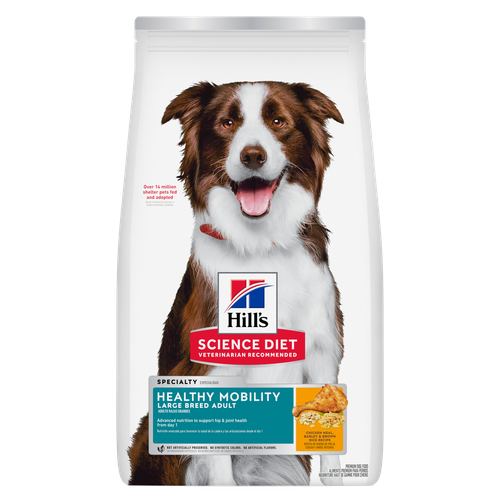
Healthy Mobility Large Breed Chicken Meal, Barley & Brown Rice Recipe Dog Food
Advanced nutrition shown to support joint health and improve mobility

Adult 6+ Large Breed Chicken Meal, Barley & Rice Recipe Dog Food
Supports energy level, joint health, and beautiful coat in large breed mature dogs

Adult Perfect Weight & Joint Support Chicken & Brown Rice Recipe Dog Food
This weight management and mobility support dog food was created with Hill’s unique understanding of the biology of overweight dogs.
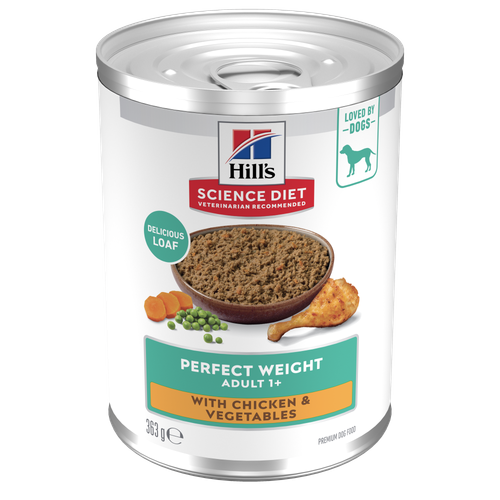
Perfect Weight Adult Wet Dog Food
Over 70% of dogs lost weight within 10 weeks when fed this nutrition
Related articles

What to Feed Your Pregnant or Nursing Dog
Learn what you can feed your pregnant or nursing dog to keep her and her new pups healthy.

Things You Can Do to Help Your Dog's Sensitive Stomach
A dog with a sensitive stomach has special needs. Learn more about sensitive stomach symptoms in your dog, what you can do to help sooth your pet’s insides and get recommendations on sensitive stomach dog food.

Hill's Puppy Food: Quality Ingredients for Health & Nutrition
Selecting the right food for your puppy is a key to quality nutrition and a long, healthy life., Learn more about how to select the right puppy food.

Helpful Tips for Exercising with Your Dog
Though it may seem like your four-legged friend loves nothing more than to nap on the couch, dogs need regular exercise to stay healthy just like people do.
Put your dog on a diet without them knowing
Our low calorie formula helps you control your dog's weight. It's packed with high-quality protein for building lean muscles, and made with purposeful ingredients for a flavorful, nutritious meal. Clinically proven antioxidants, Vitamin C+E, help promote a healthy immune system.
Put your dog on a diet without them knowing
Our low calorie formula helps you control your dog's weight. It's packed with high-quality protein for building lean muscles, and made with purposeful ingredients for a flavorful, nutritious meal. Clinically proven antioxidants, Vitamin C+E, help promote a healthy immune system.