


It's 2 AM, and your dog's persistent barking has woken the entire household again. Sound familiar? You're not alone—night time barking is one of the most common challenges Australian pet parents face. The good news is that with the right approach, you can help your canine companion settle into peaceful nights. Creating a calm environment doesn't require expensive gadgets or complex training programs. Instead, it's about understanding why your dog barks at night and implementing simple, consistent strategies that address their needs. With patience and the right routine, both you and your dog can enjoy restful sleep.
Why Dogs Bark at Night: Understanding the Root Causes
Before addressing night time barking, it's helpful to understand what drives this behaviour. Dogs don't bark to annoy their families, they are simply responding to something that feels important or concerning to them.
Territorial instincts are often the trigger for night time barking. Your dog may be alerting you to sounds like possums on the roof, neighbours returning home, or unfamiliar cars passing by. These protective instincts are natural, but they can become excessive without proper guidance.
Anxiety and separation concerns frequently contribute to night time vocalisation. Dogs who struggle with being alone, especially in a different room from their family, may bark to seek reassurance or attention. This is particularly common in rescue dogs or those who've experienced changes in their routine.
Environmental factors play a significant role too. Sudden noises, bright lights from passing cars, or weather changes can startle sensitive dogs. Senior dogs may become more reactive to these triggers as their hearing or vision changes, making familiar sounds seem more threatening.
Medical discomfort shouldn't be overlooked. Dogs experiencing pain, digestive issues, or needing more frequent toilet breaks may vocalise their distress. Age related conditions like cognitive dysfunction can also disrupt sleep patterns.
Boredom or excess energy can manifest as night time restlessness. Dogs who haven't received adequate physical exercise or mental stimulation during the day may struggle to settle when evening arrives.
Understanding your dog's specific triggers helps you address the root cause rather than just managing the symptoms. Keep a brief diary noting when barking occurs and what might have prompted it as patterns often emerge that will help guide your solution strategy.
Building a Peaceful Night-Time Routine
Consistency is your greatest ally in creating calm nights. Dogs thrive on predictable routines, and establishing a calming bedtime ritual helps signal that it's time to wind down.
Start your routine 1-2 hours before your desired bedtime. Begin with a final toilet break, followed by calm, quiet activities. Gentle brushing can be wonderfully soothing for many dogs, providing physical comfort whilst reinforcing your bond. Avoid exciting games or vigorous play during this wind down period.
Meal timing significantly impacts sleep quality. Feed your dog their main meal 2-3 hours before bedtime to allow proper digestion. Late meals can cause discomfort or create the need for late night toilet breaks. If your dog requires evening medication or supplements, coordinate timing with your veterinarian to avoid disrupting sleep.
Create positive sleep associations by consistently using the same calming cues. This might include dimming lights, playing soft music, or using a specific phrase like "settle time." These signals help your dog's mind and body prepare for rest.
Exercise timing matters too. Whilst adequate daily exercise is crucial for good sleep, avoid high energy activities within two hours of bedtime. Instead, opt for a gentle evening walk or calm training session that engages their mind without overstimulating them.
Implement changes gradually rather than overhauling everything at once. Start with one or two elements of your new routine and add others as your dog adapts. This prevents overwhelming them and increases the likelihood of success.
Remember, establishing new routines takes time. Most dogs need 2-3 weeks to fully adapt to changes, so persistence and patience are key to seeing lasting results.
Creating the Perfect Sleep Environment
Your dog's sleeping environment significantly influences their ability to rest peacefully. A few thoughtful adjustments can transform restless nights into tranquil ones.
Designate a comfortable sleeping area that feels safe and secure. This might be a crate, a special bed, or a quiet corner of your bedroom. The location should be away from high-traffic areas and external noise sources like front doors or windows facing busy streets.
Temperature control often gets overlooked but makes a substantial difference. Dogs sleep best in slightly cool environments, typically around 20°C. Ensure adequate ventilation without creating draughts, and provide appropriate bedding for the season.
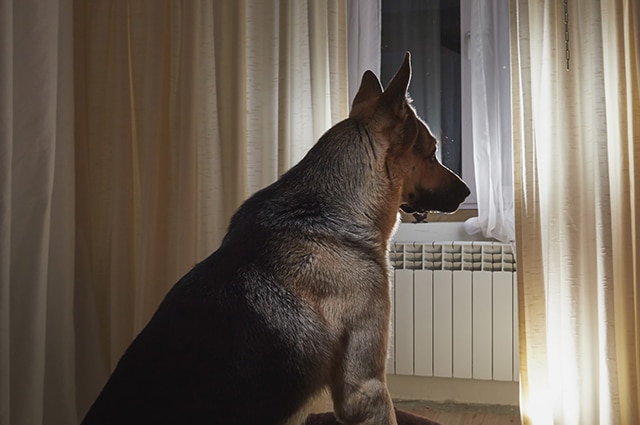
Manage lighting effectively by using blackout curtains or blinds to minimise disturbances from car headlights or street lamps. Some anxious dogs benefit from a dim night light, which provides security without being stimulating. Observe your dog's preferences and adjust accordingly.
Sound management can dramatically reduce barking triggers. White noise machines, soft classical music, or even a quietly running fan can mask external sounds that might startle your dog. There are specially designed calming music compositions for dogs that many pet parents find effective.
Reduce external triggers by identifying and minimising what sets your dog off. This might mean closing curtains so they can't see movement outside, moving their bed away from windows, or using garden barriers to prevent animals from entering your yard.
Safety and comfort should be your priorities when setting up the sleep space. Ensure your dog has access to fresh water nearby and that their sleeping area is free from hazards. The goal is creating a space where your dog feels both secure and comfortable.



Tasty Tips
Positive Training Techniques for Quiet Nights
Training your dog to settle quietly at night requires patience and positive reinforcement. Punishment based methods often increase anxiety and worsen barking problems, so focus on rewarding the behaviour you want to see.
Teach a "quiet" command during calm moments throughout the day. When your dog naturally stops barking, immediately say "quiet" and reward them with praise or a small treat. Practice this regularly so they understand the command before applying it during night-time situations.
Use positive reinforcement strategically by rewarding calm, quiet behaviour. If your dog settles without barking, acknowledge this with gentle praise or a favourite toy. The timing of rewards matters, so try to acknowledge good behaviour as soon as it occurs to strengthen the association.
Maintain consistency across all family members. Everyone in the household should respond to night time barking in the same way. Mixed messages confuse dogs and slow progress. Agree on your approach beforehand and ensure everyone follows the same protocol.
Set realistic expectations about progress timelines. Some dogs respond quickly to new routines, whilst others need several weeks to change established patterns. Factors like age, temperament, and previous experiences all influence how quickly your dog adapts.
Know when to seek professional help. If barking persists despite consistent efforts, or if you notice signs of severe anxiety, consult your veterinarian or a qualified animal behaviourist. Sometimes underlying medical issues or complex behavioural problems require professional intervention.
Remember that every dog is different. What works for your neighbour's Labrador might not suit your Border Collie. Stay flexible and be prepared to adjust your approach based on your dog's individual needs and responses.
Meeting Your Dog's Daily Needs for Better Sleep
A well exercised, mentally stimulated dog is much more likely to sleep peacefully through the night. Meeting your dog's physical and mental needs during the day sets the foundation for calm evenings.
Provide adequate exercise appropriate for your dog's breed, age, and health status. High energy breeds like Border Collies need more physical activity than lower energy breeds like Bulldogs. Senior dogs may require gentler exercise but still benefit from regular movement to maintain muscle tone and mental health.
Mental stimulation is just as important as physical exercise. Puzzle toys, training sessions, and interactive games tire your dog's mind, making them more likely to rest peacefully. Even simple activities like sniffing walks or hiding treats around the yard provide valuable mental enrichment.
Address health concerns that might be affecting sleep. Digestive discomfort, joint pain, or other medical issues can cause restlessness and barking. Regular veterinary check-ups help identify and address these problems before they seriously impact sleep quality.
Consider nutrition's role in behaviour and sleep patterns. A balanced diet supports overall wellbeing and can influence your dog's ability to settle calmly. Dogs with sensitive stomachs may benefit from easily digestible nutrition like Hill's Science Diet Adult Perfect Digestion, which supports comfortable digestion and may contribute to more restful nights.
Maintain social connections throughout the day. Dogs are social animals who need interaction with their human family. Adequate attention and bonding time during the day can reduce attention seeking behaviours at night.
Quality sleep starts with quality care throughout the day. When your dog's physical, mental, and emotional needs are met, they're naturally more inclined to rest peacefully when night falls.
Finding Peace for Everyone
Creating a calm night time environment for your dog benefits the entire household. By understanding why your dog barks at night and addressing their underlying needs, you can build routines that promote peaceful sleep for everyone. Remember that lasting change takes time and consistency—most dogs need several weeks to fully adapt to new routines.
Every dog is unique, so be prepared to adjust your approach based on what works best for your canine companion. If problems persist despite your best efforts, don't hesitate to consult your veterinarian to rule out medical issues or discuss additional support strategies. With patience and the right approach, restful nights are achievable for both you and your beloved dog.

Related products

Adult Perfect Weight & Joint Support Chicken & Brown Rice Recipe Dog Food
This weight management and mobility support dog food was created with Hill’s unique understanding of the biology of overweight dogs.

Perfect Weight Adult Wet Dog Food
Over 70% of dogs lost weight within 10 weeks when fed this nutrition

Adult 6+ Large Breed Chicken Meal, Barley & Rice Recipe Dog Food
Supports energy level, joint health, and beautiful coat in large breed mature dogs

Healthy Mobility Large Breed Chicken Meal, Barley & Brown Rice Recipe Dog Food
Advanced nutrition shown to support joint health and improve mobility
Related articles

What to Feed Your Pregnant or Nursing Dog
Learn what you can feed your pregnant or nursing dog to keep her and her new pups healthy.

Things You Can Do to Help Your Dog's Sensitive Stomach
A dog with a sensitive stomach has special needs. Learn more about sensitive stomach symptoms in your dog, what you can do to help sooth your pet’s insides and get recommendations on sensitive stomach dog food.

Hill's Puppy Food: Quality Ingredients for Health & Nutrition
Selecting the right food for your puppy is a key to quality nutrition and a long, healthy life., Learn more about how to select the right puppy food.

Helpful Tips for Exercising with Your Dog
Though it may seem like your four-legged friend loves nothing more than to nap on the couch, dogs need regular exercise to stay healthy just like people do.
Put your dog on a diet without them knowing
Our low calorie formula helps you control your dog's weight. It's packed with high-quality protein for building lean muscles, and made with purposeful ingredients for a flavorful, nutritious meal. Clinically proven antioxidants, Vitamin C+E, help promote a healthy immune system.
Put your dog on a diet without them knowing
Our low calorie formula helps you control your dog's weight. It's packed with high-quality protein for building lean muscles, and made with purposeful ingredients for a flavorful, nutritious meal. Clinically proven antioxidants, Vitamin C+E, help promote a healthy immune system.