


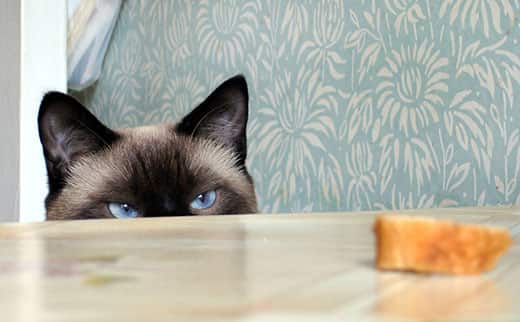
A slice of warm bread is a tasty treat for many pet parents but should it be shared with a feline friend? Can cats eat bread, or is bread bad for cats? Before giving your pet some of your sandwich or baguette, here's what you need to know about cats and bread.
Can Cats Eat Bread?
As is the case with many human foods, small amounts of baked bread are generally OK for cats to eat in moderation. Cats shouldn't eat bread on a regular basis but, rather, reserve it for a once in a while treat.
Healthwise, there is nothing in baked bread that is bad for your cat, but the concern is that it also does not supply nutrients your cat needs. Essentially, for cats, bread is considered a source of empty calories. For a frame of reference, a slice of white bread provides one-fifth of all the calories an average cat needs in a day. So, while two slices of bread might barely satisfy your appetite, it is far too much for your feline friend.
Bread can come in handy if you have to give your cat oral medication. You may be able to hide a pill in soft-baked bread or even squirt liquid medicine on it. However, your cat may not fall for this trick, as many cats will avoid food with medication because of its bitter taste. You may have better luck with canned cat food, but if your cat enjoys a nice bit of bread, you can opt for that route.
Is Bread Bad for Cats?
Now that we know the answer to whether or not cats can eat bread is "yes, in moderation," it brings us to our next question: "Is bread dangerous for cats?" Certain varieties of baked bread are safer for cats than others. A good rule of thumb is the plainer the baked bread, the better it probably is for your cat.
As RSPCA notes, what's safe for a human may be toxic for an animal, and bread is no exception. If baked bread is flavoured with tomato, onion or garlic, the loaf should be considered one of the toxic foods for cats. Steer clear of herbs and spices, too, unless you can confirm they're safe for cats. It's always a good idea to consult your veterinarian before giving any human food to your cat.
In this article, you may have noticed the reference to "baked" bread. That is to clarify that while most baked bread is not one of the dangerous foods for cats, bread dough, which contains active yeast, does poses a substantial risk to a cat's health.


Tasty Tips
Yeast
According to RSPCA Australia, raw dough containing yeast can be toxic to animals, as the live yeast produces ethanol (alcohol) in the stomach once ingested. Raw dough (any kind of yeast dough, not just bread) can expand, just like it does on the counter, inside your cat and lead to a distended stomach and severe bloating. In rare instances, surgery is required to remove the dough mass.
Additionally, ingesting uncooked yeast can cause your kitty to become intoxicated. According to RSPCA Australia, the alcohol produced by fermenting yeast is rapidly absorbed and can cause alcohol intoxication, with signs including disorientation, loss of coordination and depression. In severe cases, this can lead to gastrointestinal irritation, low blood sugar, temporary blindness, and potentially coma or death. Alcohol is a big no-no for all animals because of the toxicity of ethanol, which can be fatal upon ingestion.
Signs of yeast ingestion include vomiting, diarrhoea and excessive gas or bloating. Contact your vet's office or an emergency care clinic right away if you suspect your cat has eaten raw dough containing yeast.
How Does Bread Affect Cat Nutrition?
Cats are obligate carnivores, which means they must get some of their nutrition from meat. In other words, they are obligated to eat some meat. They need a cat food developed with the right ingredients, which provide the right balance of nutrients including meat-based protein, amino acids, vitamins, minerals and energy to keep them at an optimum level of health.
Therefore, before giving your cat bread, consider not only their nutritional intake but their overall health. For example, if your cat has feline diabetes, check with your vet before feeding them bread. As Cat Specialist Services explains, a diet high in protein and low in carbohydrates reflects the natural nutritional needs of cats and can help stabilise blood glucose levels.
In general, you'll want to limit your kitty's snacks as feeding foods they are unaccustomed to can cause stomach upset — even if they don't have a health condition. And remember, bread shouldn't have a regular place in a cat's nutritional plan. It's a savoury treat you can share every so often, in very small bites.

Related products
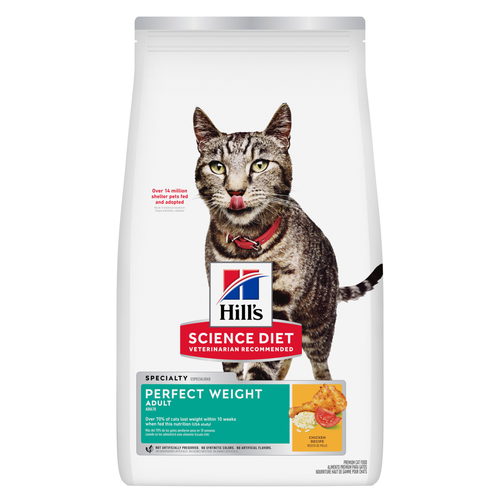
Adult Perfect Weight Chicken Recipe Cat Food
Over 70% of cats lost weight within 10 weeks when fed this nutrition (USA Study)

Adult 11+ Chicken Recipe Cat Food
Supports brain health and beautiful fur in mature cats

Adult Urinary Hairball Control Savory Chicken Entrée Cat Food
Supports the health of the whole urinary system with optimal levels of magnesium
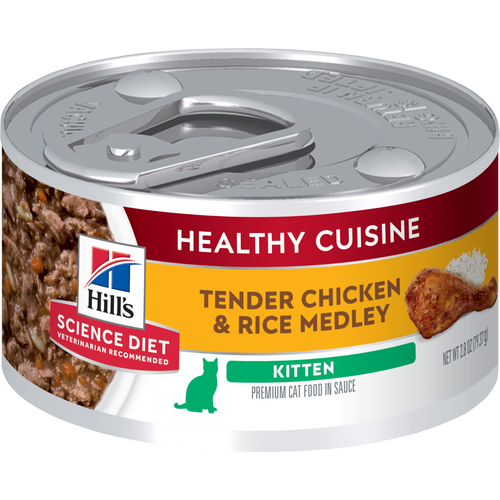
Kitten Healthy Cuisine Tender Chicken & Rice Medley
Delicious tender chicken and rice in a mouthwatering sauce with precisely balanced nutrition to support 5 essential building blocks for lifelong health
Related articles

Brushing & Food: Keys to Maintaining Your Cat's Oral Health
Get helpful information on proper feline oral healthcare and why it's so vital to take care of your cat's teeth.
Caring for Your Cat Through All of Life's Stages
HillsPet Nutrition provides information on proper nutrition, fitness and special needs in keeping your cat healthy and happy.
Common Health Concerns in an Overweight Cat
As a responsible pet owner you owe it to yourself and your cat to understand problems associated with overweight cats.
Weight Gain in Your Cat & How You Can Help
Being overweight puts a cat at risk for developing many serious health issues. Weight gain indicates an increase in body fat and usually results when your cat eats too much and exercises too little.
Put your cat on a diet without them knowing
Our low calorie formula helps you control your cat's weight. It's packed with high-quality protein for building lean muscles, and made with purposeful ingredients for a flavorful, nutritious meal. Clinically proven antioxidants, Vitamin C+E, help promote a healthy immune system.
Put your cat on a diet without them knowing
Our low calorie formula helps you control your cat's weight. It's packed with high-quality protein for building lean muscles, and made with purposeful ingredients for a flavorful, nutritious meal. Clinically proven antioxidants, Vitamin C+E, help promote a healthy immune system.