


Bananas are a nutritional and convenient snack for humans, but the same may not be true for your pets. If you have a feline family member, for instance, you might be wondering, are bananas good for cats? Or, can cats eat bananas as a treat? Let's take a closer look.
Can Cats Eat Bananas?
While many "people foods," like chocolate, are toxic for cats and other pets, and they should be avoided altogether, bananas aren't toxic to pets. It is one of the fruits that cats can eat safely in small portions. But be sure that your cat doesn't munch on any banana peels; the fruit's skin is a choking hazard and not digestible.
Consuming a large amount of bananas may be problematic and contributes to gastrointestinal signs. According to Pet Circle, acute gastrointestinal upset in pets is commonly linked to dietary indiscretion, like when your cat steals a snack from the kitchen table that doesn't end up agreeing with their stomach. Bananas can fall into this category because they don't offer the specific nutrition that cats need. Cats are obligate carnivores, and although they digest well cooked starch, sudden changes in the diet can contribute to gastrointestinal upset.
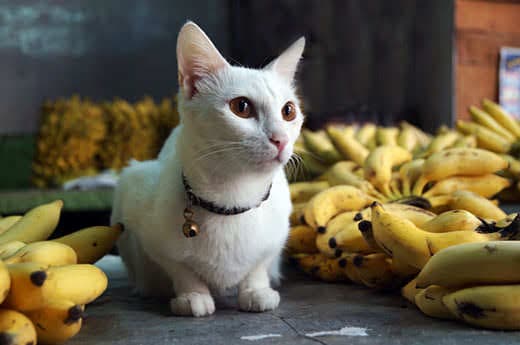
It's important to choose food for your cat that can easily digest and provides the nutrients they need. If you feed banana to your cat, some of the digestive issues to look for include diarrhoea, constipation, vomiting and regurgitation. If you notice any of these or other unusual symptoms, contact your veterinarian right away.
Are bananas safe for kittens? Kittens that are weaned (usually around the age of eight weeks) should be fed "a good-quality kitten food," says the RSPCA. A kitten's digestive system is still developing, and introducing a human food at this early stage can cause inflammation, irritation, sensitivity or other distress.


Tasty Tips
Treat Time: Are Bananas Good for Cats?
Treats should make up less than 10% of your pet's caloric intake, says Pet Circle, and a little banana goes a long way toward that calorie count.
Can cats eat bananas as a nutritious snack? Again, the answer is yes, but in moderation. Because they are calorie-rich, bananas are not at the top of the cat treat list, and your cat may not even want to eat bananas. As Cat Health points out, a cat's "sweet" taste bud receptors are not very strong, so they are not instinctively drawn to sweet foods like bananas. However, if given the chance, many cats may take the opportunity to try something new.
Although bananas are on the safe list, there are certain fruits that you should never feed your cat, including the following:
- Citrus fruits (oranges, tangerines, lemons, grapefruit, limes, etc.)
- Cherries
- Tomatoes
- Grapes
- Raisins
If your furry friend ingests any of these or other toxic foods, contact your vet or an emergency vet clinic right away to determine treatment.
So, can cats eat bananas? As an occasional, fun treat for your kitty, sure, but the better option is to give them healthy cat treats (in moderation) and meals that are specifically formulated with the nutrition they need. Cats require a meat-based meal plan with the right balance of protein and other nutrients, all of which help to keep your feline friend in top form.

Related products
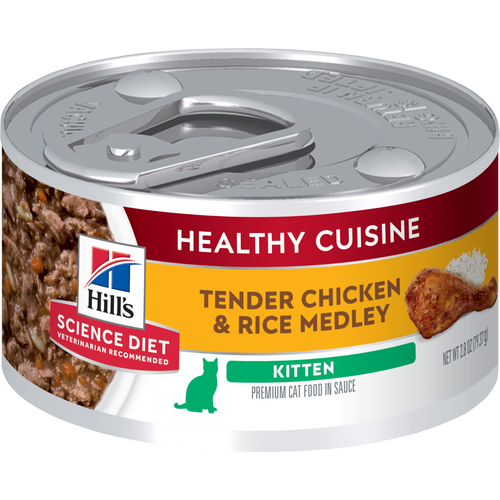
Kitten Healthy Cuisine Tender Chicken & Rice Medley
Delicious tender chicken and rice in a mouthwatering sauce with precisely balanced nutrition to support 5 essential building blocks for lifelong health
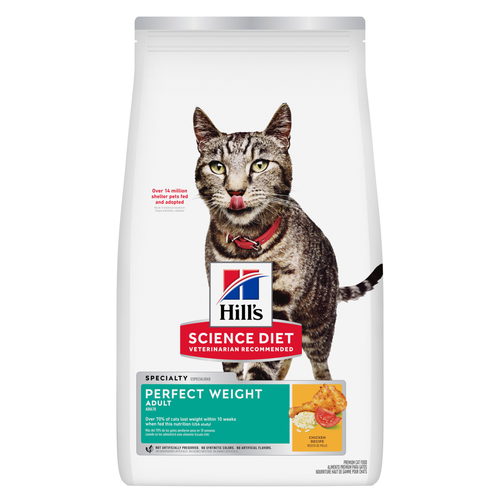
Adult Perfect Weight Chicken Recipe Cat Food
Over 70% of cats lost weight within 10 weeks when fed this nutrition (USA Study)

Adult 11+ Chicken Recipe Cat Food
Supports brain health and beautiful fur in mature cats

Adult Urinary Hairball Control Savory Chicken Entrée Cat Food
Supports the health of the whole urinary system with optimal levels of magnesium
Related articles

Brushing & Food: Keys to Maintaining Your Cat's Oral Health
Get helpful information on proper feline oral healthcare and why it's so vital to take care of your cat's teeth.

Common Health Concerns in an Overweight Cat
As a responsible pet owner you owe it to yourself and your cat to understand problems associated with overweight cats.
Weight Gain in Your Cat & How You Can Help
Being overweight puts a cat at risk for developing many serious health issues. Weight gain indicates an increase in body fat and usually results when your cat eats too much and exercises too little.
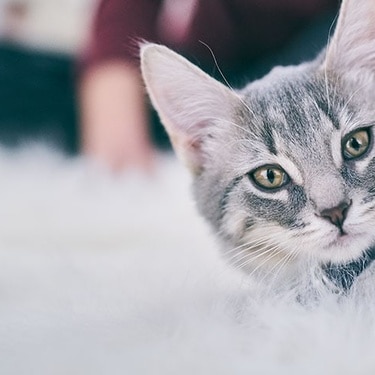
Caring for Your Cat Through All of Life's Stages
HillsPet Nutrition provides information on proper nutrition, fitness and special needs in keeping your cat healthy and happy.
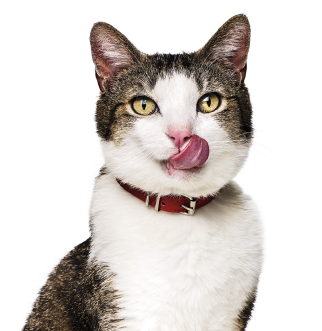
Put your cat on a diet without them knowing
Our low calorie formula helps you control your cat's weight. It's packed with high-quality protein for building lean muscles, and made with purposeful ingredients for a flavorful, nutritious meal. Clinically proven antioxidants, Vitamin C+E, help promote a healthy immune system.
Put your cat on a diet without them knowing
Our low calorie formula helps you control your cat's weight. It's packed with high-quality protein for building lean muscles, and made with purposeful ingredients for a flavorful, nutritious meal. Clinically proven antioxidants, Vitamin C+E, help promote a healthy immune system.