


Kidney disease is one of the most common health concerns affecting cats, particularly as they age. For many cat parents, the subtle early signs can be easy to miss, which is why understanding what to look for is so important. Early detection and proper management can significantly improve your cat's quality of life and comfort.
What Are Kidneys and What Do They Do?
Your cat's kidneys perform several vital functions that keep them healthy. These bean-shaped organs filter waste products from the blood, regulate hydration, support electrolyte balance, help to control blood pressure and produce hormones that help create red blood cells.
When kidneys begin to fail, these functions become compromised. Waste products that would normally be filtered out start to build up in the bloodstream. The body loses its ability to concentrate urine, leading to increased water loss and potential dehydration. This cascade of effects explains why kidney disease produces such a wide range of symptoms throughout the body.
Types of Kidney Disease in Cats
Kidney disease generally falls into two categories: acute kidney injury and chronic kidney disease.
Acute kidney injury occurs suddenly, often due to poisoning, infection, blockages, or trauma. It develops rapidly and requires immediate veterinary attention. The good news is that with prompt treatment, acute kidney injury may be reversible.
Chronic kidney disease (CKD) develops gradually over months or years as kidney function slowly deteriorates. It's much more common in older cats, with studies suggesting that many cats over 15 years of age are affected. While CKD isn't reversible, early detection and proper management can slow its progression and help maintain your cat's quality of life.
Early Warning Signs of Kidney Disease
Recognising the early signs of kidney disease can make a significant difference in your cat's prognosis. Watch for these subtle changes in your cat's behaviour and appearance:
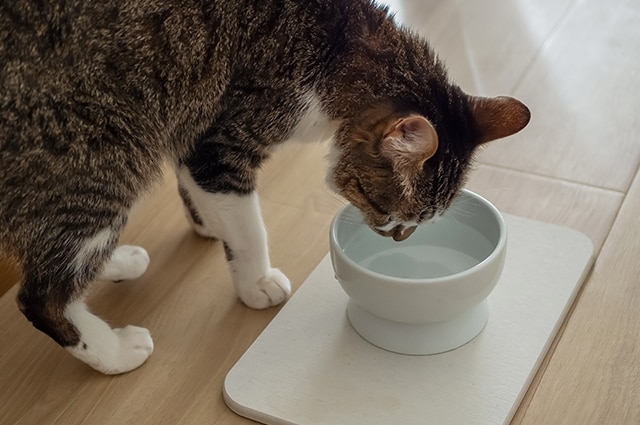
Increased thirst and urination: Often the first detectable signs of kidney problems. You might notice your water bowl emptying faster than usual, or find yourself changing the litter more frequently. Some cats may begin having accidents outside their litter box as they struggle with the increased volume and urgency of urination.
Unexplained weight loss: Keep an eye on your cat’s weight. If they are losing weight despite maintaining normal eating habits. This weight loss occurs as the body struggles to process nutrients properly and increased urination causes calorie loss. Even a loss of 5-10% of body weight can be significant.
Appetite changes: As kidney disease advances, many cats show decreased interest in food. Your previously food-motivated cat might become finicky, only eat certain foods, or walk away from their bowl after just a few bites. Some cats may temporarily increase their food intake to compensate for nutrient losses.
Unusual breath odour: A strong ammonia-like smell (often described as urine-like) can indicate that waste products normally filtered by the kidneys are building up in the bloodstream. This distinctive odour is different from typical "cat breath" and becomes more noticeable with disease progression.
Decreased energy levels: Your normally active cat might become more lethargic, spend more time sleeping, show less interest in play, or stop greeting you at the door. These behavioural changes often develop gradually but reflect how kidney disease affects overall wellbeing.
Coat condition deterioration: Healthy cats are fastidious groomers, but cats with kidney disease often groom less as they feel unwell. You might notice their fur becoming dull, matted, or greasy.
Advanced Signs of Kidney Disease
As kidney disease progresses, the signs become more noticeable and serious. Your cat may develop severe weight loss as the disease disrupts nutrition and metabolism, causing visible muscle wasting particularly along the spine and hips.
Dehydration often occurs despite increased water consumption. You can check by gently pinching the skin at the neck—if it returns slowly to normal position, dehydration may be present. Painful mouth ulcers may develop as waste products accumulate in the bloodstream, causing cats to drool or avoid eating due to discomfort.
Physical abilities typically decline as well. Your once-agile cat might hesitate before jumping, miss jumps entirely, or show reluctance to use stairs. Some cats develop an unsteady gait as the condition progresses.
Vomiting becomes more frequent as waste products that should be filtered by the kidneys build up. This may occur several times weekly, containing partially digested food, clear fluid, or foamy yellow liquid.
Risk Factors for Kidney Disease in Cats
Understanding what puts your cat at higher risk for kidney disease can help you be more vigilant about potential symptoms. Age stands as perhaps the most significant risk factor, with cats over 7 years showing increased vulnerability that rises sharply in senior years. By age 15, approximately one in three cats may have some degree of kidney dysfunction.
Genetics also play an important role, with Abyssinians, Siamese, Russian Blues and Burmese cats showing higher predisposition to kidney problems. If you have one of these breeds, paying extra attention to kidney health throughout their life is wise.
Your cat's overall health history affects their risk level too. Dental issues allow bacteria to enter the bloodstream, potentially damaging kidneys over time. Untreated high blood pressure can harm kidney kidney tissues, while recurrent urinary tract infections may eventually impact kidney function if they track upward.
Environmental factors like exposure to toxins (lilies, antifreeze), certain medications not prescribed by veterinarians and infectious diseases can also damage the kidneys, creating both immediate problems and long-term complications.


Tasty Tips
When to Contact Your Veterinarian
Don't wait to seek veterinary care if you notice:
Significant changes in drinking or urination habits
Refusing food for more than a day
Vomiting more than once in 24 hours
Extreme lethargy or hiding behaviour
Any combination of the symptoms mentioned above
During your veterinary visit, the vet will likely perform a physical examination and ask questions about your cat's symptoms, eating habits and behaviour changes. Be prepared to discuss when you first noticed changes and whether they've been gradual or sudden.
Supporting Your Cat with Kidney Disease
Managing kidney disease focuses on slowing progression, reducing symptoms and improving quality of life through several key approaches. Proper hydration stands as the cornerstone of kidney disease management, as compromised kidneys often lead to dehydration despite increased thirst. Your veterinarian might recommend subcutaneous fluid therapy for advanced cases, while milder cases benefit from wet food, pet fountains and strategically placed water bowls throughout your home.
Medication often plays an important role in management. Your veterinarian may prescribe treatments to control blood pressure, address nausea or poor appetite and regulate phosphorus levels. Some cats require potassium supplements if blood tests reveal deficiencies.
Regular veterinary monitoring allows tracking of blood values and treatment effectiveness, with visits typically becoming more frequent as the disease progresses. Environmental modifications like accessible litter boxes on each level of your home, comfortable resting areas and elevated food and water dishes can significantly improve your cat's comfort and daily experience while living with kidney disease.
Nutrition Recommendations
Nutrition plays a crucial role in supporting kidney health. The right nutrition can help reduce the workload on the kidneys, enabling them to function more effectively.
Specialised kidney foods typically contain:
Controlled levels of high-quality protein to minimise waste products while maintaining muscle mass
Reduced phosphorus and sodium to help protect kidney function
Antioxidants to promote a healthy immune system' or 'high caloric density allowing pets to obtain the needed nutrition with smaller food volume
Hill's Prescription Diet k/d is specifically formulated to support kidney function in cats. This therapeutic food contains ActivBiome+ Kidney Defense, a proprietary blend of prebiotics shown to activate the gut microbiome to help protect kidney function, along with Enhanced Appetite Trigger (E.A.T.) technology to stimulate appetite in cats that may be feeling unwell.
Your veterinarian can recommend the appropriate diet based on your cat's specific needs.
Long-term Management and Quality of Life
Living with a cat with kidney disease requires vigilance and adaptation, but with proper care, many cats maintain a good quality of life for months or years after diagnosis. Regular veterinary check-ups form the foundation of long-term management, with appointments typically needed every 3-6 months depending on your cat's condition.
Home monitoring between vet visits involves tracking your cat's appetite, water intake, energy levels and weekly weight to identify subtle changes before they become serious problems. This information helps you communicate more effectively with your veterinarian.
Creating a stress-free environment becomes increasingly important, as stress can worsen symptoms. Consider establishing quiet zones away from household traffic, maintaining consistent feeding schedules and using pheromone diffusers to promote feelings of security.
Despite physical limitations, the bond between you and your cat remains vital. These meaningful interactions remind us that quality of life often matters most to our feline companions.
Recognising the signs of kidney disease early gives your cat the best chance for successful management. By understanding what to look for – increased thirst and urination, weight loss, decreased appetite and changes in energy levels – you can seek veterinary care promptly.
While a diagnosis of kidney disease can feel overwhelming, remember that many cats live comfortably for years with proper care.
If you notice any concerning changes in your cat's behaviour or appearance, don't hesitate to consult your veterinarian. Your attentiveness and quick action can make all the difference in your feline friend's health and happiness.

Related products
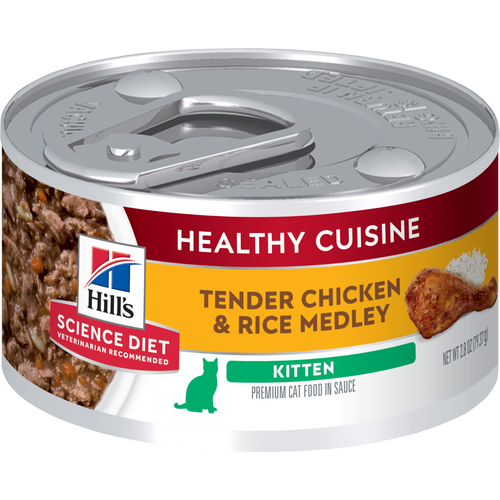
Kitten Healthy Cuisine Tender Chicken & Rice Medley
Delicious tender chicken and rice in a mouthwatering sauce with precisely balanced nutrition to support 5 essential building blocks for lifelong health

Adult 11+ Chicken Recipe Cat Food
Supports brain health and beautiful fur in mature cats

Adult Urinary Hairball Control Savory Chicken Entrée Cat Food
Supports the health of the whole urinary system with optimal levels of magnesium
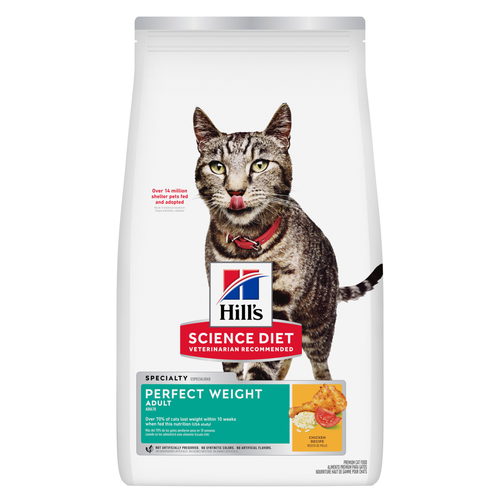
Adult Perfect Weight Chicken Recipe Cat Food
Over 70% of cats lost weight within 10 weeks when fed this nutrition (USA Study)
Related articles
Weight Gain in Your Cat & How You Can Help
Being overweight puts a cat at risk for developing many serious health issues. Weight gain indicates an increase in body fat and usually results when your cat eats too much and exercises too little.

Brushing & Food: Keys to Maintaining Your Cat's Oral Health
Get helpful information on proper feline oral healthcare and why it's so vital to take care of your cat's teeth.
Caring for Your Cat Through All of Life's Stages
HillsPet Nutrition provides information on proper nutrition, fitness and special needs in keeping your cat healthy and happy.
Common Health Concerns in an Overweight Cat
As a responsible pet owner you owe it to yourself and your cat to understand problems associated with overweight cats.
Put your cat on a diet without them knowing
Our low calorie formula helps you control your cat's weight. It's packed with high-quality protein for building lean muscles, and made with purposeful ingredients for a flavorful, nutritious meal. Clinically proven antioxidants, Vitamin C+E, help promote a healthy immune system.
Put your cat on a diet without them knowing
Our low calorie formula helps you control your cat's weight. It's packed with high-quality protein for building lean muscles, and made with purposeful ingredients for a flavorful, nutritious meal. Clinically proven antioxidants, Vitamin C+E, help promote a healthy immune system.