


What Are Food Sensitivities?
Before exploring what else might be causing your pet's symptoms, it's helpful to understand what food sensitivities actually are. True food allergies involve an immune system response to a specific protein or ingredient, whilst food sensitivities refer to adverse reactions that don't involve the immune system in the same way. Both can produce similar symptoms: persistent itching, skin irritation, recurrent ear infections, digestive upset, or changes in coat quality.
Here's what many pet parents don't realise: these same symptoms overlap with numerous other conditions. A dog with seasonal itching might not have a beef sensitivity at all but they could be reacting to spring pollen. A cat with digestive issues might be stressed by a new household routine rather than struggling with their food. Whilst food sensitivities do occur in pets, they're less common than the symptoms might suggest, which is why veterinary assessment is so important for accurate diagnosis.
When It's Not the Food Bowl
Understanding that sensitivity symptoms can arise from non-food sources helps you and your vet identify the actual problem more quickly. Let's explore the most common non-food triggers.
Environmental Allergens
Just like humans, pets can develop reactions to environmental allergens. Pollen from grasses, trees, and weeds, dust mites in bedding and carpets, mould spores in damp areas—all of these can trigger the same itching, scratching, and skin irritation that pet parents often attribute to food. In Australian environments, native grasses and seasonal pollen can be particularly problematic.
Timing often provides valuable clues. If your dog's symptoms flare up during spring and summer but improve in cooler months, environmental allergens are likely culprits. Contact allergies can also develop from cleaning products, fabric softeners, or even specific types of grass. Pay attention to when and where symptoms appear as it could reveal patterns that point away from the food bowl entirely.
Stress and Its Physical Impact
The connection between emotional wellbeing and physical health is just as real for pets as it is for humans. Stress can manifest in ways that look remarkably like food sensitivities: digestive upset, excessive grooming that leads to skin problems, changes in appetite, and even altered immune function that makes pets more reactive to various triggers.
Common stressors include household changes like moving or renovations, the addition of new pets or family members, separation anxiety when routines shift, and changes in their daily schedule. A stressed cat might over-groom until bald patches appear. An anxious dog might develop loose stools. These physical symptoms can easily be mistaken for food reactions when the underlying issue is emotional.
Recognising the Signs: What to Watch For
Identifying patterns in your pet's symptoms helps your veterinarian determine the underlying cause. Behavioural changes often provide early clues: excessive scratching or licking, frequent face rubbing, restlessness, or changes in eating patterns. Physical signs include red or inflamed skin, hot spots, recurrent ear infections, digestive upset, and changes in coat quality or texture.
Timing and context matter significantly. Does the scratching worsen after walks in the park? Do symptoms appear seasonally? Is your pet reacting to specific rooms in the house or particular activities? Keeping a symptom diary can be incredibly valuable. Note when symptoms occur, their severity, any potential triggers, and what seems to provide relief. This documentation gives your vet concrete information to work with rather than relying on memory alone.
Some symptoms require immediate veterinary attention: severe skin infections, persistent vomiting or diarrhoea, signs of pain or distress, or sudden behavioural changes. Early consultation leads to faster relief and prevents minor issues from becoming serious problems. Remember, you're not meant to diagnose the issue yourself, but your observations can help your vet identify the root cause more efficiently.



Tasty Tips
Getting to the Root Cause: Veterinary Diagnosis
Professional veterinary assessment is non-negotiable when your pet shows signs of sensitivities. The diagnostic process typically begins with a thorough physical examination and discussion of your pet's history and symptoms. Depending on what your vet observes, they might recommend skin testing to identify environmental allergens, blood work to rule out underlying health conditions, faecal examination to check for parasites, or a structured dietary trial.
Elimination diets, when indicated, involve feeding a simplified nutrition plan with novel proteins or hydrolysed ingredients to determine if food plays a role. These trials must be done under veterinary supervision to ensure nutritional adequacy and proper implementation. Hill's Prescription Diet z/d, for instance, features highly hydrolysed protein that's less likely to trigger reactions, making it useful in diagnostic elimination trials under the supervision of your vet.
Proper elimination trials typically take up to 8 weeks to produce reliable results. This requires strict adherence—no treats, table scraps, or flavoured medications that could interfere with the trial. It's a commitment, but it's the gold standard for identifying true food sensitivities. Attempting diagnosis without veterinary guidance risks nutritional imbalances and can delay identification of the actual problem, leaving your pet uncomfortable for longer than necessary.
A Multimodal Approach to Management
Once your veterinarian identifies the cause of your pet's symptoms, management typically requires multiple strategies working together. This comprehensive approach addresses the root cause whilst providing symptom relief and preventing recurrence.
Dietary Management
Appropriate nutrition plays a supporting role in managing sensitivity symptoms, particularly when food is identified as a contributing factor. Specialised formulations can help manage symptoms whilst addressing specific needs, but always as part of a broader veterinary-guided care plan. For pets with confirmed food sensitivities, options like Hill's Prescription Diet z/d provide highly hydrolysed protein sources. For skin-related signs, Hill's Prescription Diet Derm Complete offers nutritional support including bioactives and phytonutrients to help normalise immune response.
Consistency matters significantly during the management phase. This means avoiding treats, table scraps, and flavoured medications unless approved by your vet. Even small amounts of non-approved foods can interfere with management and trigger symptoms. Your veterinarian will guide you on appropriate options alongside any other treatments they recommend.
Environmental Management
If environmental allergens contribute to your pet's allergy signs, reducing exposure helps bring relief. Regular vacuuming and washing of bedding minimises dust mites. Air purifiers can reduce airborne allergens in your home. During high pollen days, limiting outdoor exposure and wiping your pet's paws and coat after walks prevents allergens from spreading throughout your house. Choose pet-safe cleaning products to avoid contact reactions, and consider whether household products might be contributing to skin irritation.
Stress Reduction
For pets whose symptoms have a stress component, creating calm environments supports overall wellbeing. Maintain consistent daily routines as much as possible. Provide quiet spaces where your pet can retreat when feeling overwhelmed. Appropriate enrichment activities like puzzle feeders for food-motivated pets, vertical spaces for cats, or regular exercise for dogs can help reduce anxiety. Sometimes, working with a veterinary behaviourist can provide additional strategies for anxious pets.

Ongoing Veterinary Care
Regular check-ups allow your vet to monitor your pet's progress and adjust the management plan as needed. Some pets may benefit from medications or supplements alongside nutritional and environmental modifications. Maintaining open communication with your veterinary team ensures that any changes in symptoms are addressed promptly. Remember, what works initially might need adjustment over time as your pet's needs evolve.
Moving Forward with Confidence
Sensitivity symptoms in pets rarely have simple, single causes. What appears to be a food problem might actually stem from environmental allergens, stress, gut health issues, or a combination of factors. This complexity is precisely why partnership between pet parents and veterinarians is so valuable. Your observations provide crucial information, whilst your vet's expertise identifies the underlying cause and develops an effective management strategy.
The good news? With accurate diagnosis and comprehensive care, most pets experience significant improvement in their symptoms. Some may need ongoing management, but many go on to live comfortable, happy lives free from persistent itching, digestive upset, and skin problems. The key is approaching the situation methodically rather than guessing or constantly switching foods in hopes of stumbling upon a solution.
If your pet is showing signs of sensitivities whether it's persistent scratching, digestive issues, skin irritation, or recurrent ear infections, you should schedule a veterinary appointment. Don't wait to see if symptoms resolve on their own or attempt to diagnose the issue yourself. Early professional intervention means faster relief for your pet and peace of mind for you. You've already taken an important step by educating yourself about the various factors that can contribute to sensitivity symptoms. Now, work with your vet to identify exactly what's affecting your pet and develop a targeted plan that brings lasting relief.
Your pet depends on you to be their advocate and to seek appropriate professional care when something isn't right. By understanding that the problem might extend beyond the food bowl, you're better equipped to have productive conversations with your veterinarian and support your pet's return to comfort and wellbeing.
FAQs
Yes, pets can develop reactions to environmental allergens just like humans. Pollen from grasses, trees and weeds, dust mites in bedding and carpets, and mould spores can all trigger itching, scratching and skin irritation. In Australian environments, native grasses and seasonal pollen can be particularly problematic. If symptoms flare up during spring and summer but improve in cooler months, environmental allergens are likely culprits.
Stress can manifest in ways that look remarkably like food sensitivities, including digestive upset, excessive grooming leading to skin problems, changes in appetite and altered immune function. Common stressors include household changes like moving or renovations, addition of new pets or family members, separation anxiety and changes in daily schedule. A stressed cat might over-groom until bald patches appear, whilst an anxious dog might develop loose stools.
Your pet's gut microbiome is the complex community of bacteria and other microorganisms in their digestive tract, playing a vital role in overall health and immune function. When this delicate balance is disrupted through recent illness, antibiotic use, parasitic infections or poor nutrient absorption, sensitivity symptoms can emerge regardless of food quality. Supporting a healthy gut microbiome is an important part of comprehensive wellness care.
Proper elimination trials typically typically take up to 8 weeks to produce reliable results. These trials must be done under veterinary supervision and require strict adherence with no treats, table scraps or flavoured medications that could interfere with results. This commitment is necessary as elimination diets are the gold standard for identifying true food sensitivities in pets.
Some symptoms require immediate veterinary attention including severe skin infections, persistent vomiting or diarrhoea, signs of pain or distress, and sudden behavioural changes. Early consultation can lead to faster relief and prevents minor issues from becoming serious problems. Professional veterinary assessment is essential when your pet shows signs of sensitivities.
To reduce environmental allergen exposure, regularly vacuum and wash your pet's bedding to minimise dust mites, use air purifiers to reduce airborne allergens, limit outdoor exposure during high pollen days, wipe your pet's paws and coat after walks, and choose pet-safe cleaning products. These environmental management strategies work alongside veterinary treatment to help bring relief to pets with sensitivities.
No, you shouldn't constantly switch foods hoping to find a solution. Sensitivity symptoms in pets rarely have simple, single causes and what appears to be a food problem might actually stem from environmental allergens, stress, gut health issues or a combination of factors. Schedule a veterinary appointment for proper diagnosis rather than attempting to diagnose the issue yourself, as early professional intervention can mean faster relief for your pet.

Related products
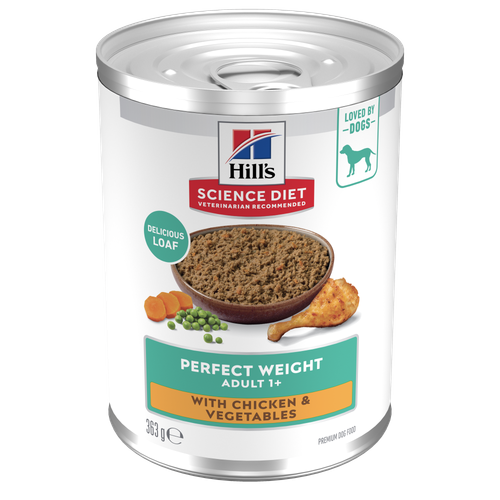
Perfect Weight Adult Wet Dog Food
Over 70% of dogs lost weight within 10 weeks when fed this nutrition

Adult Perfect Weight & Joint Support Chicken & Brown Rice Recipe Dog Food
This weight management and mobility support dog food was created with Hill’s unique understanding of the biology of overweight dogs.
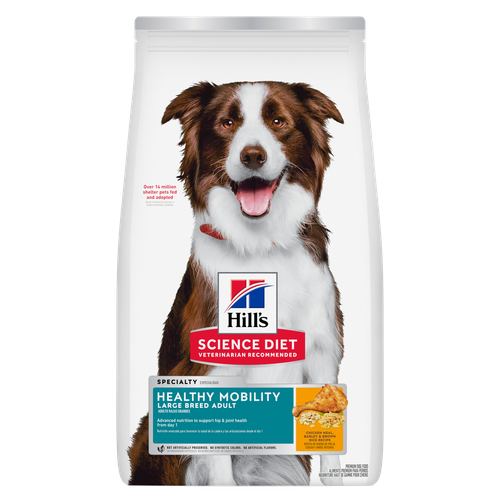
Healthy Mobility Large Breed Chicken Meal, Barley & Brown Rice Recipe Dog Food
Advanced nutrition shown to support joint health and improve mobility

Adult 6+ Large Breed Chicken Meal, Barley & Rice Recipe Dog Food
Supports energy level, joint health, and beautiful coat in large breed mature dogs
Related articles

Creating a Safe Space for Your New Pet
Learn how to set up the perfect safe haven for your new dog or cat. Expert tips on location, essentials, and helping your pet adjust to their new Australian home.

How to Understand Your Cat's and Dog's Hierarchy of Needs
Pet Hierarchy of Needs: nutrition, safety, enrichment & play. Learn expert pet care tips to help your cat or dog thrive at every age.

How Much Does It Cost to Own a Pet in Australia?
From upfront costs to vet bills and pet insurance, discover what it really costs to own a dog or cat in Australia. Plan your pet budget with Hill's.

Can Dogs and Cats Eat Butter?
Learn all about whether butter is safe for your dog or cat and what to do if they eat it.
Put your pet on a diet without them knowing
Our low calorie formula helps you control your pet's weight. It's packed with high-quality protein for building lean muscles, and made with purposeful ingredients for a flavorful, nutritious meal. Clinically proven antioxidants, Vitamin C+E, help promote a healthy immune system.
Put your pet on a diet without them knowing
Our low calorie formula helps you control your pet's weight. It's packed with high-quality protein for building lean muscles, and made with purposeful ingredients for a flavorful, nutritious meal. Clinically proven antioxidants, Vitamin C+E, help promote a healthy immune system.