


Bringing home a new puppy is an exciting milestone filled with cuddles, playtime, and those irresistible puppy dog eyes. Yet alongside the joy comes one of the most pressing challenges every new puppy parent faces: toilet training. That puddle on your favourite rug or the surprise you discover behind the sofa can test even the most patient pet parent's resolve.
The good news? Successful toilet training doesn't require magic or endless frustration. With the right approach, consistency, and understanding of your puppy's development, you can establish lifelong habits that make both you and your furry friend happier. This comprehensive guide walks you through every stage of the toilet training process, from knowing when to start through to troubleshooting those inevitable setbacks.
Whether you're preparing for your puppy's arrival or already navigating the challenges of house training, this step-by-step approach gives you the tools and knowledge to succeed. Let's transform those toilet training worries into confident, positive progress.
When to Start Toilet Training
Most puppies join their new families between 8 and 12 weeks of age, and this is the ideal time to begin toilet training. At this stage, puppies are developing the physical capacity to control their bladder and bowels, though their abilities remain limited compared to adult dogs.
Understanding your puppy's developmental stage helps set realistic expectations. A young puppy's bladder control follows a general rule: Understanding your puppy's developmental stage helps set realistic expectations. The younger the puppy, typically the shorter the amount of time that they can hold on. Very young pups may need to go outside every hour or two during waking hours. For example, a three-month-old puppy can typically manage around four hours between toilet breaks. Very young puppies may need to go outside every hour or two during waking hours.
Watch for signs that your puppy needs to use the toilet. Common indicators include sniffing the ground intently, circling in one spot, whining or barking at the door, suddenly leaving play to wander off, or squatting. Learning to recognise these signals allows you to act quickly and guide your puppy to the appropriate toilet area.
Starting early matters because it's far easier to establish good habits than to break bad ones. Puppies are naturally inclined to keep their sleeping areas clean, and you can build on this instinct to teach them where toileting is appropriate. The earlier you begin consistent training, the faster your puppy will learn.
Remember that accidents are inevitable during the learning process. Young puppies are still developing physical control and cognitive understanding. Patience and consistency during these early weeks lay the foundation for a well-trained adult dog.
Setting Up Your Home for Success
Preparation significantly influences your toilet training success. Start by choosing a designated toilet area outdoors. Select a spot that's easily accessible, relatively quiet, and away from high-traffic areas where distractions might interrupt your puppy's focus. Consistency is key, so always take your puppy to the same spot. The familiar scent helps trigger the association between location and toileting.
For those living in apartments or experiencing harsh weather, indoor alternatives like puppy pads or artificial grass patches can serve as interim solutions. However, outdoor training from the start avoids the confusion of later transitioning your puppy outside.
Gather essential tools before your puppy arrives. Enzyme-based cleaning products are crucial for effectively removing odours from accidents. Regular household cleaners often contain ammonia, which smells similar to urine and can actually encourage puppies to toilet in the same spot again. You'll also need a properly sized crate or confinement pen, a lead for outdoor toilet trips, and high-value treats for rewards.
Creating the right environment involves making your chosen toilet area inviting and accessible. Remove obstacles that might prevent quick access, especially during those urgent moments. If using a crate, ensure it's just large enough for your puppy to stand, turn around, and lie down comfortably. A crate that's too large defeats its purpose, as puppies can toilet in one corner and sleep in another.
Set up safe confinement spaces for times when you cannot actively supervise. A small, puppy-proofed area with washable flooring works well. This prevents accidents in hard-to-clean areas while teaching your puppy appropriate toileting habits.
Establishing a Consistent Routine
Consistency forms the backbone of successful toilet training. Puppies thrive on routine, and a predictable schedule helps them learn when and where they should toilet. Take your puppy outside first thing in the morning, immediately after waking from naps, within 15 to 30 minutes after meals, following play sessions, and just before bedtime.
Very young puppies may need a middle-of-the-night toilet break. Set an alarm if necessary, as this prevents accidents and reinforces proper habits. As your puppy matures, they'll naturally manage longer periods overnight.
Timing meals strategically creates predictable toilet patterns. Feed your puppy at the same times each day, which leads to regular bowel movements on a schedule you can anticipate. High-quality, easily digestible food supports this predictability. Hill's Science Diet Puppy formulas, for instance, provide optimal nutrition that promotes healthy digestion and regular bowel movements, making toilet training more manageable.
Water should remain available at all times, though you might limit intake an hour or two before bedtime to reduce overnight accidents.
Develop a consistent toilet cue or command. Choose a simple phrase like "go toilet" or "do your business" and use it every time you take your puppy to their toilet area. Say the phrase calmly while your puppy is actively toileting. Over time, they'll associate the words with the action, and eventually, the command itself can trigger the behaviour.


Tasty Tips
Supervision and Managing Indoor Accidents
Active supervision prevents accidents and accelerates learning. During the toilet training phase, your puppy should always be within sight. Watch for warning signs that they need to use the toilet, and respond immediately by taking them to the designated area.
When you cannot provide direct supervision, use strategic confinement. Crate training serves as an invaluable tool here, not as punishment but as a safe space. Puppies instinctively avoid soiling their sleeping area, making a properly sized crate an effective training aid. However, never leave puppies crated for longer than they can reasonably hold their bladder. Young puppies need frequent breaks.
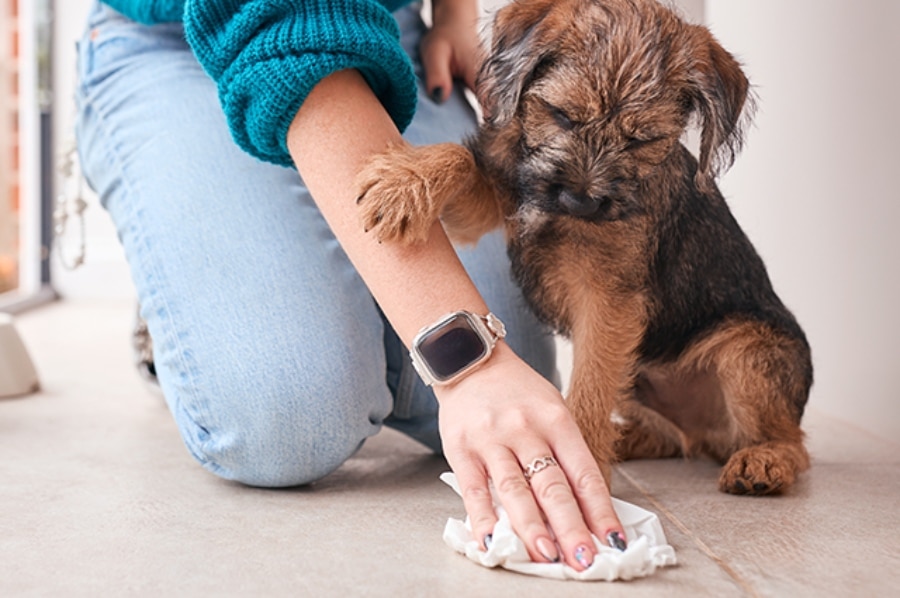
Despite your best efforts, accidents will happen. When you catch your puppy toileting indoors, interrupt them with a gentle but firm sound like a clap or "ah-ah." Immediately take them outside to their toilet area, even if they've already finished. If they complete toileting outside, offer praise and a treat. This teaches the right location without creating fear.
Never punish your puppy for accidents, especially after the fact. Puppies cannot connect punishment with an action that occurred minutes or hours earlier. Punishment only creates fear and confusion, potentially leading to puppies hiding or becoming anxious around you.
Clean accidents thoroughly with enzyme cleaners specifically designed for pet urine and faeces. These products break down the organic compounds that create lingering odours, preventing your puppy from returning to the same spot. Regular household cleaners may mask odours to human noses but leave scent markers that dogs can still detect.
Positive Reinforcement and Rewards
Positive reinforcement accelerates toilet training and strengthens your bond with your puppy. The moment your puppy finishes toileting in the correct spot, offer enthusiastic verbal praise and a high-value treat. Timing is critical. Rewards given within two to three seconds of the desired behaviour create the strongest associations.
Choose treats that are small, soft, and quick to consume. Your puppy shouldn't spend several minutes chewing while the connection between toileting and reward fades. Reserved treats that your puppy only receives for successful toileting become especially motivating.
Initially, reward every successful toilet trip. As your puppy becomes more consistent, gradually reduce treat frequency while maintaining verbal praise. This transition prevents your puppy from becoming treat-dependent while reinforcing the habit.
Some puppies become so excited about returning inside for their treat that they rush through toileting or don't fully empty their bladder. If this happens, give the reward outside immediately after they finish, then head back in. This ensures they've completed the task before receiving reinforcement.
Understanding why punishment fails helps you stay committed to positive methods. Punishment teaches puppies to fear you rather than understand what behaviour you want. Puppies who are punished for accidents often learn to hide when toileting, making training harder. They may also develop anxiety around toileting in your presence, even in appropriate locations.
Instead of focusing on what went wrong, catch your puppy doing things right. The more you can reward successful outdoor toileting, the faster your puppy learns. This positive approach builds confidence and trust whilst establishing clear expectations.
Troubleshooting Common Challenges
Even with consistent training, challenges arise. Regression is common during developmental phases, typically around four to six months when puppies experience hormonal changes, or during periods of environmental change like moving house or new family members arriving. When regression occurs, return to basics. Increase supervision, reduce freedom, and reinforce the routine until your puppy regains consistency.
Separation anxiety can complicate toilet training. Puppies suffering from anxiety may have accidents due to stress rather than lack of training. Signs include destructive behaviour, excessive vocalisation, and accidents that occur specifically when you're absent. Address separation anxiety separately through gradual desensitisation and, if needed, professional behavioural support.
Medical issues sometimes masquerade as training problems. If your previously consistent puppy suddenly has frequent accidents, struggles or strains whilst toileting, has blood in their urine or stools, or shows signs of discomfort, consult your veterinarian promptly. Urinary tract infections, intestinal parasites, and other health conditions can affect bladder and bowel control, making successful training impossible until the underlying issue is treated.
Some puppies train quickly whilst others take longer. Breed, individual temperament, and previous experiences all influence the learning timeline. Small breed puppies often take longer to train due to their smaller bladders and faster metabolisms. Stay patient and maintain consistency regardless of how quickly your puppy progresses.
Toilet training your puppy requires patience, consistency, and a positive approach, but the investment pays lifelong dividends. By understanding your puppy's developmental needs, establishing clear routines, and using positive reinforcement, you're setting both of you up for success.
Remember that every puppy learns at their own pace. Celebrate small victories along the way, whether it's your first accident-free day or your puppy indicating they need to go outside. These milestones mark real progress.
If persistent challenges arise despite consistent training efforts, don't hesitate to consult your veterinarian. They can rule out medical issues and provide additional guidance tailored to your puppy's specific needs.
With dedication and the strategies outlined in this guide, you'll soon enjoy the confidence and freedom that comes with a fully toilet-trained dog. Your patience now creates a foundation for years of happy, accident-free companionship.
FAQ
When should I start toilet training my puppy?
The ideal time to begin toilet training is when your puppy joins your family, typically between 8 and 12 weeks of age. At this stage, puppies are developing the physical capacity to control their bladder and bowels. Starting early is crucial as it's far easier to establish good habits than to break bad ones. Remember that a puppy's age in months plus one equals the maximum hours they can hold on, so a three-month-old puppy can typically manage around four hours between toilet breaks.
How often should I take my puppy outside for toilet breaks?
Take your puppy outside first thing in the morning, immediately after waking from naps, within 15 to 30 minutes after meals, following play sessions, and just before bedtime. Very young puppies may need to go outside every hour or two during waking hours, and might also require a middle-of-the-night toilet break. As your puppy matures, they'll naturally manage longer periods between breaks. Consistency in this routine is essential for successful toilet training.
What are the signs my puppy needs to use the toilet?
Common indicators that your puppy needs to toilet include sniffing the ground intently, circling in one spot, whining or barking at the door, suddenly leaving play to wander off, or squatting. Learning to recognise these signals allows you to act quickly and guide your puppy to the appropriate toilet area before an accident occurs. Watch your puppy closely during the training phase to catch these warning signs early.
How should I respond when my puppy has an accident indoors?
The timeline varies considerably depending on breed, individual temperament, and previous experiences. Some puppies train quickly whilst others take longer. Small breed puppies often take longer to train due to their smaller bladders and faster metabolisms. With consistent training, patience, and positive reinforcement, most puppies show significant progress within a few weeks to several months. The key is maintaining consistency regardless of how quickly your puppy progresses, celebrating small victories along the way.
Why is my previously toilet-trained puppy suddenly having accidents?
Regression is common during developmental phases, typically around four to six months when puppies experience hormonal changes, or during periods of environmental change like moving house or new family members arriving. However, if your previously consistent puppy suddenly has frequent accidents, struggles whilst toileting, has blood in their urine or stools, or shows signs of discomfort, consult your veterinarian promptly. Medical issues like urinary tract infections or intestinal parasites can affect bladder and bowel control.
How long does it typically take to fully toilet train a puppy?
The timeline varies considerably depending on breed, individual temperament, and previous experiences. Some puppies train quickly whilst others take longer. Small breed puppies often take longer to train due to their smaller bladders and faster metabolisms. With consistent training, patience, and positive reinforcement, most puppies show significant progress within a few weeks to several months. The key is maintaining consistency regardless of how quickly your puppy progresses, celebrating small victories along the way.
Should I use puppy pads or train my puppy to toilet outside from the start?
Outdoor training from the start is generally recommended as it avoids the confusion of later transitioning your puppy outside. However, for those living in apartments or experiencing harsh weather, indoor alternatives like puppy pads or artificial grass patches can serve as interim solutions. If you do use indoor options initially, be prepared for a transition period when you eventually move to outdoor toileting. Choose a designated outdoor toilet area that's easily accessible, relatively quiet, and away from high-traffic areas, and always take your puppy to the same spot for consistency.
What role does diet play in successful puppy toilet training?
Diet plays a significant role in toilet training success. Feeding your puppy at the same times each day leads to regular bowel movements on a schedule you can anticipate. High-quality, easily digestible food supports this predictability and promotes healthy digestion. Water should remain available at all times, though you might limit intake an hour or two before bedtime to reduce overnight accidents.

Related products
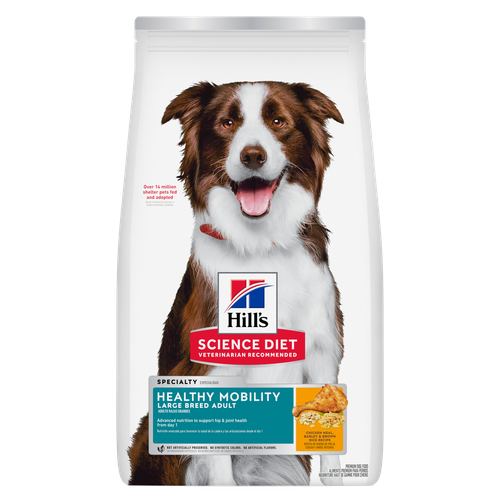
Healthy Mobility Large Breed Chicken Meal, Barley & Brown Rice Recipe Dog Food
Advanced nutrition shown to support joint health and improve mobility

Adult Perfect Weight & Joint Support Chicken & Brown Rice Recipe Dog Food
This weight management and mobility support dog food was created with Hill’s unique understanding of the biology of overweight dogs.
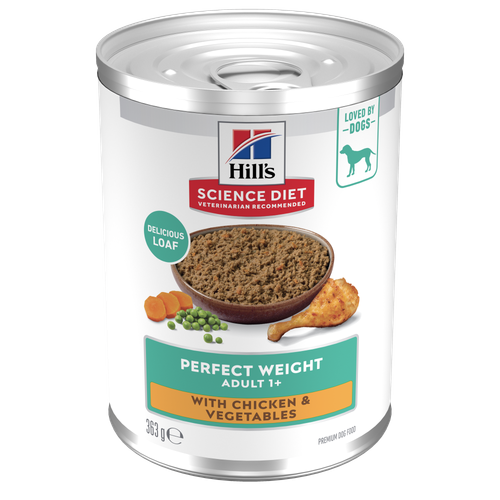
Perfect Weight Adult Wet Dog Food
Over 70% of dogs lost weight within 10 weeks when fed this nutrition

Adult 6+ Large Breed Chicken Meal, Barley & Rice Recipe Dog Food
Supports energy level, joint health, and beautiful coat in large breed mature dogs
Related articles
Things You Can Do to Help Your Dog's Sensitive Stomach
A dog with a sensitive stomach has special needs. Learn more about sensitive stomach symptoms in your dog, what you can do to help sooth your pet’s insides and get recommendations on sensitive stomach dog food.
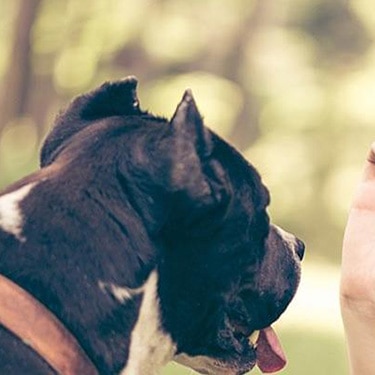
What to Feed Your Pregnant or Nursing Dog
Learn what you can feed your pregnant or nursing dog to keep her and her new pups healthy.
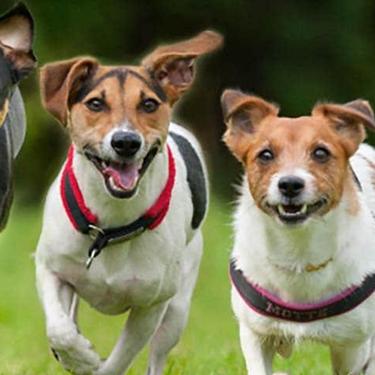
Hill's Puppy Food: Quality Ingredients for Health & Nutrition
Selecting the right food for your puppy is a key to quality nutrition and a long, healthy life., Learn more about how to select the right puppy food.
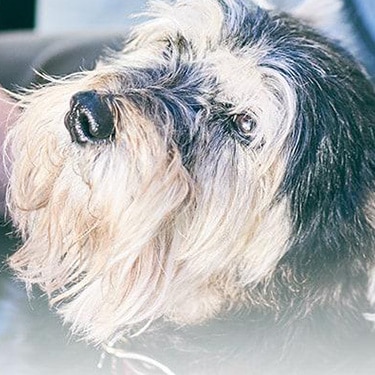
Helpful Tips for Exercising with Your Dog
Though it may seem like your four-legged friend loves nothing more than to nap on the couch, dogs need regular exercise to stay healthy just like people do.
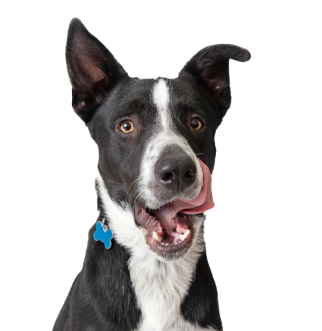
Put your dog on a diet without them knowing
Our low calorie formula helps you control your dog's weight. It's packed with high-quality protein for building lean muscles, and made with purposeful ingredients for a flavorful, nutritious meal. Clinically proven antioxidants, Vitamin C+E, help promote a healthy immune system.
Put your dog on a diet without them knowing
Our low calorie formula helps you control your dog's weight. It's packed with high-quality protein for building lean muscles, and made with purposeful ingredients for a flavorful, nutritious meal. Clinically proven antioxidants, Vitamin C+E, help promote a healthy immune system.