


You've noticed your cat has put on a bit of weight. Perhaps she's not jumping onto her favourite windowsill as easily, or maybe your vet mentioned it during the last check-up. As a caring pet parent, you're right to be concerned as excess weight can significantly impact your cat's quality of life, and you want to help your feline friend return to a healthy weight.
Here's the truth: successful weight loss for cats isn't about simply feeding less food or buying "light" kibble. It requires a thoughtful, comprehensive approach that combines proper nutrition, encouraging movement, and working closely with your veterinarian. When these three elements work together, you can create a sustainable plan that helps your cat achieve and maintain a healthy weight whilst preserving their quality of life.
In this article, we'll explore how therapeutic nutrition, practical exercise strategies, and regular veterinary support form a winning combination for feline weight management. Whether your cat needs to lose a little or a lot, this integrated approach offers the best chance for safe, lasting results.
Understanding Why Weight Matters for Cats
Extra weight affects cats differently than it does humans. A cat carrying just 1-2 kilograms above her ideal weight is proportionally similar to a person carrying 10-15 extra kilograms. That additional weight puts stress on joints, makes grooming difficult, and can reduce your cat's overall quality of life.
Overweight cats often face reduced mobility, making it harder to play, climb, or even use the litter box comfortably. The extra weight can also increase the risk of various health conditions, affect their ability to regulate blood sugar, and put strain on vital organs. You might notice your cat sleeping more, showing less interest in play, struggling to groom hard-to-reach areas, or breathing more heavily after mild activity.
But here's the encouraging news: with the right weight management plan, cats can safely lose weight and regain their vitality. Many pet parents notice that their cats become more playful, sociable, and comfortable once they've shed excess weight. The transformation often extends beyond the scales and it's about giving your cat the chance to feel like themselves again.
The key is approaching weight loss as a gradual, sustainable process rather than a quick fix. Cats require careful management during weight loss to protect their liver health and maintain lean muscle mass. That's why the combination of appropriate nutrition, regular movement, and professional guidance is so important.
The Foundation: Therapeutic Nutrition for Weight Management
Not all cat food is created equal when it comes to weight management. Whilst it might seem logical to simply reduce portions of regular food, this approach often leaves cats feeling hungry and can result in nutrient deficiencies. More concerning, feeding too few calories can be dangerous for cats, potentially leading to serious health complications.
Therapeutic weight management nutrition such as Hill's Prescription Diet Metabolic, takes a smarter approach. These specially formulated foods are created to help cats lose weight safely whilst keeping them satisfied. The science behind these foods addresses the unique biology of overweight cats, whose metabolism and nutritional needs differ from cats at a healthy weight.
What makes Hill’s Prescription Diet Metabolic weight management nutrition effective? Several key elements work together:
Just like the human obesity epidemic, over 55% of the pet population is overweight. Even a little extra weight can impact the pet's quality of life and relationship with family as the extra weight can reduce play time, impact mobility and affect the lifelong general health of your cat. Maintaining ideal weight can help impact life expectancy by reducing risk of weight-related conditions.
Hill's nutritionists & veterinarians developed Prescription Diet Metabolic clinical nutrition specially formulated to help cats lose weight and keep the lost weight off naturally by activating their unique metabolism. This food stimulates the cat's natural ability to burn fat and keep them playful & active. Its unique blend of fibre helps keep cats feeling full and reduces food hunger between meals.
In fact, 88% of pets lost weight at home in 2 months when fed the nutrition of Metabolic. This dry food is made with chicken flavour and has an irresistible taste that cats love.
How it works:
Activates pet's metabolism for easy and effective weight loss
Stimulate cat's natural ability to burn fat
Unique blend of fibre helps keep cats feeling full and satisfied
High-quality protein helps to preserve lean muscle mass, helping to preserve lean muscle mass whilst the body burns fat for energy. This is crucial because muscle loss can slow metabolism, making weight management even more challenging.
Carefully balanced fibre helps cats feel fuller after meals, reducing begging behaviour and making the weight loss process more comfortable for both cats and their owners. The right fibre blend also supports healthy digestion throughout the weight loss period.
Controlled calories ensure weight loss without leaving nutritional gaps. These foods pack essential vitamins, minerals, and nutrients into fewer calories, so your cat gets everything she needs whilst consuming less energy.
L-carnitine supports the metabolism of fat and helps maintain lean muscle.
Foods like Hill's Prescription Diet m/d GlucoSupport provide clinical nutrition formulated to help manage both glucose and weight, particularly beneficial for diabetic cats. These therapeutic foods are developed by veterinarians and nutritionists specifically for cats with weight management needs.
The transition to a weight management food should be gradual, typically over 7-10 days, to allow your cat's digestive system to adjust. Your veterinarian will help determine the right portion sizes based on your cat's current weight, target weight, and individual metabolism. This isn't a one-size-fits-all approach—your cat's plan should be tailored to her specific needs.
Getting Your Cat Moving: Practical Exercise Strategies
Let's be honest: cats aren't going to join you for a morning jog. Unlike dogs, who often love prolonged exercise sessions, cats are sprinters by nature—built for short bursts of intense activity followed by rest. Understanding this natural behaviour pattern is key to creating an exercise plan your cat will actually engage with.
The secret lies in tapping into your cat's hunting instincts. In the wild, cats spend considerable time stalking, chasing, and pouncing on prey. You can replicate these natural behaviours through play, which provides both physical exercise and mental stimulation.
Interactive play sessions are the cornerstone of feline exercise. Feather wands, fishing rod-style toys, and even a simple piece of string can engage your cat's predatory drive. The key is making the toy move like prey—erratic movements, hiding behind furniture, and varying the speed. Aim for two to three play sessions daily, each lasting 10-15 minutes. If your cat loses interest quickly, keep sessions shorter but more frequent.
Food puzzles and foraging activities combine mental stimulation with movement. Rather than feeding from a bowl, consider puzzle feeders that make your cat "hunt" for her meals. You can also hide small portions of her daily food allowance around the house, encouraging exploration and activity. This approach mimics natural foraging behaviour and makes mealtimes more engaging.
Vertical spaces encourage climbing and jumping. Cat trees, shelves, or even cleared bookcase, that are properly secured, levels give your cat opportunities to move up and down throughout the day. Place favourite resting spots at different heights to encourage vertical exploration.
Laser pointers can provide excellent exercise, but always end the "hunt" with a tangible toy your cat can catch. This prevents frustration and provides a sense of accomplishment.
For less active or senior cats, start slowly. Even five minutes of gentle play is better than nothing. Use toys that don't require jumping if mobility is limited—floor-based toys that roll or scuttle can still engage the hunting instinct. You might also try placing food bowls in different locations or on different levels to encourage movement throughout the day.
The goal isn't to exhaust your cat, but to increase daily activity in ways that feel natural and enjoyable. Consistency matters more than intensity—regular, engaging play sessions will gradually increase your cat's stamina and enthusiasm for movement.


Tasty Tips
The Veterinary Partnership: Check-ups and Weigh-ins
Your veterinarian is your most valuable partner in your cat's weight loss journey. Professional guidance ensures your cat loses weight safely and at an appropriate pace, whilst monitoring for any health concerns that may arise.
The weight management process typically begins with a comprehensive veterinary examination. Your vet will determine your cat's ideal weight range, assess her overall health, and check for any underlying conditions that might contribute to weight gain or complicate weight loss. They'll calculate a safe target weight and create a timeline for reaching that goal—typically, cats should lose no more than 1-2% of their body weight per week.
Regular weigh-ins are crucial for tracking progress and adjusting the plan as needed. Most veterinarians recommend monthly check-ins during active weight loss, though some cats may need more frequent monitoring. These appointments allow your vet to ensure weight loss is happening at a safe pace, your cat is maintaining muscle mass, and there are no concerning health changes.
During check-ups, your veterinarian will assess more than just the number on the scales. They'll evaluate your cat's body condition score, muscle tone, energy levels, and overall wellbeing. This holistic approach ensures weight loss is improving your cat's health rather than compromising it.
Your vet can also provide invaluable support when you encounter challenges. If weight loss stalls, they can adjust calorie intake or investigate potential medical factors. If your cat seems constantly hungry, they might recommend adjusting feeding frequency or trying a different weight management food. These adjustments are based on your individual cat's response, making the plan truly personalised.
Many veterinary clinics offer weight management programmes with regular support, educational resources, and even group weigh-in sessions. Don't hesitate to reach out between appointments if you have concerns—your vet team wants to see your cat succeed.
Bringing It All Together: Your Cat's Weight Loss Plan
A successful weight management plan integrates all three elements—therapeutic nutrition, regular exercise, and veterinary oversight—into a sustainable daily routine. Here's what a typical week might look like:
Daily Routine:
Feed measured portions of therapeutic weight management food at consistent times (splitting daily allowance into 2-3 meals helps reduce hunger)
Engage in 2-3 short play sessions throughout the day
Use food puzzles or scatter feeding for at least one meal
Monitor water intake to ensure your cat stays well hydrated
Spend quality time together beyond feeding and play
Weekly Activities:
Rotate toys to maintain interest and engagement
Try new play techniques or introduce novel toys
Weigh your cat at home if you have appropriate scales (same time of day for consistency)
Assess body condition by gently feeling along her sides and spine
Monthly Milestones:
Veterinary weigh-in and body condition assessment
Discuss progress and any concerns with your vet
Adjust portions or exercise routines as recommended
Celebrate progress, no matter how small
Setting realistic expectations is crucial. Healthy, sustainable weight loss for cats is gradual—it may take several months to reach target weight. A cat needing to lose 1.5 kilograms might take 4-6 months to safely achieve this goal. That might feel slow, but rapid weight loss can be dangerous for cats.
Focus on non-scale victories too: increased playfulness, improved grooming, easier breathing, more comfortable movement. These quality-of-life improvements often appear before significant weight loss shows on the scales.
As your cat approaches her target weight, the plan shifts from weight loss to weight maintenance. Your veterinarian will help transition to an appropriate maintenance food and calorie level, ensuring your cat maintains her healthy weight long-term.
Common Challenges and How to Overcome Them
Multi-cat households can present unique challenges. If your cats are on different foods, it is important that the cat on the weight loss plan does not eat non-weight management food.
Solutions to this include feeding in separate rooms, using microchip-activated feeders, or supervising mealtimes. Some pet parents feed cats in carriers or on different levels to maintain separation.
However, if your other cats do not require specialised nutrition, feeding Prescription Diet Metabolic to all cats in your household can be a simple option. This food is complete and balanced for adult & senior cats making it appropriate for multi-cat households.
Constant begging or food-seeking behaviour can test your resolve. Remember that feelings of hunger often diminish as your cat adjusts to therapeutic nutrition designed for satiety. Increase feeding frequency (smaller, more frequent meals), ensure adequate play and enrichment, and resist giving in to pleading—extra treats undermine the entire plan.
Weight loss plateaus happen, often after initial progress. Don't get discouraged. Your veterinarian can reassess calorie needs (which decrease as weight drops), recommend increased activity, or investigate potential medical factors. Sometimes patience is required as the body adjusts.
Well-meaning family members who offer treats or extra food can derail progress. Have a clear conversation about your cat's health needs and provide alternatives—if someone wants to show love through food, redirect them to offering measured portions of the prescribed food or engaging in play instead.
Helping your cat achieve a healthy weight is one of the most loving things you can do as a pet parent. The winning combination of therapeutic nutrition, regular movement, and veterinary support creates a safe, effective pathway to better health and improved quality of life.
This approach isn't about deprivation—it's about providing your cat with the right tools to thrive. Proper nutrition keeps her satisfied whilst promoting fat loss and muscle maintenance. Regular play taps into natural instincts whilst building strength and stamina. Veterinary guidance ensures safety and allows for personalised adjustments along the way.
If you're concerned about your cat's weight, the first step is simple: schedule an appointment with your veterinarian. Together, you can create a tailored weight management plan that fits your cat's individual needs and your household's lifestyle. Your cat's healthier, happier future starts with that first conversation.

Related products
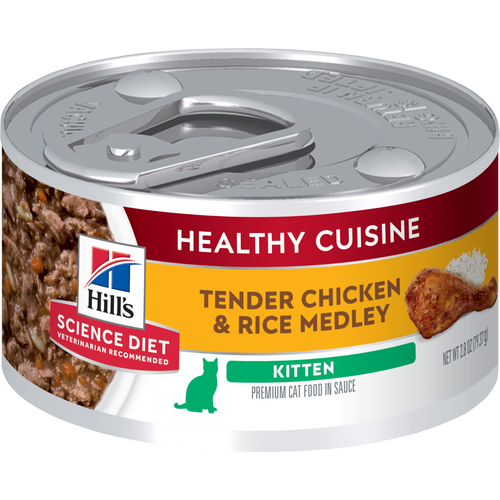
Kitten Healthy Cuisine Tender Chicken & Rice Medley
Delicious tender chicken and rice in a mouthwatering sauce with precisely balanced nutrition to support 5 essential building blocks for lifelong health

Adult Urinary Hairball Control Savory Chicken Entrée Cat Food
Supports the health of the whole urinary system with optimal levels of magnesium

Adult 11+ Chicken Recipe Cat Food
Supports brain health and beautiful fur in mature cats
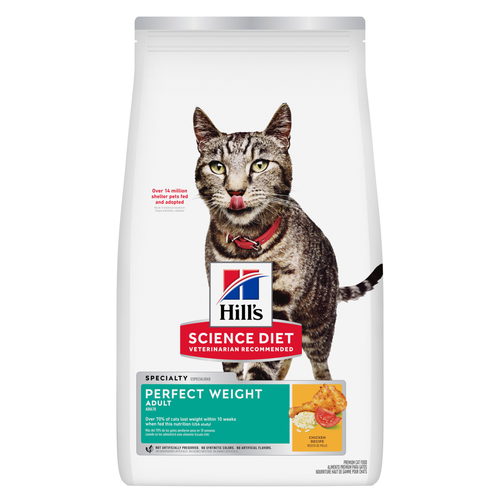
Adult Perfect Weight Chicken Recipe Cat Food
Over 70% of cats lost weight within 10 weeks when fed this nutrition (USA Study)
Related articles
Weight Gain in Your Cat & How You Can Help
Being overweight puts a cat at risk for developing many serious health issues. Weight gain indicates an increase in body fat and usually results when your cat eats too much and exercises too little.

Brushing & Food: Keys to Maintaining Your Cat's Oral Health
Get helpful information on proper feline oral healthcare and why it's so vital to take care of your cat's teeth.

Common Health Concerns in an Overweight Cat
As a responsible pet owner you owe it to yourself and your cat to understand problems associated with overweight cats.
Caring for Your Cat Through All of Life's Stages
HillsPet Nutrition provides information on proper nutrition, fitness and special needs in keeping your cat healthy and happy.
Put your cat on a diet without them knowing
Our low calorie formula helps you control your cat's weight. It's packed with high-quality protein for building lean muscles, and made with purposeful ingredients for a flavorful, nutritious meal. Clinically proven antioxidants, Vitamin C+E, help promote a healthy immune system.
Put your cat on a diet without them knowing
Our low calorie formula helps you control your cat's weight. It's packed with high-quality protein for building lean muscles, and made with purposeful ingredients for a flavorful, nutritious meal. Clinically proven antioxidants, Vitamin C+E, help promote a healthy immune system.