


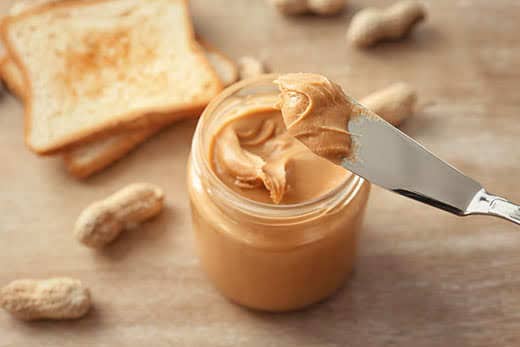
Dogs go nuts for this treat, but can cats eat peanut butter? Like some human foods, peanut butter can be eaten safely in moderation, but the answer to the question, "Can cats have peanut butter?" is a little more complicated than "yes" or "no."
Can Cats Eat Peanut Butter?
Although many cats love the taste of this salty and sweet spread, cat parents should avoid giving their feline friends peanut butter. It provides no nutritional value and, more importantly, certain ingredients, like fat and added artificial sweeteners, can be harmful or even toxic to cats.
Problematic Ingredients
If you choose to feed your cat peanut butter, carefully read labels and familiarise yourself with problematic ingredients.
- Xylitol: When natural peanuts are processed into peanut butter, there are added ingredients that can be hazardous to your cat's health. One such ingredient is xylitol, an artificial sweetener that's toxic to animals. You shouldn't feed your cat products that contain xylitol. According to RSPCA Australia, xylitol is metabolised differently by dogs, who can develop low blood sugar leading to seizures and, if untreated, death, so it's worth checking peanut butter labels for xylitol regardless of which pet it's for. Xylitol pops up in other human foods, like baked goods and chewing gum, which is why reading labels is extremely important.
- Oil and Fat: Peanuts, despite their name, aren't nuts at all; they're legumes, which are edible seeds grown in pods, like green peas (their above-ground cousin), lentils and other beans. Nutritionally, however, peanuts are considered a nut and contain high amounts of oil and fat. As RSPCA Australia notes, fat trimmings and fatty foods can cause pancreatitis, a very painful and dangerous condition, so oily, high-fat foods like peanut butter aren't pet-friendly and can lead to gastrointestinal issues.
- Sodium: Natural peanuts don't contain any sodium, but roasted peanuts, found in many peanut butters, are high in sodium (and oil). Avoid feeding your cat salty foods. As Lort Smith Animal Hospital explains, salt draws fluid out of your cat's cells, causing dehydration and electrolyte imbalances, and your cat could experience vomiting, diarrhoea, excessive thirst and/or urination and even depression, seizures and other serious health problems, with clinical signs appearing within minutes of ingestion. Much like cats eating cheese, the sodium in human foods can also contribute to heart issues.


Tasty Tips
When Can Cats Eat Peanut Butter?
Ideally, you should avoid feeding your cat peanut butter and foods containing it because it poses more health risks than health benefits. Peanut butter tends to be a fan favourite for dog parents for hiding medication or providing a fun snack, but it shouldn't be considered a go-to treat for your cat.
If peanut butter is the only way your cat will ingest their medicine, serve them a very small portion of all-natural peanut butter that doesn't contain xylitol. Portion size matters: A small portion of human food can equal an entire meal for a cat. A tablespoon of peanut butter, for example, would exceed your cat's daily caloric intake, so "stick to a lick" when feeding it to your cat.
Healthy Cat Snacking
Can cats have peanut butter? Yes, but, instead, it's a good idea to give your furry friend alternative treats like cat food with ingredients that provide balanced nutrition. You can hide pills, tablets or even liquid medicine in a ball of wet cat food, and it won't stick to the roof of your cat's mouth like peanut butter.
Sticking to food formulated specifically for your cat can ensure that they meet their proper caloric intake and stay happy and healthy for a long time.

Related products

Adult Urinary Hairball Control Savory Chicken Entrée Cat Food
Supports the health of the whole urinary system with optimal levels of magnesium
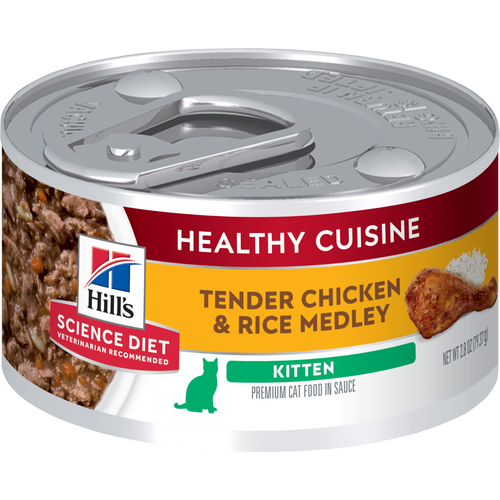
Kitten Healthy Cuisine Tender Chicken & Rice Medley
Delicious tender chicken and rice in a mouthwatering sauce with precisely balanced nutrition to support 5 essential building blocks for lifelong health

Adult 11+ Chicken Recipe Cat Food
Supports brain health and beautiful fur in mature cats
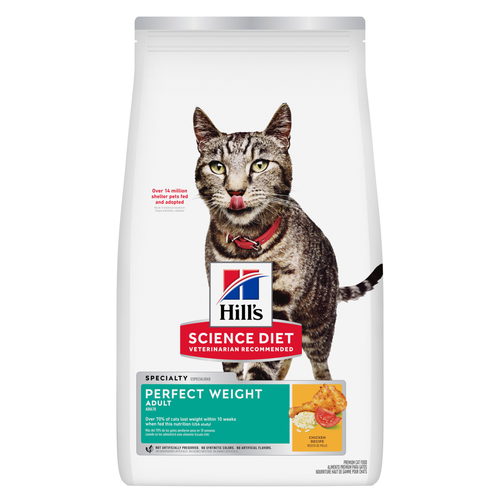
Adult Perfect Weight Chicken Recipe Cat Food
Over 70% of cats lost weight within 10 weeks when fed this nutrition (USA Study)
Related articles

Brushing & Food: Keys to Maintaining Your Cat's Oral Health
Get helpful information on proper feline oral healthcare and why it's so vital to take care of your cat's teeth.
Common Health Concerns in an Overweight Cat
As a responsible pet owner you owe it to yourself and your cat to understand problems associated with overweight cats.
Caring for Your Cat Through All of Life's Stages
HillsPet Nutrition provides information on proper nutrition, fitness and special needs in keeping your cat healthy and happy.
Weight Gain in Your Cat & How You Can Help
Being overweight puts a cat at risk for developing many serious health issues. Weight gain indicates an increase in body fat and usually results when your cat eats too much and exercises too little.
Put your cat on a diet without them knowing
Our low calorie formula helps you control your cat's weight. It's packed with high-quality protein for building lean muscles, and made with purposeful ingredients for a flavorful, nutritious meal. Clinically proven antioxidants, Vitamin C+E, help promote a healthy immune system.
Put your cat on a diet without them knowing
Our low calorie formula helps you control your cat's weight. It's packed with high-quality protein for building lean muscles, and made with purposeful ingredients for a flavorful, nutritious meal. Clinically proven antioxidants, Vitamin C+E, help promote a healthy immune system.