


When your cat starts moving a bit slower, spending more time napping than playing, or showing less interest in their favourite activities, it might be easy to blame it on age or laziness. But often, these changes signal something more: your feline friend may be carrying extra weight that's affecting their quality of life. While encouraging play and activity helps, the truth is that exercise alone won't solve feline weight issues. The real key to helping your cat achieve a healthier weight lies in what's in their food bowl.
Understanding the right nutrition for weight management can feel overwhelming, especially when faced with countless food options and conflicting advice. This guide will help you navigate the essentials of selecting cat food that supports effective weight loss, works with your cat's unique metabolism, and keeps them satisfied without the need for drastically reduced portions.
Understanding Your Cat's Nutritional Needs
Cats are obligate carnivores, which means their bodies are designed to thrive on meat-based proteins. This biological fact becomes especially important during weight loss. Reducing calories without maintaining appropriate levels of high quality protein can lead to muscle loss rather than fat loss, which isn't the outcome we're seeking.
Key nutrients that support feline weight management include:
Protein: Should remain at appropriate levels of high quality protein even during weight loss to preserve muscle mass and support metabolism. Look for foods where a quality protein source appears as the first ingredient.
Fibre: Helps cats feel fuller between meals and supports healthy digestion. Both soluble and insoluble fibres play important roles in weight management nutrition.
L-carnitine: This amino acid helps the body metabolise fat and maintain lean muscle during weight loss.
Nutritional requirements also shift across life stages. Kittens need energy dense food to support rapid growth and development. Adult cats require balanced nutrition that maintains ideal body condition. Senior cats face the challenge of maintaining muscle mass while managing weight, often with slower metabolisms. Understanding where your cat sits in this spectrum helps you select appropriate nutrition for their specific needs.
Identifying Weight Issues in Cats
Before changing your cat's food, it's helpful to confirm whether weight is genuinely an issue. Many pet parents struggle to recognise when their cat has gradually gained weight over time.
Observable signs that your cat may be overweight include:
Loss of a visible waist when viewed from above
Difficulty feeling their ribs without pressing firmly
A sagging belly that swings when they walk
Reduced grooming, especially of their back and hindquarters
Decreased activity levels and reluctance to jump or climb
You can perform a simple body condition assessment at home. When you run your hands along your cat's sides, you should be able to feel their ribs easily without pressing hard, but they shouldn't be prominently visible. From above, your cat should have a visible waist behind the ribs. From the side, there should be an abdominal tuck between the ribs and hind legs.
For accurate weighing at home, try this technique: weigh yourself on bathroom scales, then weigh yourself holding your cat, and subtract the difference. Recording this weekly provides valuable data for tracking progress.
Selecting the Right Cat Food for Weight Management
There are many pet foods to choose from, making it challenging to identify which foods genuinely support weight management. Understanding what to look for on labels removes much of the guesswork.
Wet Food vs Dry Food Considerations
Both wet and dry foods can work for weight management, each with distinct advantages. Wet food typically contains fewer calories per volume, helping cats feel fuller whilst consuming fewer calories. The high moisture content also supports hydration. Dry food offers convenience and can be portioned more precisely, though it's generally more calorie-dense.
Many cats do well with a combination of both, gaining the benefits of each format.
Reading Food Labels and Ingredients
When evaluating cat food for weight management, scrutinise these label elements:
Ingredient list: Quality protein (chicken, fish, turkey) should appear first. Water is the first ingredient in wet food.
Guaranteed analysis: Look for higher protein percentages (typically 30% or more in dry food) and moderate fat levels. Fibre content between 5-10% can support satiety.
Calorie content: Check the calories per cup or can. Lower caloric density means your cat can eat a reasonable portion whilst reducing overall calorie intake.
Hill’s has food that is specifically formulated using scientific research into how overweight cats' metabolism differs from lean cats. Hill’s Science Diet Perfect Weight, for example, represents this approach with a high protein, high fibre formula enriched with L-carnitine and coconut oil to support cats' metabolisms for achieving a healthy body weight. These scientifically developed options work with cats' biology rather than simply restricting portions.
For cats with significant weight to lose or concurrent health conditions, therapeutic nutrition recommended by your veterinarian may offer additional benefits. These specialised foods are formulated to support weight loss whilst addressing other health needs, working as part of a comprehensive veterinary care plan.


Tasty Tips
Developing a Balanced Feeding Routine
Even the best weight management food won't deliver results without appropriate portion control and feeding strategies.
Portion Control and Feeding Schedules
Free feeding, where food remains available all day, makes portion control nearly impossible. Transitioning to scheduled meals gives you control over exactly how much your cat consumes. Most cats adapt well to two or three meals daily, which also helps prevent hunger between feedings.
Use a proper measuring cup rather than eyeballing portions. Even small overestimates add up over time, sabotaging weight loss efforts. Follow the feeding guidelines on your chosen food as a starting point, but remember these are general recommendations. Weighing out the daily ration is even more precise than using measuring cups. Your veterinarian can calculate the precise amount based on your cat's ideal weight and weight loss goals.
Consider dividing the daily portion into smaller, more frequent meals if your cat seems excessively hungry. This approach keeps their metabolism steady and reduces persistent begging behaviour.
Incorporating Treats Without Overfeeding
Treats serve important roles in bonding and training, but they can quickly derail weight management efforts. The general guideline suggests keeping treats to less than 10% of daily calorie intake.
Calculate your cat's total daily calories, then ensure treats fall within that 10% allowance. You might need to reduce meal portions slightly on days when treats are given, or choose lower-calorie treat options like small pieces of cooked chicken.
Puzzle feeders and food-dispensing toys offer creative solutions. They provide mental stimulation whilst making your cat work for their food, slowing consumption and adding activity to mealtimes.
Beware the multiple feeder household trap. When several family members feed the cat, portions multiply quickly. Designate one person as the primary feeder, or use a feeding chart where each person marks when they've fed the cat.

Partnering with Your Vet for a Weight Management Plan
Before starting any weight loss programme, schedule a consultation with your veterinarian. This step is essential, not optional, for several important reasons.
Your vet will first determine whether your cat is genuinely overweight or if there's an underlying health condition affecting their weight. Certain medical issues can cause weight gain or make weight loss difficult. Blood tests may be recommended to rule out thyroid problems or other metabolic conditions.
During the consultation, your vet will:
Calculate your cat's ideal weight based on their body frame and breed
Determine a safe rate of weight loss (typically 0.5-1.5% of body weight weekly)
Recommend appropriate calorie targets
Suggest suitable food options, including whether therapeutic nutrition might benefit your cat
Create a timeline with specific milestones
Veterinary guidance becomes especially important when considering therapeutic nutrition options designed for weight management in cats with complex health needs. These prescription foods work as part of a multimodal care approach under veterinary supervision.
Your vet can also provide realistic expectations. Cats should lose weight gradually. Rapid weight loss can lead to hepatic lipidosis, a serious liver condition. Patience and consistency matter more than speed.
Monitoring Progress and Adjusting Diet
Weight loss isn't linear. Some weeks will show progress; others may plateau. Regular monitoring helps you understand what's working and when adjustments are needed.
Weigh your cat weekly using the same scales at roughly the same time of day. Record these weights in a journal or app. Over several weeks, you'll see trends even if individual weeks show little change.
Safe weight loss for cats ranges from 0.5-1.5% of body weight per week. For a 6kg cat, this translates to 30-90 grams weekly. Progress within this range indicates your plan is working.
Beyond the scales, watch for positive changes:
Increased energy and playfulness
Improved grooming habits
Greater ease jumping onto furniture
More defined waistline
If weight loss stalls for three to four weeks despite adherence to the feeding plan, consult your vet. You may need to slightly reduce portions or increase activity. Alternatively, the current weight might be appropriate for your cat's frame, even if it's slightly higher than breed standards suggest.
If your cat loses weight too rapidly, increase portions slightly. The goal is steady, sustainable loss, not dramatic changes.
Moving Forward With Confidence
Helping your cat achieve a healthier weight represents one of the most impactful gifts you can offer them. The benefits extend far beyond numbers on scales. Cats at healthy weights enjoy increased mobility, reduced joint stress, lower risk of diabetes and other weight-related conditions, and often, additional years of quality life with you.
Success comes from combining the right nutrition with veterinary partnership and consistent implementation. Start by scheduling that veterinary consultation to establish your cat's ideal weight and safe loss rate. Choose a food formulated to support feline weight management, whether that's a premium wellness option or a therapeutic food recommended by your vet. Implement structured feeding schedules with measured portions, and commit to regular monitoring.
Remember that every cat's weight loss path looks different. Some lose weight steadily; others require adjustments along the way. What matters is consistent effort and willingness to adapt the plan as needed.
Your cat depends on you to make nutritional decisions that support their health and wellbeing. With the right food, veterinary guidance, and your dedicated care, achieving and maintaining a healthy weight is entirely possible. The result? A more active, comfortable, and healthier companion ready to enjoy life to the fullest.
FAQs
What type of cat food is recommended for weight loss?
A cat food for weight loss should contain higher levels of high quality protein (typically 30% or more in dry food) to maintain lean muscle mass, contain moderate fibre levels (5-10%) to support satiety, and include L-carnitine to help metabolise fat. Quality protein sources like chicken, fish, or turkey should appear as the first ingredient. Both wet and dry foods can work effectively - wet food contains fewer calories per volume and helps cats feel fuller, whilst dry food offers precise portion control. Scientifically formulated weight management foods like Science Diet Perfect Weight are designed to work with cats' unique metabolism rather than simply restricting portions.
How can I tell if my cat is overweight?
You can assess your cat's weight through simple at-home checks. When viewing from above, your cat should have a visible waist behind the ribs. When you run your hands along their sides, you should easily feel their ribs without pressing firmly, though they shouldn't be prominently visible. From the side, there should be an abdominal tuck between the ribs and hind legs. Signs your cat may be overweight include difficulty feeling their ribs, a sagging belly that swings when walking, reduced grooming of their back and hindquarters, and decreased activity levels. For accurate tracking, weigh yourself on bathroom scales, then weigh yourself holding your cat and subtract the difference.
Should I choose wet or dry cat food for weight management?
Both wet and dry cat foods can effectively support weight management, each offering distinct advantages. Wet food typically contains fewer calories per volume, helping cats feel fuller whilst consuming fewer calories, and the high moisture content supports hydration. Dry food offers convenience and can be portioned more precisely, though it's generally more calorie-dense. Many Australian cat owners find success combining both formats to gain the benefits of each. The most important factor is selecting food specifically formulated for weight management with high protein, appropriate fibre, and lower calorie density, regardless of whether it's wet or dry.
How much should I feed my cat for weight loss?
Proper portion control requires measuring food precisely rather than estimating. Use a proper measuring cup and follow feeding guidelines on your chosen food as a starting point, but these are general recommendations. Your veterinarian should calculate the precise amount based on your cat's ideal weight and safe weight loss goals. Transition from free feeding to scheduled meals - typically two to three meals daily - to control exactly how much your cat consumes. Safe weight loss for cats ranges from 0.5-1.5% of body weight per week. For a 6kg cat, this translates to 30-90 grams weekly. Keep treats to less than 10% of daily calorie intake and reduce meal portions slightly on days when treats are given.
Why do cats need high protein during weight loss?
Cats are obligate carnivores, meaning their bodies are designed to thrive on meat-based proteins. During weight loss, high-quality protein becomes especially critical for maintaining lean muscle mass whilst losing fat. Unlike dogs or humans, cats need adequate protein to support their metabolism during calorie reduction. Reducing calories without maintaining appropriate protein levels can lead to muscle loss rather than fat loss, which isn't a healthy outcome. Protein percentages should remain high even during weight management - typically 30% or more in dry food formulations.
How quickly should my cat lose weight safely?
Cats should lose weight gradually to avoid serious health complications. Safe weight loss ranges from 0.5-1.5% of body weight per week. Rapid weight loss can lead to hepatic lipidosis, a serious liver condition in cats. Your veterinarian will determine an appropriate rate based on your cat's individual needs and create a timeline with specific milestones. Weight loss isn't linear - some weeks will show progress whilst others may plateau. Weigh your cat weekly using the same scales at roughly the same time of day, and record these weights to track trends over several weeks. If weight loss stalls for three to four weeks despite adherence to the feeding plan, consult your vet for adjustments.
Do I need to consult a vet before starting my cat on weight loss food?
Yes, scheduling a veterinary consultation before starting any weight loss programme is essential, not optional. Your vet will first determine whether your cat is genuinely overweight or if there's an underlying health condition affecting their weight, as certain medical issues can cause weight gain or make weight loss difficult. During the consultation, your vet will calculate your cat's ideal weight based on their body frame and breed, determine a safe rate of weight loss, recommend appropriate calorie targets, suggest suitable food options including whether therapeutic nutrition might benefit your cat, and create a timeline with specific milestones. Veterinary guidance ensures safe, effective weight loss tailored to your cat's individual needs and health status.

Related products
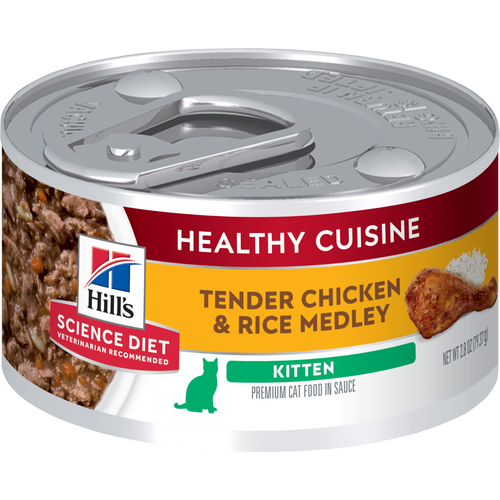
Kitten Healthy Cuisine Tender Chicken & Rice Medley
Delicious tender chicken and rice in a mouthwatering sauce with precisely balanced nutrition to support 5 essential building blocks for lifelong health

Adult Urinary Hairball Control Savory Chicken Entrée Cat Food
Supports the health of the whole urinary system with optimal levels of magnesium

Adult 11+ Chicken Recipe Cat Food
Supports brain health and beautiful fur in mature cats
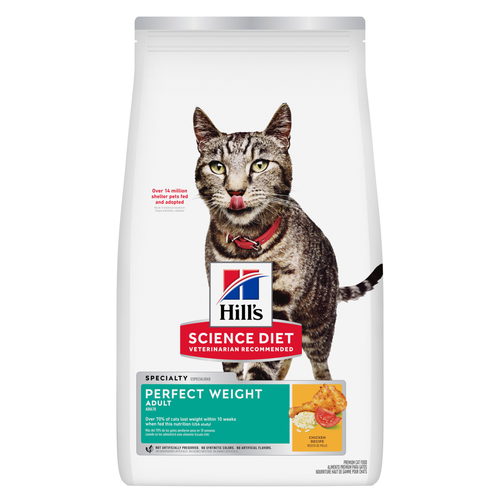
Adult Perfect Weight Chicken Recipe Cat Food
Over 70% of cats lost weight within 10 weeks when fed this nutrition (USA Study)
Related articles

Brushing & Food: Keys to Maintaining Your Cat's Oral Health
Get helpful information on proper feline oral healthcare and why it's so vital to take care of your cat's teeth.

Caring for Your Cat Through All of Life's Stages
HillsPet Nutrition provides information on proper nutrition, fitness and special needs in keeping your cat healthy and happy.
Weight Gain in Your Cat & How You Can Help
Being overweight puts a cat at risk for developing many serious health issues. Weight gain indicates an increase in body fat and usually results when your cat eats too much and exercises too little.

Common Health Concerns in an Overweight Cat
As a responsible pet owner you owe it to yourself and your cat to understand problems associated with overweight cats.
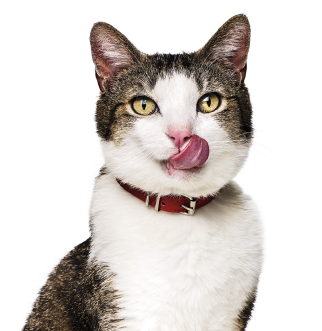
Put your cat on a diet without them knowing
Our low calorie formula helps you control your cat's weight. It's packed with high-quality protein for building lean muscles, and made with purposeful ingredients for a flavorful, nutritious meal. Clinically proven antioxidants, Vitamin C+E, help promote a healthy immune system.
Put your cat on a diet without them knowing
Our low calorie formula helps you control your cat's weight. It's packed with high-quality protein for building lean muscles, and made with purposeful ingredients for a flavorful, nutritious meal. Clinically proven antioxidants, Vitamin C+E, help promote a healthy immune system.