


Have you ever watched your cat delicately pick at their food, taking small bites before walking away, only to return later for another nibble? Or perhaps you've noticed how they seem to know instinctively which foods agree with them and which don't. This selective eating behaviour isn't just fussiness—it's actually your cat's digestive system at work, guiding their choices based on millions of years of evolution.
Understanding how your feline friend processes food is one of the most valuable things you can learn as a cat parent. From preventing hairballs to managing sensitive stomachs, knowledge of the feline digestive system helps you make informed decisions about your cat's nutrition and overall wellbeing. Whether you're a new cat owner or have shared your home with cats for years, this guide will help you support your cat's digestive health for a long, happy life together.
The Anatomy of Feline Digestion
Your cat's digestive system is a marvel of evolutionary engineering, perfectly designed for their role as obligate carnivores. Let's follow the path food takes through your feline friend's body, starting from that first bite.
The mouth sets the stage for digestion. Unlike humans who chew extensively, cats have sharp, pointed teeth designed primarily for tearing rather than grinding. Their four prominent canine teeth grab and puncture prey, while their small incisors and blade-like premolars slice through meat. This means most food enters your cat's stomach in relatively large pieces compared to what we might expect.
The oesophagus acts as a quick transport system, moving food rapidly from mouth to stomach through muscular contractions called peristalsis. This process takes just a few seconds, which explains why cats can eat quite quickly when they choose to.
The stomach is surprisingly small—holding only about 50 millilitres when empty, roughly the size of a ping-pong ball, however it is equipped with incredibly powerful digestive capabilities. The stomach produces highly acidic gastric juices with a pH between 1 and 3, strong enough to break down proteins and eliminate harmful bacteria that might be present in their natural prey.
The small intestine is where the magic happens. Measuring about one metre in length, this organ is responsible for absorbing the majority of nutrients from your cat's food. The pancreas contributes digestive enzymes that break down proteins, fats, and the small amount of carbohydrates cats can process, while the liver produces bile to help digest fats.
The large intestine completes the process by absorbing water and forming waste products. In healthy cats, this final stage is quite efficient, producing relatively dry, well-formed stools.
The entire process from ingestion to excretion typically takes 12 to 24 hours, though this can vary based on your cat's age, health, diet, and individual physiology. This timeline is considerably faster than many other animals, reflecting cats' evolutionary adaptation to frequent, small meals throughout the day.
Why Cats Are Different Digestive Processors
Your cat's digestive system operates quite differently from a dogs or humans, and understanding these differences is key to providing optimal nutrition. As obligate carnivores, cats have evolved very specific digestive requirements that reflect their ancestral diet of small prey animals.
The most significant difference lies in their shortened digestive tract compared to omnivores. While a dog's intestinal tract is about six times their body length, a cat's is only about four times their body length. This shorter system is perfectly designed for processing high-quality animal proteins and fats but less equipped for breaking down plant materials and complex carbohydrates.
Cats also have limited ability to produce certain digestive enzymes. They produce very little amylase, the enzyme responsible for breaking down starches and carbohydrates. This means that while cats can digest some carbohydrates, their bodies are primarily designed to derive energy from proteins and fats. This evolutionary adaptation reflects their natural diet of mice, birds, and other small animals, which contain minimal carbohydrates.
Another unique aspect is their feeding behaviour. In the wild, cats typically consume multiple small meals per day, each representing a successful hunt. This natural pattern means their digestive system works best with frequent, small portions rather than one or two large meals. Their stomach's small capacity supports this feeding style, preventing overeating while maintaining steady nutrient absorption throughout the day.
Supporting Optimal Digestive Function
Maintaining your cat's digestive health starts with understanding their unique nutritional needs and providing consistent, appropriate care. Several key factors contribute to a healthy feline digestive system.
Hydration plays a critical role in digestive health. Cats have a naturally low thirst drive, having evolved from desert-dwelling ancestors who obtained most of their water from prey. In our homes, this can lead to chronic mild dehydration, which affects digestion and can contribute to kidney problems over time. Fresh water should always be available, and many cats benefit from multiple water sources throughout the home.
Balanced nutrition forms the foundation of good digestive health. High quality protein should be the primary ingredient in your cat's diet, supporting their carnivorous nature. Look for foods that list specific meat sources rather than generic terms like "meat meal." The protein should be easily digestible to reduce stress on the digestive system.
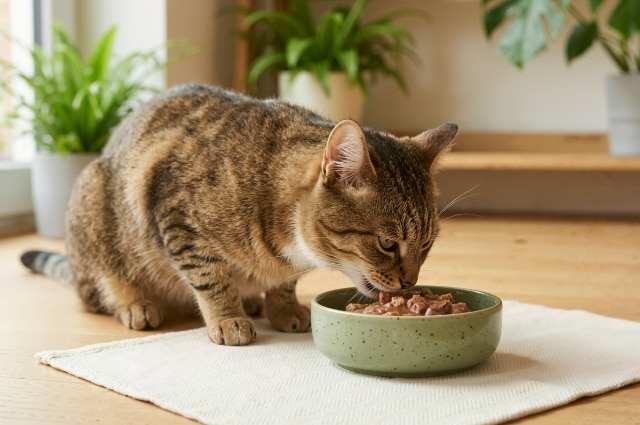
Feeding frequency matters significantly. Rather than offering one or two large meals, consider providing three to four smaller portions throughout the day. This approach mirrors your cat's natural eating pattern and prevents the digestive system from becoming overwhelmed. It also helps prevent rapid eating, which can lead to vomiting or digestive upset.
Food quality makes a substantial difference in digestive health. Premium nutrition like Hill's Science Diet provides precisely balanced nutrients that support healthy digestion while being gentle on your cat's system. The careful formulation ensures optimal nutrient absorption while minimising digestive stress.
Consistency in diet is also important. Sudden changes in food can disrupt the delicate balance of digestive bacteria and cause stomach upset. When transitioning to a new food, do so gradually over 7-10 days, mixing increasing amounts of the new food with decreasing amounts of the current food.


Tasty Tips
Choosing the Right Food Texture
The choice between wet and dry food can significantly impact your cat's digestive health, and understanding the benefits of each helps you make the best decision for your feline friend.
Wet food offers several digestive advantages. The high moisture content—typically 70-80%—helps support hydration and can make the food easier to digest. The softer texture requires less work from your cat's digestive system, which can be particularly beneficial for senior cats or those with sensitive stomachs. Wet food also tends to be more aromatic, which can stimulate appetite in cats who may be reluctant to eat.
Dry food brings its own benefits to digestive health. The crunching action required to eat kibble can help reduce plaque and tartar buildup on teeth, supporting oral health that connects to overall digestive wellness. Dry food is also convenient for free-feeding arrangements, though this approach isn't suitable for all cats.
Individual cat needs should guide your choice. Senior cats or those with dental issues may find wet food easier to consume and digest. Cats with urinary tract concerns often benefit from the additional moisture in wet food. Some cats simply have strong preferences that affect their eating behaviour and, consequently, their digestive health.
Many cat parents find success with combination feeding, by offering both wet and dry food to provide the benefits of each. This approach can be particularly effective when wet food is given at specific meal times while dry food remains available for snacking, mimicking natural hunting and eating patterns.
Warning Signs Every Cat Parent Should Know
Recognising early signs of digestive problems can help you address issues before they become serious health concerns. Cats are masters at hiding discomfort, so subtle changes in behaviour or bathroom habits often provide the first clues.
Changes in litter box habits often signal digestive problems. Diarrhoea, constipation, or significant changes in stool colour, consistency, or odour should be monitored carefully. Straining to defecate or producing very small, hard stools may indicate constipation, whilst loose or liquid stools suggest the opposite problem.
Appetite changes frequently accompany digestive issues. A cat who suddenly becomes disinterested in food they previously enjoyed, or conversely, a cat who seems constantly hungry despite eating normally, may be experiencing digestive difficulties. Pay attention to eating behaviours too—if your normally neat eater becomes messy or starts gulping food rapidly, this could indicate discomfort.
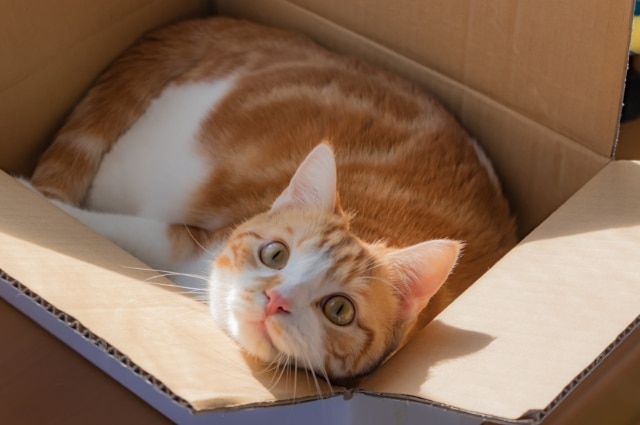
Behavioural changes can also signal digestive distress. Lethargy, hiding, excessive vocalisation during or after eating, or reluctance to jump or move normally may indicate abdominal discomfort.
For cats experiencing persistent digestive sensitivity, specially formulated nutrition like Hill's Prescription Diet i/d can provide highly digestible nutrition that supports digestive health while your veterinarian determines the underlying cause of symptoms.
Consult with your veterinarian when persistent symptoms lasting more than 24-48 hours, blood in vomit or stool, signs of dehydration, or any sudden, dramatic changes in your cat's normal patterns. Your vet can perform examinations and tests to determine whether dietary management, medical treatment, or other interventions are needed.
Understanding your cat's digestive system empowers you to make informed decisions about their nutrition and health care. From recognising that their carnivorous anatomy requires specific nutrients to appreciating why they prefer multiple small meals, this knowledge helps you provide the best possible care for your feline companion.
Remember that every cat is unique, and what works perfectly for one may not suit another. Pay attention to your cat's individual responses to different foods, feeding schedules, and environmental factors. This observation, combined with regular veterinary care and high-quality nutrition, provides the foundation for maintaining excellent digestive health throughout your cat's life.

Related products

Adult 11+ Chicken Recipe Cat Food
Supports brain health and beautiful fur in mature cats

Adult Urinary Hairball Control Savory Chicken Entrée Cat Food
Supports the health of the whole urinary system with optimal levels of magnesium
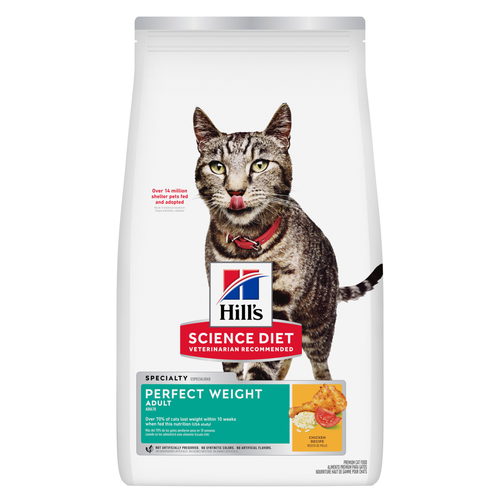
Adult Perfect Weight Chicken Recipe Cat Food
Over 70% of cats lost weight within 10 weeks when fed this nutrition (USA Study)
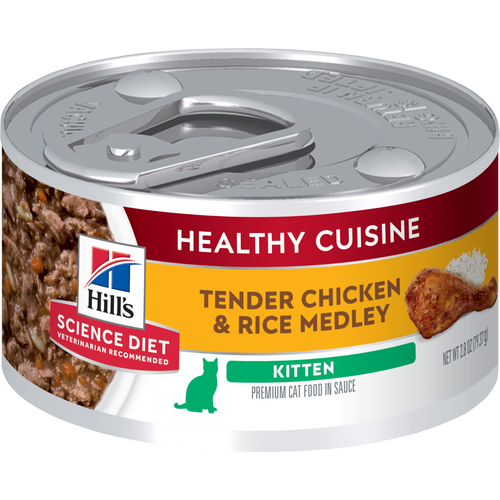
Kitten Healthy Cuisine Tender Chicken & Rice Medley
Delicious tender chicken and rice in a mouthwatering sauce with precisely balanced nutrition to support 5 essential building blocks for lifelong health
Related articles
Caring for Your Cat Through All of Life's Stages
HillsPet Nutrition provides information on proper nutrition, fitness and special needs in keeping your cat healthy and happy.
Weight Gain in Your Cat & How You Can Help
Being overweight puts a cat at risk for developing many serious health issues. Weight gain indicates an increase in body fat and usually results when your cat eats too much and exercises too little.

Brushing & Food: Keys to Maintaining Your Cat's Oral Health
Get helpful information on proper feline oral healthcare and why it's so vital to take care of your cat's teeth.

Common Health Concerns in an Overweight Cat
As a responsible pet owner you owe it to yourself and your cat to understand problems associated with overweight cats.
Put your cat on a diet without them knowing
Our low calorie formula helps you control your cat's weight. It's packed with high-quality protein for building lean muscles, and made with purposeful ingredients for a flavorful, nutritious meal. Clinically proven antioxidants, Vitamin C+E, help promote a healthy immune system.
Put your cat on a diet without them knowing
Our low calorie formula helps you control your cat's weight. It's packed with high-quality protein for building lean muscles, and made with purposeful ingredients for a flavorful, nutritious meal. Clinically proven antioxidants, Vitamin C+E, help promote a healthy immune system.