


 If you are choosing your kitten from a litter, a few simple tips can help you pick well. Take your time and ask lots of questions. Have the kittens seen a veterinarian? Have they had a physical exam? Have they been vaccinated and de-wormed?
What sort of environment is the litter being kept in? Be wary if it's a shed or a pen away from the main house, because these kittens may have had little human contact. Cats have a very short socialization phase — between 4 to 16 weeks of age. A kitten that doesn't become used to the sights, sounds and smells of normal life by then may have problems later on.


Tasty Tips
However heart-wrenching a sight it may be, be careful about choosing a kitten that seems particularly nervous. This can be a sign of poor early socialization. Also, don't be tempted to take the smallest, weakest-looking kitten out of pity. This could be a very expensive mistake.
You should not take a kitten from her mother or her littermates too early. She needs to be at least six or seven weeks of age.
Once you choose a kitten and arrive home with your new pet, ask your veterinarian to recommend kitten food that meets the needs of your kitten.

Related products

Adult 11+ Chicken Recipe Cat Food
Supports brain health and beautiful fur in mature cats

Adult Urinary Hairball Control Savory Chicken Entrée Cat Food
Supports the health of the whole urinary system with optimal levels of magnesium
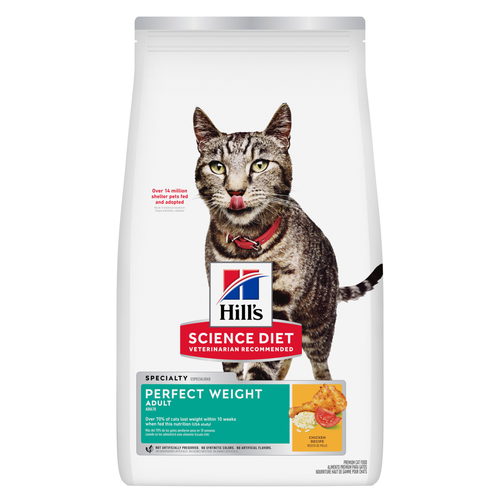
Adult Perfect Weight Chicken Recipe Cat Food
Over 70% of cats lost weight within 10 weeks when fed this nutrition (USA Study)
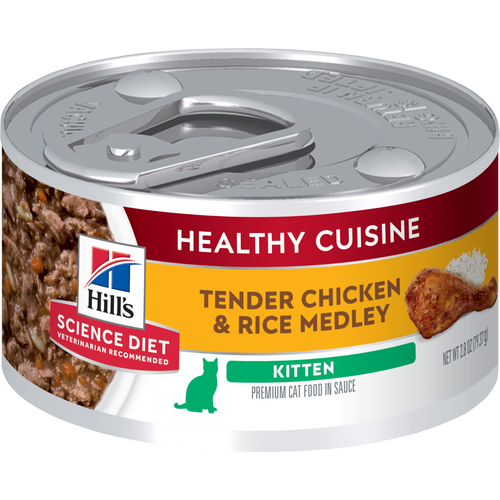
Kitten Healthy Cuisine Tender Chicken & Rice Medley
Delicious tender chicken and rice in a mouthwatering sauce with precisely balanced nutrition to support 5 essential building blocks for lifelong health
Related articles

Caring for Your Cat Through All of Life's Stages
HillsPet Nutrition provides information on proper nutrition, fitness and special needs in keeping your cat healthy and happy.
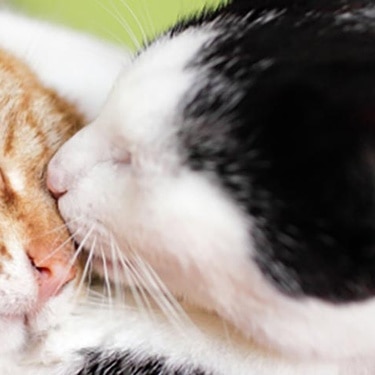
Weight Gain in Your Cat & How You Can Help
Being overweight puts a cat at risk for developing many serious health issues. Weight gain indicates an increase in body fat and usually results when your cat eats too much and exercises too little.

Brushing & Food: Keys to Maintaining Your Cat's Oral Health
Get helpful information on proper feline oral healthcare and why it's so vital to take care of your cat's teeth.

Common Health Concerns in an Overweight Cat
As a responsible pet owner you owe it to yourself and your cat to understand problems associated with overweight cats.
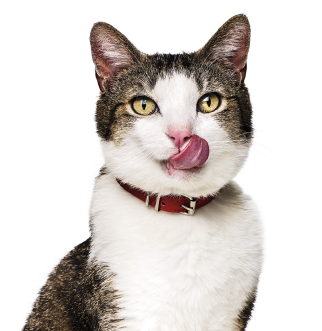
Put your cat on a diet without them knowing
Our low calorie formula helps you control your cat's weight. It's packed with high-quality protein for building lean muscles, and made with purposeful ingredients for a flavorful, nutritious meal. Clinically proven antioxidants, Vitamin C+E, help promote a healthy immune system.
Put your cat on a diet without them knowing
Our low calorie formula helps you control your cat's weight. It's packed with high-quality protein for building lean muscles, and made with purposeful ingredients for a flavorful, nutritious meal. Clinically proven antioxidants, Vitamin C+E, help promote a healthy immune system.