


You've just settled into your favourite sofa with a cuppa, only to hear the familiar sound of claws raking across your chair's arm. If you're a cat parent, you've likely experienced this scenario more times than you'd care to count. Cat scratching is one of the most common behavioural challenges pet parents face, yet it's completely natural feline behaviour. The good news? With the right understanding and approach, you can redirect this instinct to protect your furniture whilst keeping your cat happy and healthy. Let's explore why cats scratch and how you can effectively manage this behaviour through proven training techniques and practical strategies.
The Natural Instinct Behind Cat Scratching
Scratching isn't your cat being naughty–it's hardwired into their DNA. This instinctive behaviour serves multiple purposes that are as important to your cat today as they were to their wild relatives thousands of years ago. When your cat scratches, they're simply following their natural programming, much like how they instinctively groom themselves or hunt toy mice across your living room floor.
Marking Territory Through Scratching
Every time your cat drags their claws down a surface, they're leaving behind more than just visible marks. Cats have scent glands in their paw pads that deposit pheromones onto scratched surfaces, creating a personalised "calling card" that communicates ownership to other cats. In multi-cat households, you might notice cats scratching near doorways, along territorial boundaries, or in prominent locations where they can make their presence known. This behaviour intensifies when cats feel their territory is threatened or when they're establishing their space in a new home.
Physical and Emotional Benefits for Cats
Scratching provides numerous health benefits that make it impossible for cats to simply "stop" on command. When cats scratch, they're maintaining their claws by removing the dead outer sheath, revealing the sharp claw underneath, nature's built-in nail file. The stretching motion involved in scratching keeps their muscles, tendons and ligaments flexible and strong, particularly in their shoulders, spine and legs. Beyond physical health, scratching offers emotional benefits too. It's a form of stress relief, a way to mark safe spaces, and even a method of expressing excitement or contentment. You might notice your cat scratching enthusiastically after waking from a nap or when you return home—this is their way of releasing pent-up energy and expressing positive emotions.
Identifying Problematic Scratching Behaviour
Common Household Items Targeted by Cats
Not all scratching surfaces are created equal in your cat's eyes. Sofas and armchairs often become prime targets because they're located in social areas where cats spend time, and the fabric provides satisfying resistance. Carpeted areas, particularly on stairs or in hallways, appeal to cats who prefer horizontal scratching. Door frames, timber furniture edges and curtains also frequently fall victim to sharp claws. Cats typically choose these items because they're stable, prominent and offer the right texture for effective scratching. Understanding what draws your cat to these surfaces helps you select appropriate alternatives.
Signs of Stress-Related Scratching
Whilst scratching is normal, excessive or sudden changes in scratching behaviour can signal underlying stress or anxiety. Watch for cats who scratch aggressively, often accompanied by vocalisation or an arched back. New scratching locations, particularly near doors, windows or in areas they previously ignored, might indicate territorial stress or anxiety about changes in the household. If your cat scratches excessively at night, wakes you with scratching behaviour, or scratches until their paws are sore, these are red flags that warrant attention. Changes such as new pets, renovations, altered routines or even rearranged furniture can trigger stress-related scratching patterns.
Assessing the Frequency and Intensity of Scratching
Normal scratching occurs multiple times daily, particularly after sleeping, eating or playing. These sessions typically last 10-30 seconds and leave your cat looking satisfied and relaxed. Concerning scratching, however, involves prolonged sessions, frantic behaviour, or scratching that seems compulsive rather than purposeful. Pay attention to your cat's body language: relaxed cats scratch casually with loose shoulders and may even purr, whilst stressed cats display tense bodies, flattened ears or dilated pupils. If you notice dramatic increases in scratching frequency or intensity, consider whether recent changes in your home might be triggering anxiety. Sometimes, even subtle shifts like a new detergent scent or altered meal times can affect sensitive cats.


Tasty Tips
Training Techniques for Redirecting Scratching
The foundation of successful scratching redirection lies in rewarding the behaviour you want to see. When you catch your cat using an appropriate scratching surface, immediately offer verbal praise and a small treat. Timing matters—reward within seconds of the desired behaviour so your cat makes the connection. Keep treats small and appealing, using them specifically for scratching training to maintain their value. Consistency is your best friend here; every family member should reward appropriate scratching and avoid punishing unwanted scratching, as punishment often increases stress and worsens the behaviour.
How to Introduce and Encourage the Use of Scratching Posts
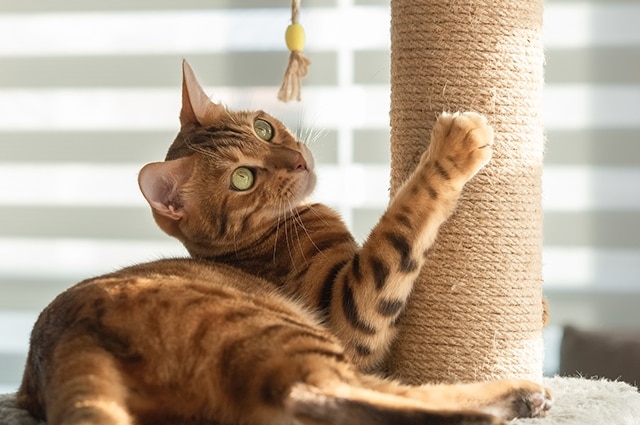
Strategic placement determines success when introducing scratching posts. Position new posts directly next to or in front of your cat's favourite inappropriate scratching spots—if they love your sofa's right arm, place a post immediately beside it. Offer variety in scratching surfaces: some cats prefer vertical posts for stretching, whilst others favour horizontal or angled scratchers. Materials matter too—experiment with sisal rope, cardboard, carpet and natural wood to discover your cat's preference. Make posts irresistible by sprinkling catnip, dangling toys from the top, whilst offering treats. Once your cat consistently uses the post, you can gradually move it to a more convenient location, shifting it just a few centimetres every few days.
Using Deterrents Effectively
Deterrents work best when paired with attractive alternatives. Cover inappropriate scratching surfaces with double-sided tape, aluminium foil or plastic sheeting—cats dislike these textures and will avoid them. Pet-safe furniture sprays can discourage scratching without harming your cat. Apply deterrents consistently until your cat has established new scratching habits, typically requiring 2-4 weeks. Important: never resort to punishment, yelling or physical corrections, as these damage your bond and increase stress. When you catch your cat scratching inappropriately, calmly interrupt with a gentle noise, then immediately redirect them to an appropriate surface and reward them for using it.
Management Strategies to Protect Furniture
Choosing Appropriate Furniture Coverings
Whilst training progresses, protect your furniture with temporary solutions. Throw blankets or decorative covers shield favourite scratching spots and are easily washable. Clear vinyl furniture guards attach to corners and arms, providing invisible protection. For long-term furniture choices, consider tightly woven fabrics like microfibre or canvas that resist claw damage better than loose weaves. Some cat parents successfully use decorative sisal or seagrass mats draped over vulnerable areas—these double as approved scratching surfaces whilst protecting what's underneath.
Placement and Selection of Scratching Posts
Multiple scratching options throughout your home give your cat choices and reduce furniture damage. Place posts in high-traffic areas where your cat naturally spends time, near sleeping spots where they'll scratch upon waking, and beside windows where they can stretch whilst bird-watching. Height matters: posts should be tall enough for your cat to fully extend their body whilst scratching, typically 75-90cm for adult cats. Stability is non-negotiable—wobbly posts discourage use and can frighten cats. Invest in sturdy, well-anchored posts that won't topple during enthusiastic scratching sessions. Don't forget variety: provide both vertical posts and horizontal scratching pads to accommodate different scratching styles and preferences.
Environmental Enrichment for Cats
A stimulated cat is less likely to develop problematic scratching behaviours. Interactive toys that mimic prey movements—feather wands, motorised mice, puzzle feeders—channel your cat's energy into appropriate outlets. Cat trees and climbing structures satisfy territorial instincts and provide elevated scratching opportunities. Regular play sessions, ideally 10-15 minutes twice daily, tire cats physically and mentally, reducing stress-related scratching. Mental enrichment through food puzzles, treat-dispensing toys and rotating toy selection prevents boredom that might otherwise manifest as excessive scratching. A well-rounded lifestyle supports your cat's overall wellbeing, and when cats feel content and engaged, they're more receptive to training.
FAQs About Cat Scratching and Training
Is it normal for cats to scratch frequently?
Yes, scratching multiple times daily is completely normal feline behaviour. Most cats scratch several times throughout the day, particularly after waking, before playing, and when greeting their favourite humans. The frequency varies by individual personality and age, but consistent daily scratching indicates a healthy cat engaging in natural maintenance behaviour.
How can I train my cat to stop scratching furniture?
You can't stop scratching entirely, but you can redirect it. Provide appealing alternatives placed strategically near problem areas, reward appropriate scratching immediately with treats and praise, and use gentle deterrents on furniture. Consistency and patience are key—expect gradual improvement over 2-6 weeks rather than overnight transformation.
What are effective management strategies for cat scratching?
The most effective approach combines multiple strategies: offer varied, well-placed scratching posts; use temporary furniture protection; provide environmental enrichment; maintain a consistent reward system; and address any underlying stress triggers. This comprehensive approach works better than any single method alone.
Can scratching indicate a health or behavioural problem?
Excessive, aggressive or sudden changes in scratching patterns warrant veterinary attention. These might signal stress, anxiety, arthritis (cats may scratch more to stretch painful joints), or other health issues. If scratching behaviour changes dramatically or is accompanied by other concerning symptoms, consult your veterinarian.
How long does it take to retrain scratching behaviour?
Most cats show improvement within 2-3 weeks of consistent training, though complete retraining often takes 4-8 weeks. Kittens learn faster than adult cats, and cats with deeply ingrained habits require more patience. Consistency from all household members accelerates progress, whilst inconsistent approaches prolong the training period.
Understanding that scratching is natural, necessary behaviour transforms how you approach this common challenge. With patience, appropriate alternatives, positive reinforcement and strategic management, you can protect your furniture whilst respecting your cat's instinctive needs. Remember, success rarely happens overnight. Celebrate small victories: the first time your cat chooses the post over the sofa, each day they ignore previously targeted furniture, every positive scratching session. Start today by observing where and when your cat scratches most, then position attractive alternatives in those exact spots. Your furniture—and your relationship with your cat—will thank you for the effort.

Related products

Adult Perfect Weight Chicken Recipe Cat Food
Over 70% of cats lost weight within 10 weeks when fed this nutrition (USA Study)

Adult Urinary Hairball Control Savory Chicken Entrée Cat Food
Supports the health of the whole urinary system with optimal levels of magnesium

Kitten Healthy Cuisine Tender Chicken & Rice Medley
Delicious tender chicken and rice in a mouthwatering sauce with precisely balanced nutrition to support 5 essential building blocks for lifelong health

Adult 11+ Chicken Recipe Cat Food
Supports brain health and beautiful fur in mature cats
Related articles
Caring for Your Cat Through All of Life's Stages
HillsPet Nutrition provides information on proper nutrition, fitness and special needs in keeping your cat healthy and happy.

Brushing & Food: Keys to Maintaining Your Cat's Oral Health
Get helpful information on proper feline oral healthcare and why it's so vital to take care of your cat's teeth.

Weight Gain in Your Cat & How You Can Help
Being overweight puts a cat at risk for developing many serious health issues. Weight gain indicates an increase in body fat and usually results when your cat eats too much and exercises too little.

Common Health Concerns in an Overweight Cat
As a responsible pet owner you owe it to yourself and your cat to understand problems associated with overweight cats.

Put your cat on a diet without them knowing
Our low calorie formula helps you control your cat's weight. It's packed with high-quality protein for building lean muscles, and made with purposeful ingredients for a flavorful, nutritious meal. Clinically proven antioxidants, Vitamin C+E, help promote a healthy immune system.
Put your cat on a diet without them knowing
Our low calorie formula helps you control your cat's weight. It's packed with high-quality protein for building lean muscles, and made with purposeful ingredients for a flavorful, nutritious meal. Clinically proven antioxidants, Vitamin C+E, help promote a healthy immune system.