


Are you a pet parent living in an area with hot summers? If you don't have air conditioning, you may be worried about your cat getting heat exhaustion. There may be a flurry of questions going through your mind: What will happen while you're gone during the day? Will your kitty sweat — or suffer?
Fortunately, there are some things you can do to keep your home cool enough for your feline friend.
Hot Town, Summer for the Kitty
When temperatures start to rise, your cat might be more comfortable than you think: according to The Washington Post, her average body temperature stays around a toasty 102 degrees Fahrenheit. Since her ancestors evolved in the desert, she can also get most of her moisture from food.
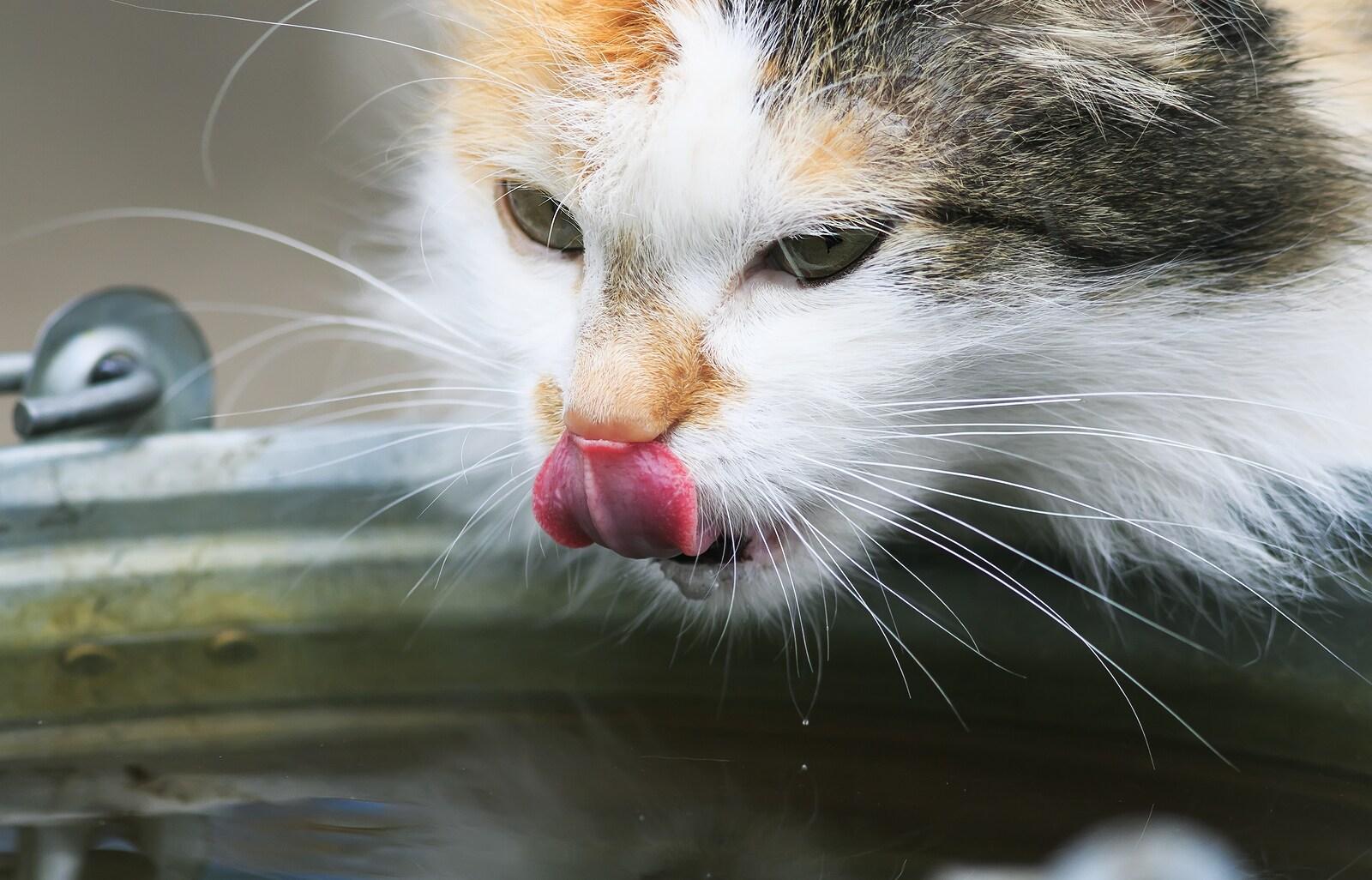
However, this doesn't mean she'll be safe and comfortable locked in a warm house. Cats can't sweat as humans do. Instead, your feline friend needs to release heat continually by laying on cool surfaces, panting, and drinking cold water.
Make sure your kitty is comfortable by doing a few precautionary things around the house:
- Water, water, everywhere: Since water will evaporate faster in the summer — and your cat might be disinclined to trek around the house — it's a good idea to keep several bowls of cold water throughout your home. If you live in a multi-level house, keep a bowl on every floor. Putting them under a chair or away from sunlight and cat food might make them more appealing. You can even place some empty pet bowls in the freezer overnight and fill them in the morning to help the water stay colder longer.
- Homemade ice pack: Leave a homemade ice pack where your cat likes to lounge. If your cat gets too warm, a frozen water bottle wrapped in a towel is a good daytime nap buddy. (Remember to put it back in the freezer when you return home.) Never leave your cat alone with a commercial ice pack, since the chemicals in it could be dangerous to her if it pops or leaks.
- Close the curtains: By darkening a few rooms, you can limit the amount of sun and heat that enters your home during the day. Not only will your feline friend be thankful for the shade, but you also won't be hit with heat the minute you walk in the door.
- Keep a fan running: A small fan or two in the right spots can help circulate air and keep your cat cooler throughout the day. You can also consider using a timer for the fan if you don't want it running all day.
- Make her a cool cave: Cats love to cool down under furniture, so consider putting your bed on risers to give her lots of room to relax and sleep comfortably. Alternatively, putting a tablecloth on your kitchen table might give her a breezy hideaway on a cool tile or wood floor.


Tasty Tips
Safety Tips
Cats need water and fresh air to keep cool — but more isn't always better. Make sure your cat doesn't have access to large tubs of water or swimming pools. Never leave your tub full of water or large buckets of water out for your cat since this can create a drowning hazard. If you have a pool, make sure your cat can't access it when you're not at home.
You should also be careful not to leave windows wide open. Since cats can push out screens and escape — or a heavy window could close on them suddenly — you should not leave low-to-the-ground or heavy windows open while you're not at home. Do leave at least one window that your pet can't reach cracked for fresh air. Blocking a small open window with a fan can also help circulate air while keeping kitty from getting any ideas.
Heat Exhaustion in Cats: Warning Signs
Even when you do everything you possibly can to help keep your kitty cool, heat exhaustion in cats is still a possibility. Heat stroke in cats is actually more common in certain breeds than others. Since Persians and other flat-faced cats can't pant as well as other breeds, they have a harder time naturally cooling down their bodies and are more susceptible to heat exhaustion, according to Preventive Vet.
If you notice excessive panting, a rapid heart rate, sunken eyes, or little to no urine in your cat's litter box, she may be dehydrated and suffering from heat exhaustion. Check her hydration levels by gently pinching the skin between her neck and shoulders: Does it stay "tented"? Is it slow to smooth down? If so, she is likely dehydrated, and it's important to get her to the veterinarian right away. They may then need to administer intravenous fluids before the condition gets too severe.
The American Society for the Prevention of Cruelty to Animals (ASPCA) recommends that cats with very flat faces and those who are elderly, obese, or have lung or heart issues be watched closely for heat exhaustion. If your cat has one of these conditions — and you have tried ways to keep her cool without air conditioning — you may want to talk to your vet. The most important thing to remember is to be proactive and observant when the thermometer climbs so you can spot the signs of heat exhaustion quickly and resolve them.

Related products

Adult Urinary Hairball Control Savory Chicken Entrée Cat Food
Supports the health of the whole urinary system with optimal levels of magnesium

Adult 11+ Chicken Recipe Cat Food
Supports brain health and beautiful fur in mature cats
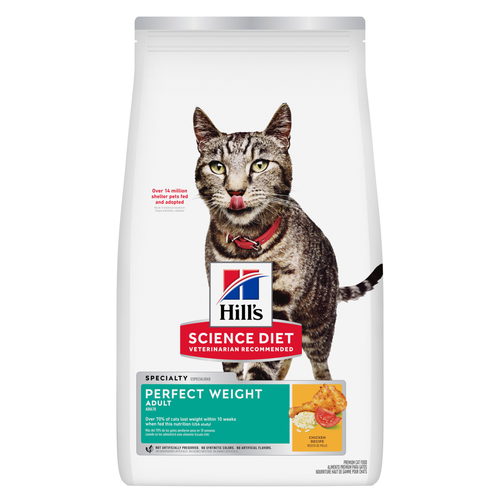
Adult Perfect Weight Chicken Recipe Cat Food
Over 70% of cats lost weight within 10 weeks when fed this nutrition (USA Study)
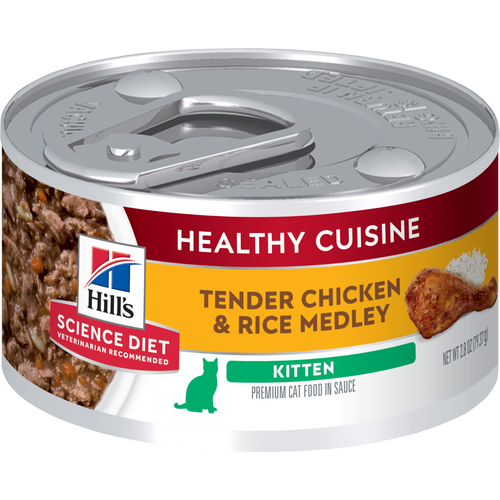
Kitten Healthy Cuisine Tender Chicken & Rice Medley
Delicious tender chicken and rice in a mouthwatering sauce with precisely balanced nutrition to support 5 essential building blocks for lifelong health
Related articles
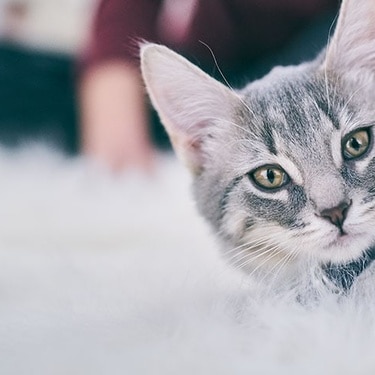
Caring for Your Cat Through All of Life's Stages
HillsPet Nutrition provides information on proper nutrition, fitness and special needs in keeping your cat healthy and happy.
Weight Gain in Your Cat & How You Can Help
Being overweight puts a cat at risk for developing many serious health issues. Weight gain indicates an increase in body fat and usually results when your cat eats too much and exercises too little.
Common Health Concerns in an Overweight Cat
As a responsible pet owner you owe it to yourself and your cat to understand problems associated with overweight cats.

Brushing & Food: Keys to Maintaining Your Cat's Oral Health
Get helpful information on proper feline oral healthcare and why it's so vital to take care of your cat's teeth.
Put your cat on a diet without them knowing
Our low calorie formula helps you control your cat's weight. It's packed with high-quality protein for building lean muscles, and made with purposeful ingredients for a flavorful, nutritious meal. Clinically proven antioxidants, Vitamin C+E, help promote a healthy immune system.
Put your cat on a diet without them knowing
Our low calorie formula helps you control your cat's weight. It's packed with high-quality protein for building lean muscles, and made with purposeful ingredients for a flavorful, nutritious meal. Clinically proven antioxidants, Vitamin C+E, help promote a healthy immune system.