


These days, you’ll find entire aisles at the grocery store dedicated to foods that are “free” of one thing or another. From sugar-free to dairy-free, to gluten-free, consumers are gobbling up these specialty foods to uphold a perceived "healthier” and “more natural" nutrition for themselves… as well as their pets.
Interest in more healthful nutrition has rolled right into the pet aisle, and why wouldn’t it? Your dog is a member of your family, after all, and they deserve to be just as healthy as you. Among the recent trends in pet food is grain-free dog food, but contrary to popular belief, allergies and intolerances to grains are rare in our canine companions.
Should dogs eat grains? The truth is that grains have a purpose in dog foods to provide a variety of important nutrients that dogs need.
Bottom line, grain-free dog food isn't necessarily better for your pup. Here are some common grains used in dog food and why you should consider keeping them in his dish.
Common Grains Used in Dog Foods
When looking at the list of ingredients in your dog's food, you might see grains such as:
- Barley
- Corn
- Oats
- Rice
- Wheat
- Rye
- Sorghum
You may be familiar with most of these grains, as some of them are just as popular for your own consumption. Some, like barley, has been described as a " superfood." Barley is high in fiber, both the soluble and insoluble kind. Oats are known for their benefit to heart health when eaten as part of a healthy diet and lifestyle.
Do these ingredients have the same benefits for dogs? Should dogs eat grains?

Whole grains such as corn provide dogs with important digestible nutrients including energy, protein, vitamin E, and linoleic acid. It is those nutrients that are crucial to a dog's overall health. The most important thing to remember is to choose a food that provides your dog with complete and balanced nutrition. This is true whether or not the food contains grains.


Tasty Tips
Grain-Free Isn't Carb-Free
Veterinarians also frequently hear from pet parent confusion regarding grain-free and low-carb. Grain-free and low-carb do not go hand-in-hand. To replace grains, grain-free pet foods often use ingredients such as potatoes, sweet potatoes, lentils, quinoa, and peas. In fact, some grain-free pet foods contain carbohydrate levels similar to or even higher than dog food containing grains.
Allergies and Grains
Veterinary Practice News interviewed four board-certified vet nutritionists about allergies and the role grains play in them. The nutritionists told the magazine corn, wheat, and soy are rarely the cause of food allergies.
"I honestly don't know where that got started. It's not based on any data, and there are excellent foods that contain one or more of those items," said Cailin Heinze, MS, VMD, and a diplomat of the American College of Veterinary Nutrition.
Clinically speaking, the most common food allergens are beef and dairy, with only 10 percent of all pet allergy cases being caused by food at all. Most pets actually have reactions to the world around them, like pollens from grass, trees, molds, and fleas, not foods. If you suspect your dog suffers from an allergic reaction – either environmental, food, or a combination of the two – talk with your vet about the issues your poor pal is experiencing. Then, under consistent professional treatment, you can determine if he has a food allergy and to which ingredient your pup is reacting adversely through some careful food trials.
The Right Grain-Free Food for Your Dog
In the rare case where a dog is, in fact, sensitive to grain, you should look for a high-quality grain-free dog food that still provides balanced nutritional content. Again, your veterinarian can be a great resource for a recommendation.
How do you know if what you're feeding your dog is high in quality?
Like humans, dogs can have their own unique nutritional needs. When choosing the right dog food for your furry friend, make sure to talk with your vet and do your research before committing, so you can find the right balance that meets your pup's needs.
REFERENCE:
1Eckstein, S. (n.d.). Caring for a Dog with Food Allergies. Retrieved August 1, 2019, from https://pets.webmd.com/dogs/guide/caring-for-a-dog-that-has-food-allergies#1

Related products

Adult 6+ Large Breed Chicken Meal, Barley & Rice Recipe Dog Food
Supports energy level, joint health, and beautiful coat in large breed mature dogs
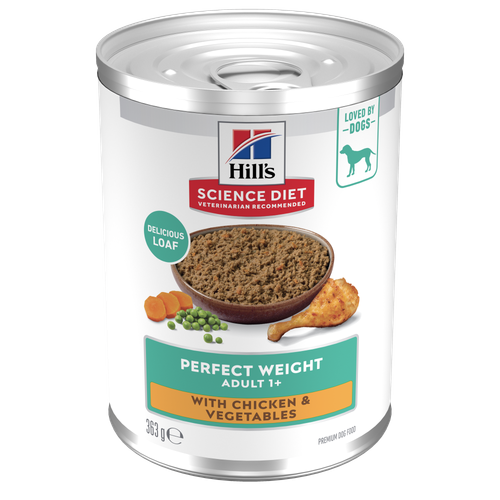
Perfect Weight Adult Wet Dog Food
Over 70% of dogs lost weight within 10 weeks when fed this nutrition
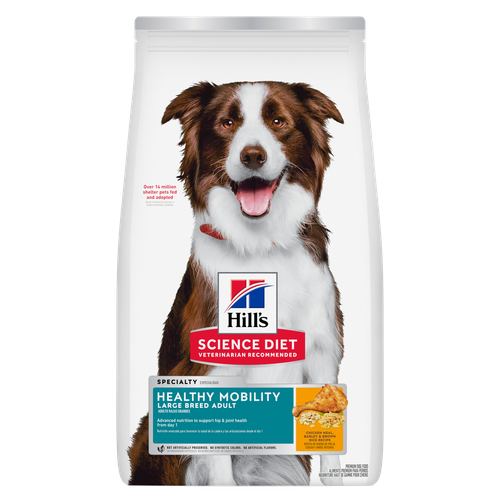
Healthy Mobility Large Breed Chicken Meal, Barley & Brown Rice Recipe Dog Food
Advanced nutrition shown to support joint health and improve mobility

Adult Perfect Weight & Joint Support Chicken & Brown Rice Recipe Dog Food
This weight management and mobility support dog food was created with Hill’s unique understanding of the biology of overweight dogs.
Related articles

Things You Can Do to Help Your Dog's Sensitive Stomach
A dog with a sensitive stomach has special needs. Learn more about sensitive stomach symptoms in your dog, what you can do to help sooth your pet’s insides and get recommendations on sensitive stomach dog food.

What to Feed Your Pregnant or Nursing Dog
Learn what you can feed your pregnant or nursing dog to keep her and her new pups healthy.

Helpful Tips for Exercising with Your Dog
Though it may seem like your four-legged friend loves nothing more than to nap on the couch, dogs need regular exercise to stay healthy just like people do.

Hill's Puppy Food: Quality Ingredients for Health & Nutrition
Selecting the right food for your puppy is a key to quality nutrition and a long, healthy life., Learn more about how to select the right puppy food.

Put your dog on a diet without them knowing
Our low calorie formula helps you control your dog's weight. It's packed with high-quality protein for building lean muscles, and made with purposeful ingredients for a flavorful, nutritious meal. Clinically proven antioxidants, Vitamin C+E, help promote a healthy immune system.
Put your dog on a diet without them knowing
Our low calorie formula helps you control your dog's weight. It's packed with high-quality protein for building lean muscles, and made with purposeful ingredients for a flavorful, nutritious meal. Clinically proven antioxidants, Vitamin C+E, help promote a healthy immune system.